
Backyard Fence Cost in Davis Junction, IL: What Affects a Late-Fall Project?
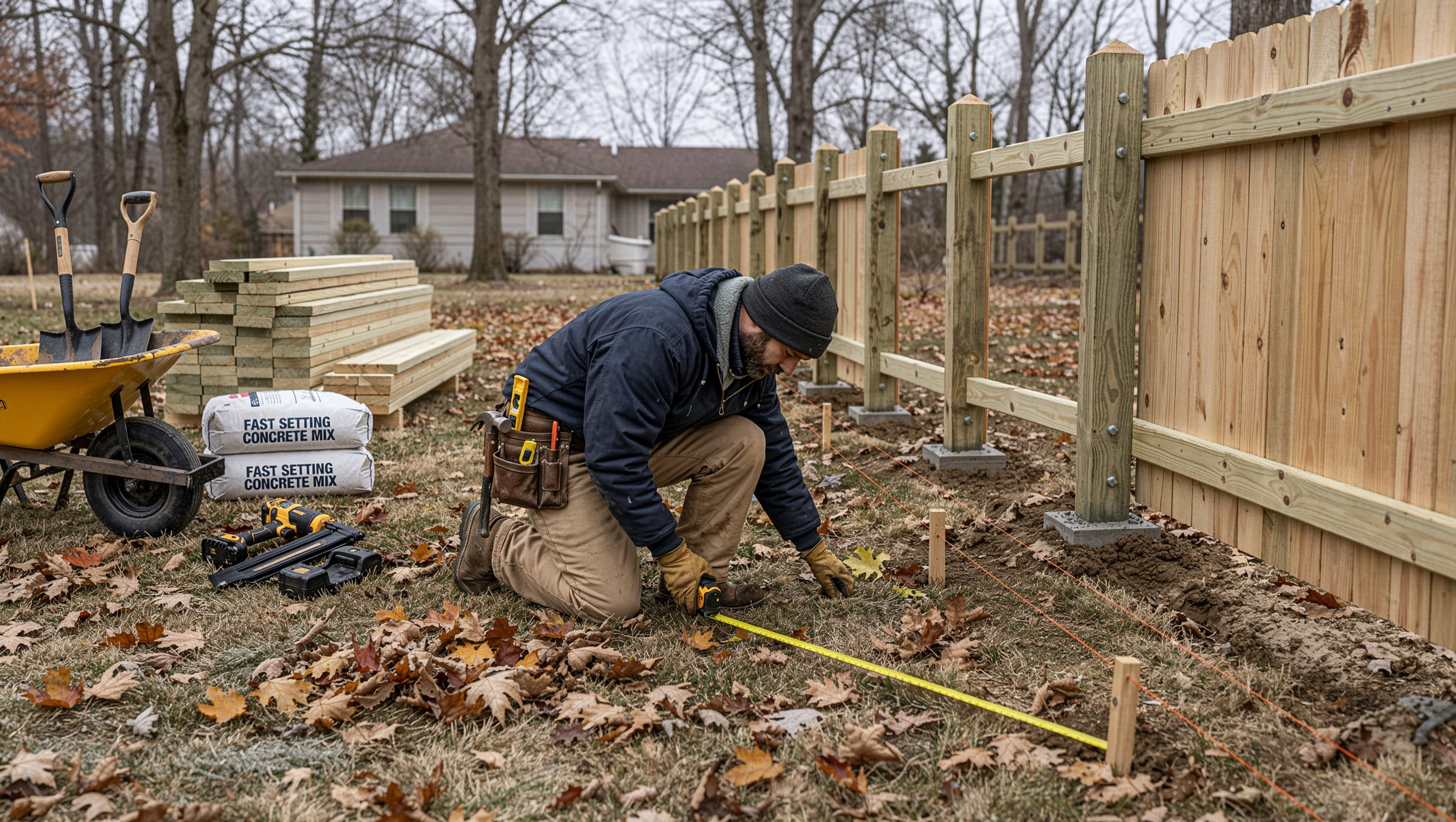
Backyard fence cost in Davis Junction can vary based on material, total footage, fence height, gate design, slopes, drainage, site access, and whether an old fence needs to be removed. Late-fall projects also depend on ground conditions and how prepared the property is before colder weather arrives. A detailed estimate should reflect the actual yard and project scope rather than a simple price-per-foot assumption.
Start With the Amount of Fence You Actually Need
The size of the project is one of the biggest cost factors.
A homeowner fencing the entire backyard will usually need more:
Posts
Panels or boards
Rails
Hardware
Labor
than someone adding only a privacy section or pet enclosure.
Before requesting an estimate, decide whether the project needs to cover the entire perimeter or only specific areas.
A more focused layout may accomplish the same goal with less material.
Material Choice Changes the Project Scope
Different fence materials come with different installation and maintenance considerations.
Wood
Wood is a flexible option for privacy and backyard enclosure.
Possible styles include:
Solid vertical
Board-on-board
Shadowbox
Horizontal layouts
More detailed designs may require additional material and framing.
Wood also typically needs more routine maintenance over time.
Vinyl
Vinyl can provide full or partial privacy with less routine surface maintenance than wood.
Full-privacy panels generally use more material than semi-private or picket styles.
Vinyl does not require routine staining or sealing, but gates, posts, rails, and hardware still need periodic inspection.
Chain Link
Chain link can be practical for:
Dog yards
Larger properties
Long boundaries
Open visibility
Height, coating, gates, and privacy additions can all change the project scope.
Aluminum
Aluminum provides an open, decorative look and can work well around landscaping or areas where maintaining visibility is important.
Fence Height Can Affect Material Use
Height is another important factor.
A taller fence generally requires more material than a lower one.
Homeowners may choose additional height for:
Privacy
Pet containment
Screening around outdoor living areas
Taller solid fencing can also catch more wind.
Applicable local requirements should be reviewed before the final height and placement are selected.
Gate Design Can Make a Noticeable Difference
A gate involves more than simply leaving an opening in the fence.
It typically requires:
Strong support posts
Hinges
Latch hardware
Framing
Additional installation work
A project with several gates may have a different cost structure than one with a single walk gate.
Planning gate locations carefully can help avoid unnecessary openings.
Wide Gates Need Additional Support
Equipment access can change the gate design.
If you need room for a:
Riding mower
Trailer
Garden cart
Landscaping machine
measure it before deciding on gate width.
Wide gates usually require stronger support than standard walk gates.
It is better to plan the correct opening from the beginning than to modify the fence later.
Yard Shape Can Add Complexity
A simple, straight fence line is generally easier to install than a layout with many corners or obstacles.
Project complexity may increase around:
Patios
Sheds
Trees
Gardens
Narrow side yards
Retaining walls
Each direction change can affect post placement and material needs.
A clean layout can help keep the project practical.
Slopes Can Affect Installation
A changing grade can influence both the look and the installation approach.
Depending on the fence system, sections may need to be:
Stepped
Installed to follow the grade more closely
Slopes can also affect:
Bottom gaps
Gate clearance
Pet containment
Panel alignment
These conditions should be reviewed before the final estimate is prepared.
Late-Fall Drainage Problems Can Affect the Scope
Rainy fall weather can make drainage issues easier to identify.
Walk the proposed fence line and look for:
Standing water
Soft soil
Erosion
Washout
Downspout runoff
Posts need stable ground.
If part of the yard remains wet or unstable, additional preparation may be needed before installation.
Ground Conditions Matter More as Winter Approaches
Late-fall installation depends heavily on the condition of the soil.
A project may become more difficult if the ground is:
Saturated
Very muddy
Frozen
Covered with significant snow
Cool temperatures alone do not determine whether installation can move forward.
The actual property conditions matter more.
Leaf Buildup Can Hide Important Details
Late fall often means heavy leaves along fence lines.
Those leaves can hide:
Old footings
Low spots
Erosion
Roots
Uneven soil
Clearing the area before an estimate can help reveal the true site conditions.
This can make the project scope easier to define.
Existing Fence Removal Adds Work
If the new fence replaces an older one, removal can affect the total project.
Old fencing may include:
Boards or panels
Posts
Gates
Hardware
Concrete footings
Ask whether hauling and disposal are included.
A lower estimate may not include removal work, so compare the complete scope rather than only the final number.
Old Footings Can Complicate New Post Placement
Existing concrete may not line up with the new fence design.
Old footings sometimes need to be removed before new posts can be installed.
Once the previous fence comes out, other issues may also appear, including:
Roots
Erosion
Soft soil
Drainage problems
Replacement projects can therefore involve more preparation than fencing an open property.
Backyard Access Can Affect Labor
Fence materials need to reach the installation area.
Access may be limited by:
Narrow side yards
Existing gates
Steps
Sheds
Landscaping
Restricted access can require more manual handling.
Clearing a practical route beforehand can make the project easier to manage.
Landscaping Can Influence the Fence Line
Trees, shrubs, and garden beds may affect post placement.
Potential challenges include:
Large roots
Dense shrubs
Vines
Landscaping directly along the boundary
Sometimes adjusting the fence line slightly is more practical than disturbing established landscaping.
Privacy Fencing Usually Requires More Material
Solid privacy fencing generally uses more material than open designs.
This applies especially to:
Solid wood
Board-on-board wood
Full-privacy vinyl
Solid fencing also has greater wind exposure.
Long runs, corners, end posts, and gate areas deserve careful planning.
Pet Needs Can Affect the Design
Dog owners may need extra attention to:
Fence height
Bottom gaps
Secure latches
Gate placement
Privacy from outside activity
A reactive dog may benefit from solid fencing.
Another dog may do well with chain link or aluminum.
The pet’s behavior can influence both the material and the layout.
Mixed Materials Can Change the Budget
A backyard does not have to use the same fence everywhere.
A Davis Junction property might use:
Vinyl near a patio
Wood along a neighboring side
Chain link around a pet area
Aluminum near landscaping
A mixed-material design can balance privacy, appearance, maintenance, and overall project scope.
Late-Fall Preparation Can Prevent Avoidable Delays
As the season gets colder, it helps to have key decisions settled.
Before installation, confirm:
Material
Height
Fence line
Gate locations
Gate widths
Removal work
Yard access
Last-minute changes can complicate scheduling when weather windows are already shorter.
Winter Access Should Be Part of Gate Planning
Think about where snow is normally:
Shoveled
Blown
Stored
A frequently used gate should not be located where it is likely to be blocked by snow piles.
This may not dramatically change the project cost, but it can make the fence much more functional after installation.
Compare Estimates on the Same Scope
Two fence estimates may differ because they include different work.
Compare details such as:
Material
Height
Total footage
Gate quantity
Gate width
Removal
Site preparation
Cleanup
Disposal
A lower total does not always mean the same project is being offered for less.
Consider Long-Term Maintenance Too
Initial installation is only part of the overall investment.
Wood generally needs more routine surface care.
Vinyl, aluminum, and chain link usually require less refinishing, but all fence systems still benefit from periodic checks of:
Posts
Gates
Hardware
Connections
Choosing a material that matches your maintenance preferences can make the fence easier to live with long term.
What Should Be Clear Before You Approve the Project?
A detailed backyard fence estimate should make the main project details understandable.
Before moving forward, know:
What material and style are included
Approximate fence length
Fence height
Number and type of gates
Removal responsibilities
Site preparation
Cleanup expectations
Clear scope makes it easier to understand where the budget is going.
Request a Free Backyard Fence Estimate
Arrow Fence helps Davis Junction homeowners plan backyard fencing around privacy, pets, gates, drainage, slopes, access, and seasonal conditions.
Whether you are considering wood, vinyl, chain link, aluminum, replacement, or a mixed-material layout, Arrow Fence can help you review practical options for your property.
Contact Arrow Fence at arrowfencerockford.com to request a free estimate for your backyard fence project.
