
Backyard Fence Ideas in Albany, WI for Open Yards
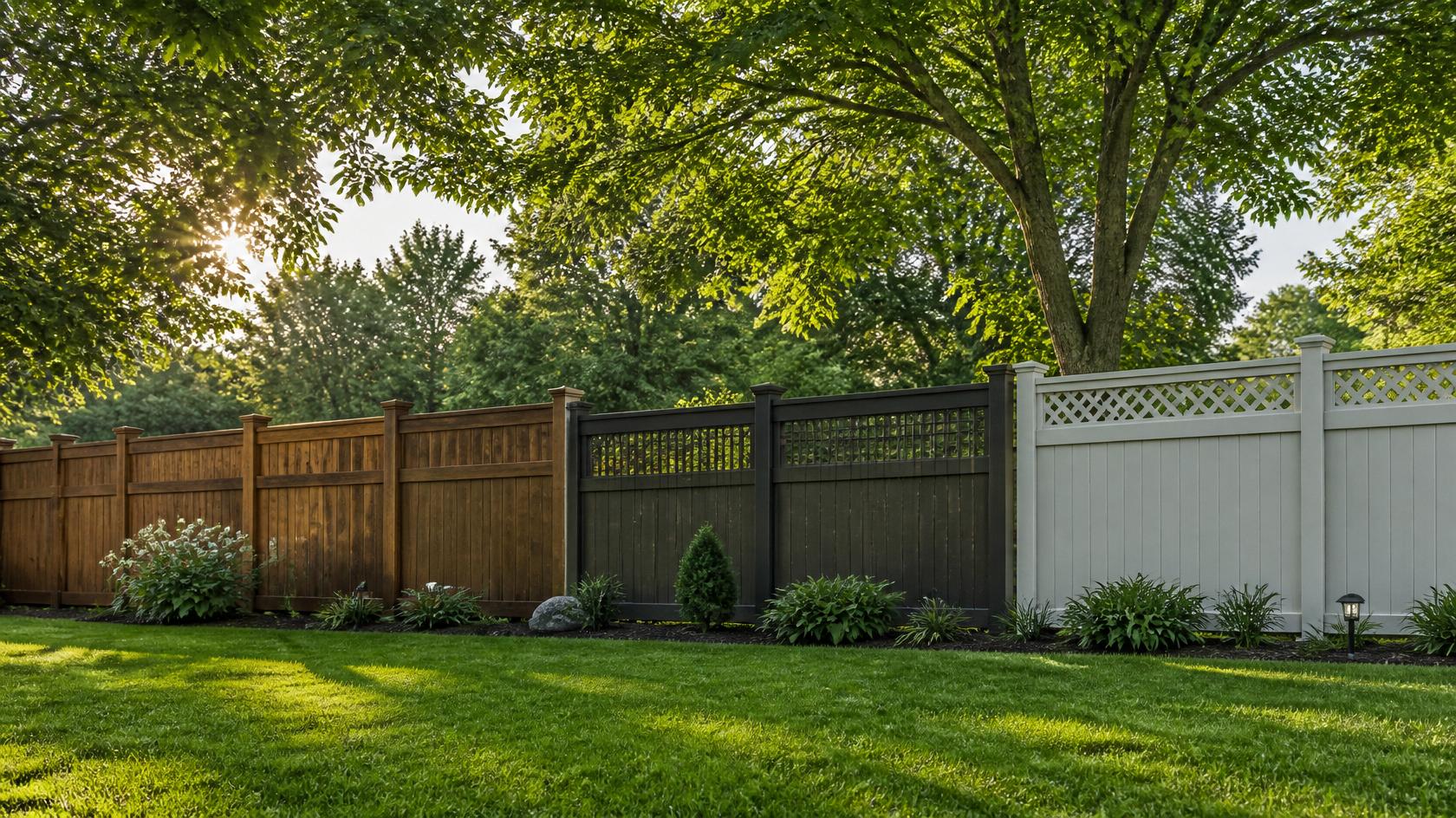
Open yards in Albany can benefit from fencing that defines the property without unnecessarily blocking views. Wood, vinyl, chain link, aluminum, and mixed-material layouts can all work well depending on privacy needs, pets, landscaping, maintenance preferences, and how much of the yard homeowners want to keep visually open.
Start With How You Use the Yard
An open backyard can feel spacious and flexible, but it may also lack clear boundaries.
Before choosing a fence, think about what the yard needs most.
Homeowners may want fencing to:
Keep dogs contained
Define property lines
Add privacy near the house
Protect gardens
Create safer play areas
Separate neighboring yards
Improve curb appeal
Control access with gates
Open properties often benefit from a more flexible fence plan instead of one tall privacy fence around every boundary.
Use Privacy Fencing Near the House
Homeowners do not always need full screening across the entire yard.
Privacy fencing can be concentrated around areas where people spend the most time.
Useful locations include:
Patios
Decks
Hot tubs
Fire pits
Outdoor kitchens
Seating areas
Wood or vinyl panels can create a more comfortable space near the home while preserving views across the rest of the property.
This targeted approach can also reduce the amount of solid fencing that requires maintenance.
Wood Fencing for a Natural Look
Wood works well on open yards because it blends naturally with grass, trees, gardens, and landscaping.
It can be used for:
Full-privacy sections
Pet enclosures
Side-yard screening
Decorative boundaries
Patio privacy
Homeowners can also choose different stains, heights, and board patterns.
Wood can create a warmer appearance than some other materials, especially on properties with mature landscaping or a more rural setting.
The main consideration is maintenance. Wood should be checked periodically for loose boards, rot, cracking, splinters, and worn finishes.
Board-on-Board Wood for Strong Privacy
Board-on-board fencing uses overlapping boards to create stronger screening.
The overlap helps reduce visible gaps as wood naturally expands and contracts.
This style can work well near:
Neighboring patios
Road-facing sections
Pet areas
Outdoor living spaces
On a large open yard, homeowners may choose board-on-board fencing only where full privacy is needed instead of using it around the entire property.
Shadowbox Fencing for More Airflow
Shadowbox fencing can be a good option when homeowners want partial privacy without fully blocking air movement.
Boards alternate on opposite sides of the rails, which allows more airflow than a solid wood fence.
It can work well along:
Shared boundaries
Garden areas
Larger open sections
Wind-exposed portions of the property
The tradeoff is that shadowbox fencing does not provide complete privacy from every angle.
Vinyl for Low-Maintenance Privacy
Vinyl can be a practical choice for Albany homeowners who want privacy with less routine refinishing.
It does not require regular staining, painting, or sealing.
Full-privacy vinyl works well around:
Patios
Decks
Pet areas
Neighboring properties
Side yards
Vinyl also provides consistent screening without natural gaps between boards.
Routine maintenance generally involves occasional cleaning and checking posts, gates, rails, and hardware.
Semi-Private Vinyl for Open Yards
Semi-private vinyl can be useful when homeowners want separation without making the property feel closed in.
Small openings allow more light and air through the fence.
This style may work well around:
Garden areas
Side yards
Larger backyards
Wind-exposed sections
It can provide a cleaner boundary while preserving some openness.
Households with small dogs should make sure any openings are narrow enough for safe containment.
Chain Link for Larger Boundaries
Chain link is practical for open yards because it can define a large area without blocking views.
It can work well for:
Dogs
Long property lines
Side-yard enclosures
Garden protection
Larger backyards
Black vinyl-coated chain link can blend more subtly into landscaping than standard galvanized fencing.
Because it remains visually open, it can help preserve the spacious feel of the property.
The main limitation is privacy.
For areas near patios or neighbors, homeowners may want to combine chain link with another material.
Aluminum for Open Views
Aluminum fencing can provide a more decorative boundary while keeping the yard visually open.
It may work well near:
Landscaping
Gardens
Patios
Walkways
Pool areas
Aluminum is also relatively low maintenance and resists rust.
For pet owners, picket spacing and ground clearance should be reviewed carefully.
Small dogs may be able to fit through wider openings.
Mix Fence Materials Across the Property
Open yards are especially well suited to mixed-material fence layouts.
For example:
Use vinyl privacy fencing near the patio.
Install wood along a neighboring property line.
Use chain link around a dog area.
Add aluminum near landscaping or the front of the property.
This allows homeowners to choose each fence section based on its purpose.
It can also help balance privacy, appearance, maintenance, and overall project cost.
Create a Dedicated Pet Area
Homeowners with a large open yard may not need to fence the entire property for pets.
A dedicated pet enclosure closer to the home can provide:
Easier supervision
More convenient access
Less fence to maintain
Separation from gardens
A defined outdoor area for dogs
Wood, vinyl, and chain link can all work depending on the dog and the amount of privacy needed.
Choose the Right Fence for Dogs
Pet behavior should influence fence style.
Consider whether the dog:
Jumps
Digs
Climbs
Chases wildlife
Reacts to people or animals outside
Pushes against gates
Solid wood or vinyl may work better for reactive dogs because they block outside views.
Chain link can be a strong choice for calmer dogs that do not need visual screening.
Regardless of material, pay attention to fence height, ground gaps, gate security, and stable posts.
Plan Wide Gates for Open Properties
Larger yards often require wider access.
Homeowners may need gates for:
Riding mowers
Trailers
Landscaping equipment
Utility vehicles
Construction materials
Future sheds or outdoor projects
Measure the widest equipment before choosing the gate opening.
Wide gates need strong posts and dependable hardware to stay aligned.
Planning access before installation is much easier than modifying the fence later.
Keep Driveway Sightlines Clear
Privacy fencing should be placed carefully near driveways and road entrances.
Tall solid panels can block views of approaching vehicles, bicycles, or pedestrians if they are too close to the entrance.
More open fencing may work better near:
Driveways
Front corners
Road-facing areas
Before installation, homeowners should also review property boundaries, underground utilities, easements, and applicable local requirements.
Use Fencing to Protect Gardens
Open yards often provide plenty of room for vegetable gardens, flower beds, or landscaping.
Fencing can help separate these areas from:
Dogs
Wildlife
Children’s play areas
Yard equipment
Lower picket fencing, chain link, or decorative aluminum may be enough for some garden spaces.
If wildlife pressure is a concern, the fence design should be selected with the specific animals and garden layout in mind.
Plan Around Slopes
Changes in elevation can affect how fencing looks across an open property.
Depending on the material, fence sections may be:
Stepped
Installed to follow the grade more closely
The goal is to maintain a consistent appearance while avoiding unnecessary gaps.
Pet owners should pay particular attention to low points where dogs may be able to escape underneath.
Keep Natural Drainage Working
Open yards may carry significant runoff during heavy rain or spring snowmelt.
Fence placement should avoid unnecessarily blocking natural drainage.
Water movement can:
Erode soil around posts
Create gaps beneath fencing
Affect gate alignment
Expose footings
Low areas should be inspected after storms.
Drainage problems should be considered before installation instead of addressed only after soil begins to wash away.
Make Mowing and Yard Care Easier
A fence should work with lawn maintenance.
Plan enough clearance around:
Fence corners
Gates
Landscaping
Trees
Garden beds
Avoid creating narrow strips that are difficult to mow or trim.
Keep shrubs and branches far enough from the fence to allow inspection and maintenance.
Thoughtful placement can make a large yard easier to manage.
Compare Fence Materials for Open Yards
Wood
Best for natural appearance, targeted privacy, and pet containment.
Vinyl
Best for homeowners who want privacy with lower routine maintenance.
Chain Link
Best for larger boundaries, dog areas, and maintaining open views.
Aluminum
Best for decorative boundaries and landscaped areas where visibility is important.
Mixed Materials
Best for open properties that need different levels of privacy and containment in different areas.
Prepare Fencing for Albany Weather
Fencing in Albany needs to handle Wisconsin wind, rain, snow, ice, storms, and repeated freeze-thaw cycles.
Open properties may expose fence sections to stronger wind.
Homeowners should periodically:
Check posts after storms
Test gates and latches
Inspect rails and panels
Check chain link tension
Watch for erosion
Trim nearby branches
Clear heavy snow carefully
Maintain wood finishes as needed
Seasonal inspections can help identify small problems before they affect larger sections.
Repair Small Problems Early
Fence problems may start with one loose board, leaning post, or misaligned gate.
Watch for:
Broken boards
Cracked vinyl
Bent mesh
Loose rails
Damaged latches
Ground gaps
Unstable posts
Minor damage can often be repaired individually.
Replacement may be more practical when several sections are failing or the existing layout no longer works for how the property is used.
Request a Free Backyard Fence Estimate
Arrow Fence helps Albany homeowners plan fencing for open yards, pets, privacy, landscaping, and practical property access.
Whether you are considering wood, vinyl, chain link, aluminum, mixed-material fencing, fence repair, replacement, or wider gates, Arrow Fence can help you compare practical options for your property.
Contact Arrow Fence at arrowfencerockford.com to request a free estimate for your backyard fence project.
