
Backyard Fence Ideas in Roscoe, IL: Privacy, Pets & Curb Appeal
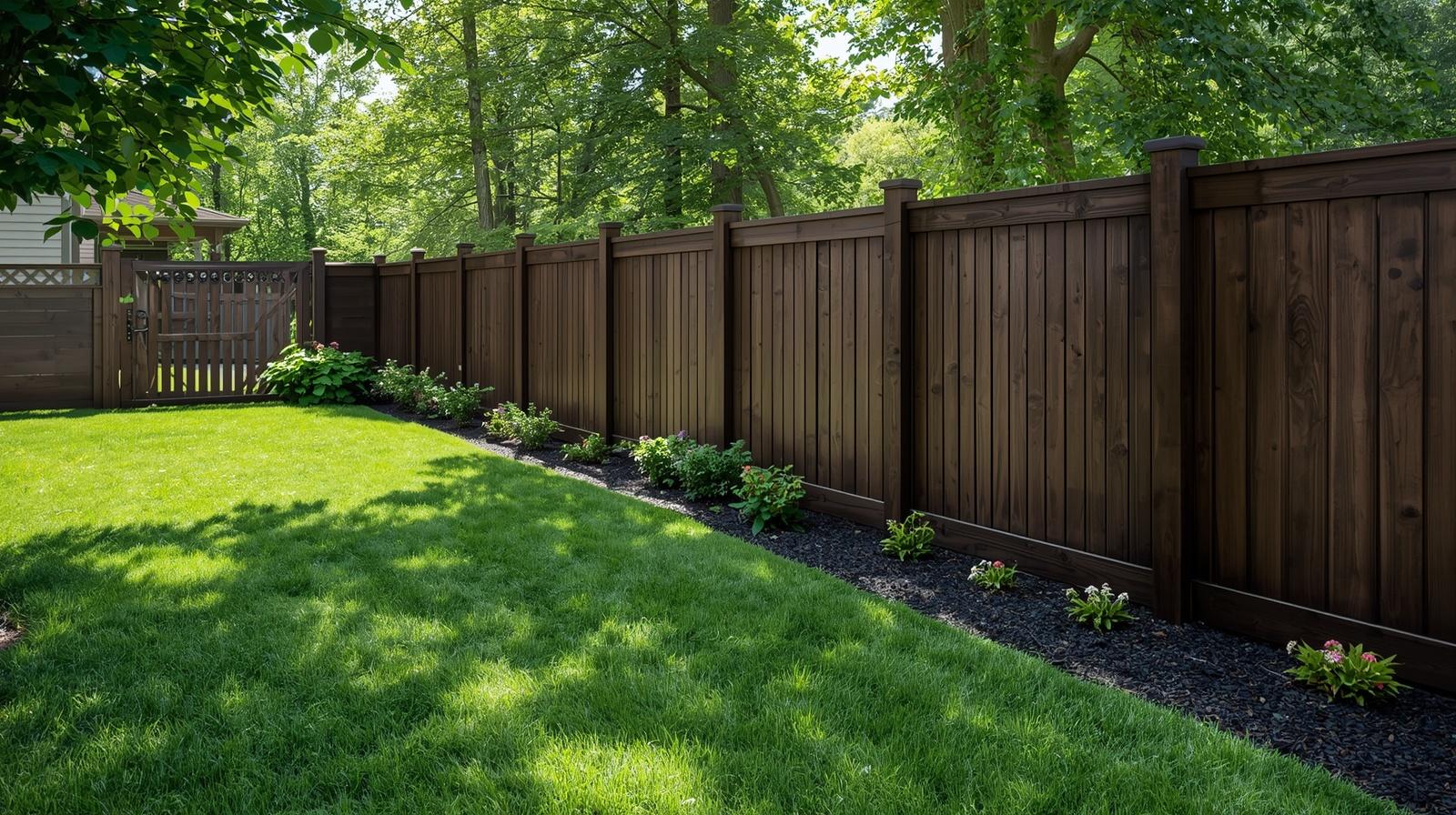
Your backyard fence does more than mark a boundary — it shapes how you use your outdoor space every single day. Whether you're after privacy, a safe yard for your dog, a better-looking property, or all three, this guide gives Roscoe homeowners practical ideas for getting the most out of their next fence project.
Your Backyard, Your Rules
Roscoe is the kind of community where people actually use their backyards. Weekend cookouts, kids playing after school, dogs running laps around the lawn, quiet evenings on the patio — the backyard is an extension of your home, and a well-planned fence is what makes it feel like your own.
The challenge is that most homeowners are juggling more than one goal at once. You want privacy, but you also want it to look good. You want to keep the dog in, but you don't want the yard to feel like a cage. You want curb appeal, but the front yard and the backyard call for different approaches.
This guide breaks it all down — practical fence ideas organized around the goals that matter most to Roscoe homeowners.
Backyard Privacy: Creating a Space That Feels Like Yours
Privacy is the number one reason homeowners install a backyard fence. And done right, it transforms how much you actually enjoy your outdoor space. A yard with genuine privacy is one you'll use more — because you're not constantly aware of neighbors, passersby, or the street.
Full-Panel Privacy Fencing
The most effective privacy solution is a full-panel fence with no gaps between boards. Six feet is the standard height for residential privacy fencing and works well for most yards. If your property sits on a slope, borders a raised deck, or backs up to a two-story neighbor, taller options are worth considering.
Wood privacy fencing has a warm, natural look that fits the residential character of Roscoe neighborhoods well. Board-on-board or tongue-and-groove construction eliminates the narrow gaps that show up in basic board styles. The trade-off is maintenance — wood needs to be sealed or stained periodically to hold up through Illinois winters and humid summers.
Vinyl privacy fencing delivers the same solid, enclosed feel with far less upkeep. No painting, no staining, no rotted boards to replace. It handles the freeze-thaw cycles common in northern Illinois without warping or absorbing moisture. For homeowners who want a clean, finished look that stays that way without annual maintenance, vinyl is hard to beat.
Strategic Placement for Maximum Privacy
Where you place your fence matters as much as what it's made of. A few things to think through:
Fence line vs. property line. Setting the fence a few inches inside your property line avoids disputes and gives you room to maintain both sides — but you lose a bit of yard space. Confirm your boundaries before installation.
Grade changes. Roscoe yards aren't always flat. On sloped terrain, fences are typically installed in a step pattern (following the grade in sections) or racked continuously to follow the slope. Each approach has a different look — discuss with your installer which works best for your specific yard.
Existing trees and structures. Large trees near the fence line can be a problem as roots expand over time. A good installer will flag potential issues during the site visit.
Combining Privacy With Airflow
Full-panel fences are the most private, but they also catch the most wind — and in Roscoe, spring and summer storms can put real pressure on solid fence sections. Semi-privacy styles, which use panels with small evenly spaced gaps, offer substantial screening while reducing wind load significantly. They're a smart option for exposed yards or properties on corner lots.
Pet-Friendly Backyard Fencing: Keeping Your Dog Safe and Happy
For dog owners, a fenced backyard isn't a luxury — it's a necessity. It gives your pet safe, independent access to outdoor space and gives you the peace of mind that comes with knowing they can't bolt into traffic or wander into a neighbor's yard.
But not every fence does the job equally well. Here's what actually matters for a pet-friendly fence.
Height
Most medium to large dogs need at least a 5- to 6-foot fence. Athletic breeds — labs, huskies, German shepherds, and similar dogs — are capable jumpers, and a 4-foot fence that would contain most dogs is an easy leap for them. If you have a known jumper, a 6-foot fence is the floor, and some owners opt for taller options or an angled coyote-roller attachment at the top.
Small dogs can typically be contained with a shorter fence, but gap spacing at the bottom becomes more important — a 6-inch gap that poses no issue for a lab is an open door for a terrier.
Bottom Gap Management
This is one of the most overlooked details in pet fencing. Fence panels that sit an inch or two off the ground are fine for keeping most dogs in, but determined small breeds will test every gap they find. On flat terrain, panels can sit close to grade. On sloped yards, the step pattern used on hillside installations creates natural gaps at the low points that need to be addressed — with additional boards, gravel, or buried fence extensions.
Diggers and Escape Artists
Some dogs will dig under a fence given the chance. Options for persistent diggers include:
Burying a portion of the fence panel or a hardware cloth apron below grade
Running a gravel border along the inside fence line as a deterrent
L-footer extensions that run horizontally underground at the base of the fence
It's worth mentioning this upfront when you talk to your fence installer, because the approach affects how the fence is designed and installed from the start.
Gate Hardware for Pet Safety
A gate that swings open on its own — or that a clever dog can nose open — defeats the whole purpose. Self-latching gate hardware is essential for pet owners, and a locking latch adds an extra layer of security. Spring-loaded hinges that pull the gate closed automatically are a worthwhile addition if you have family members or guests who may not reliably close the gate behind them.
Best Materials for Pet Fencing in Roscoe
Vinyl privacy fencing — No splinters, smooth surfaces, solid panel construction, and low maintenance. A top choice for families with dogs.
Chain link — Extremely durable, cost-effective for larger yards, and nearly impossible for most dogs to damage. Can be paired with privacy slats if you want more screening.
Wood privacy fencing — Works well but requires more inspection over time. Boards that rot at the base or loosen from rails can create gaps that weren't there during installation.
Aluminum ornamental — Good for boundary definition but not ideal for dogs who are determined to get out — the vertical pickets provide footholds for climbers and gaps for smaller breeds.
Curb Appeal: Fencing That Makes Your Property Look Its Best
A backyard fence affects how your entire property looks — from the street, from neighboring yards, and from inside the house looking out. The right fence style enhances your landscaping, complements your home's exterior, and adds that finished, intentional quality that sets well-maintained properties apart.
Front Yard vs. Backyard: Two Different Jobs
The front yard is about aesthetics and definition. Most front yard fences are 3 to 4 feet tall, open in design, and meant to frame the property rather than enclose it. Classic picket fencing — in white vinyl or painted wood — works beautifully with traditional home styles. Aluminum ornamental fencing adds a more formal, polished look that works well with brick or craftsman-style homes. Split-rail fencing suits properties with a more natural or rural feel.
The backyard is where function takes priority. But that doesn't mean it has to look like an afterthought. A well-built privacy fence with clean lines, consistent board spacing, and a properly hung gate looks intentional and adds genuine value to your home.
Material Choices and Visual Impact
White vinyl is the most universally clean-looking option. It photographs well, holds its color, and complements almost every exterior palette.
Wood with a natural stain adds warmth and texture. A cedar fence with a rich stain tone can be genuinely beautiful and adds a handcrafted quality that vinyl doesn't replicate exactly.
Aluminum ornamental is the most formal option. It works especially well as a front yard accent or along a driveway, and it holds its appearance for decades without peeling or rusting.
Horizontal board fencing is a more modern style that's grown in popularity. Instead of traditional vertical boards, the planks run horizontally — giving the fence a cleaner, more contemporary look that pairs well with modern home designs.
Adding Gates That Look as Good as They Function
A gate is the focal point of any fence. A well-designed gate — properly hung, matched to the fence style, and built with the right hardware — is one of those details that elevates the entire installation. A mismatched, sagging, or poorly hung gate does the opposite.
For front yard applications, consider a wider, decorative gate with arched framing or a lattice top detail. For backyard access, a clean-lined privacy gate that matches the fence panels exactly looks the most finished. Double gates create a bold visual statement at a driveway or main backyard entrance and are especially useful for moving lawn equipment or hosting large gatherings.
Combining All Three: Privacy, Pets, and Curb Appeal
Many Roscoe homeowners want all three — and the good news is that the right fence design can deliver on all of them at once.
A common approach that works well:
Backyard: 6-foot vinyl privacy fence with self-latching gate — fully enclosed, low maintenance, pet-safe, and visually clean.
Side yards: Matching vinyl or wood panels transitioning from back to front, with a walk-through gate for side access.
Front yard: Lower decorative fence — picket, ornamental aluminum, or open-style vinyl — that frames the property and complements the landscaping.
This layered approach uses different styles and heights where they make the most sense, rather than running one uniform fence style around the entire property.
Planning Your Backyard Fence Project: A Few Practical Notes
Before installation day, a few things are worth confirming:
Property lines. Know where your lot ends before your fence goes in. A survey or a review of your property plat can prevent headaches down the road.
HOA guidelines. If your neighborhood has a homeowner's association, check the rules on fence height, materials, and setbacks before committing to a style.
Utility lines. Call 811 before any digging begins — it's required by law in Illinois and ensures post holes are dug safely away from underground utilities.
Neighbor communication. If your fence runs along a shared property line, a quick conversation with your neighbor before installation day is always a good idea.
Permit requirements. Some municipalities require permits for residential fencing. A knowledgeable local fence company will help you navigate this as part of the process.
Let Arrow Fence Help You Design the Right Backyard Fence
At Arrow Fence, we work with homeowners throughout Roscoe, Rockford, Rockton, Machesney Park, Loves Park, and across northern Illinois and southern Wisconsin. Whether you're building a fully enclosed pet yard, upgrading your privacy setup, or adding a front yard fence that makes your home stand out, we'll help you figure out the right combination of materials, styles, and gate placement for your specific yard.
We know how northern Illinois winters treat outdoor installations, and every fence we build is designed to stay straight, stay strong, and keep looking great through all of them.
Visit arrowfencerockford.com or call us today to schedule a free estimate. No pressure, no guesswork — just honest advice and quality work from a local fence company that knows this area.
