
Backyard Fence Ideas in Sycamore, IL for Families & Pets
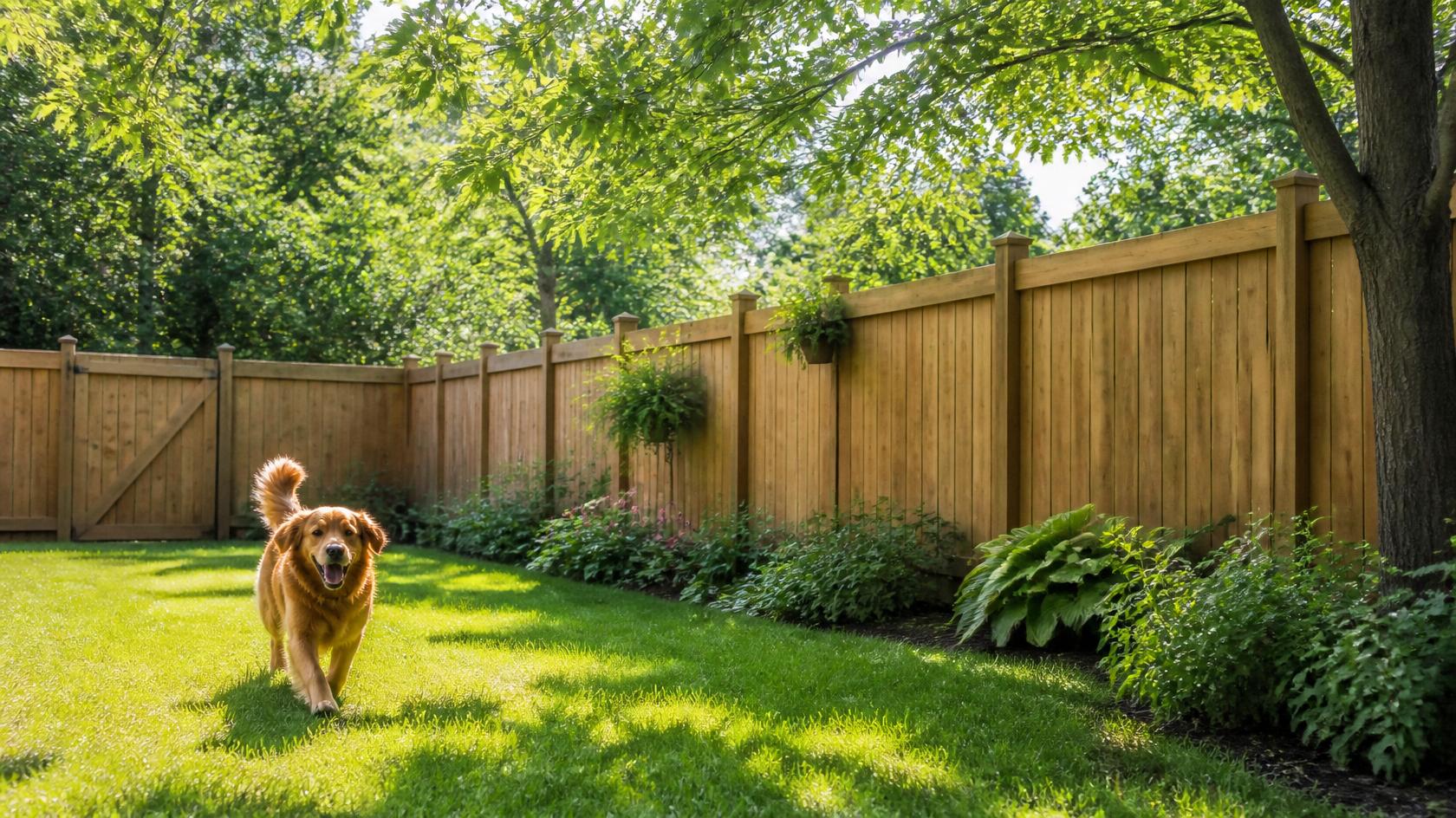
A well-planned backyard fence can make a Sycamore home safer, more private, and easier to enjoy with children and pets. Wood, vinyl, chain link, aluminum, and ornamental fencing each offer different benefits, so the best option depends on your yard layout, maintenance preferences, pet behavior, and long-term plans.
Why Backyard Fencing Matters for Sycamore Families
A backyard fence does more than define a property line. For many families, it creates a safer place for children to play, gives pets room to move, adds privacy from nearby homes, and makes the yard feel more complete.
In Sycamore, suburban homes often have patios, decks, playsets, gardens, and open lawns that benefit from a clear boundary. A fence can help separate these areas from driveways, sidewalks, neighboring properties, or nearby roads.
The right design should support everyday use without creating unnecessary maintenance or making the yard feel too closed in.
Full-Privacy Wood Fencing
Wood privacy fencing is a classic choice for families who want a warm, natural appearance with strong visual screening.
Solid vertical boards can reduce outside distractions for dogs, create a more private patio, and help children play without feeling exposed to neighboring yards.
Common wood fence styles include:
Solid-board privacy fencing
Board-on-board fencing
Shadowbox fencing
Horizontal wood fencing
Lattice-top panels
Decorative post-and-cap designs
Board-on-board fencing is especially useful when homeowners want dependable privacy. The overlapping boards reduce visible gaps as the wood expands and contracts through changing seasons.
Wood is highly customizable, but it needs regular staining, sealing, and inspections for rot, warping, or storm damage.
Low-Maintenance Vinyl Fencing
Vinyl fencing is a practical option for busy families who want privacy without ongoing painting or staining.
Solid vinyl panels create a clean backyard enclosure and can work well around patios, play areas, pet spaces, and pools. Vinyl is smooth, does not splinter, and is easy to wash.
Popular styles include:
Full-privacy panels
Semi-privacy panels
Lattice-top fencing
Decorative picket fencing
Scalloped or arched panels
Wood-look vinyl
Vinyl usually requires less maintenance than wood, but strong installation is important. Solid panels catch wind, so posts, footings, and rails must be properly secured for northern Illinois weather.
Chain Link Fencing for Active Pets
Chain link fencing is durable, affordable, and effective for pet containment. It is often a good fit for larger yards, side yards, dog runs, and families who want to preserve visibility.
Black vinyl-coated chain link offers a cleaner appearance and blends more easily with landscaping than standard galvanized fencing.
Chain link is useful for:
Large or energetic dogs
Dedicated pet areas
Wide backyard boundaries
Utility sections
Budget-conscious projects
Homes that do not need full privacy
Privacy slats or screens can be added, although they increase wind resistance. The framework must be strong enough to support the additional pressure during storms.
Aluminum and Ornamental Fencing
Aluminum and ornamental fencing can create a polished, open backyard boundary. These styles work well when homeowners want safety and curb appeal without blocking views.
They are commonly used around:
Gardens
Pools
Patios
Decorative landscaping
Front-to-back yard transitions
Open lawns
Aluminum requires little routine maintenance and is resistant to rust. Ornamental fencing can provide a traditional or upscale appearance.
Because these fences use open pickets, spacing is important for small pets. They may not be the best choice for dogs that react strongly to passing people or animals.
Best Fence Styles for Dogs
The right dog fence depends on size, energy level, jumping ability, digging habits, and reaction to outside movement.
For Small Dogs
Small dogs need narrow picket spacing and minimal gaps below the fence. Openings near gates, posts, and the house should be checked carefully.
Vinyl privacy fencing, solid wood, or small-mesh chain link can work well.
For Large or Energetic Dogs
Large dogs may need taller fencing, reinforced gates, strong posts, and durable lower sections.
Wood, vinyl, and chain link are common options, but installation quality matters more than appearance alone.
For Dogs That Dig
Dig barriers, buried wire, reinforced lower rails, or landscaping along the fence line may help discourage digging.
The ground should also be checked regularly for erosion or new escape points.
For Reactive Dogs
Solid wood or vinyl panels can reduce visual triggers from pedestrians, animals, vehicles, or neighboring yards.
A quieter visual environment may make the backyard easier for the pet and family to enjoy.
Fence Ideas for Families With Children
A family-friendly fence should create a clear, secure boundary while remaining easy for adults to access.
Helpful features include:
Reliable gate latches
Smooth surfaces
Minimal gaps
Stable posts
Rounded or protected hardware
Gates positioned away from driveways
Clear visibility near play areas
For younger children, self-closing gates may add convenience. Latches should be placed where adults can reach them but children cannot easily open them.
The fence should also be inspected regularly. Loose boards, sharp edges, sagging gates, or damaged hardware should be repaired promptly.
Creating Separate Backyard Zones
A fence can help organize a yard into useful spaces instead of simply enclosing the entire property.
Families may create separate areas for:
Children’s play
Dogs
Gardening
Outdoor dining
Storage
Garbage and recycling bins
Pool equipment
Lawn tools
A smaller fenced dog run can protect the rest of the lawn and garden. Decorative fencing can separate a vegetable garden from pets. Privacy panels can be placed around a patio without blocking the entire yard.
This type of layout can make a backyard more functional while controlling project costs.
Choosing the Right Fence Height
Fence height affects privacy, pet containment, appearance, wind resistance, and cost.
A taller fence may be helpful for large dogs or nearby second-story views. A shorter fence may work near gardens, front yards, or areas where an open feeling is preferred.
Before installation, homeowners should confirm:
Local fence requirements
Property boundaries
Utility locations
Easements
Homeowners association rules
Corner and driveway visibility
Pool fencing standards when applicable
Changes in yard elevation should also be considered. A fence that appears tall from one side may be lower from another.
Planning Backyard Gates
Gates should be placed where they support daily routines.
A standard walk gate may be enough between the driveway and backyard. A wider double gate can allow access for riding mowers, trailers, landscaping equipment, or future construction.
Important gate locations may include:
Driveway access
Patio entrances
Sidewalks
Garbage bin areas
Utility meters
Air-conditioning units
Mowing routes
Future sheds or pools
Pet owners should pay special attention to gate gaps and latch strength. Wood gates may sag without proper bracing, while vinyl gates may need reinforced frames and posts.
Backyard Fencing for Small Yards
A tall solid fence can provide privacy in a small yard, but it may also make the area feel more enclosed.
Lighter-colored vinyl can brighten the space. Horizontal wood boards can make the yard appear wider. Semi-privacy fencing can provide airflow while still screening nearby views.
Another option is to use tall fencing only where privacy is needed most, such as beside a patio or along a shared lot line.
Backyard Fencing for Larger Properties
Larger yards may not need the same material throughout the entire boundary.
A mixed-material plan may include:
Wood or vinyl near the patio
Chain link around a pet area
Aluminum near landscaping
Ornamental fencing near a garden
Wider gates near equipment access
Combining materials can improve function and help manage costs without sacrificing appearance.
Comparing Common Fence Materials
Wood
Wood offers strong privacy, natural character, and flexible design. It needs regular staining, sealing, and repairs.
Vinyl
Vinyl provides a clean appearance and low routine maintenance. It is well suited for privacy and family yards but must be installed securely.
Chain Link
Chain link is durable, affordable, and practical for pets. It does not provide full privacy unless screening is added.
Aluminum
Aluminum is decorative, rust-resistant, and low maintenance. It preserves visibility but may not suit reactive pets.
Ornamental Fencing
Ornamental fencing adds style and structure around gardens, patios, and visible areas. It is better for boundaries than privacy.
Preparing for Sycamore Weather
Backyard fencing in Sycamore must handle changing Midwest conditions, including wind, rain, snow, ice, humidity, storm damage, and freeze-thaw cycles.
Repeated freezing and thawing can shift soil around posts. Heavy snow may place pressure on lower panels. Strong winds can loosen hardware or damage solid fencing.
Seasonal maintenance should include:
Checking posts for movement
Inspecting boards and panels
Tightening gate hardware
Removing leaves and mulch from the fence base
Trimming branches
Cleaning vinyl and aluminum
Sealing wood when needed
Inspecting the fence after storms
Clearing heavy snow carefully
Small repairs can prevent larger problems and help keep the yard safe for children and pets.
Repairing Versus Replacing a Backyard Fence
A few loose boards, worn hinges, or a damaged gate may only require repair.
Replacement may be more practical when several posts are leaning, rot affects multiple sections, panels are badly cracked, or the fence has repeated storm damage.
A professional inspection can help determine whether repairs will provide lasting value or whether a new fence would be more reliable.
Planning for Long-Term Value
A backyard fence should match the way the family uses the property today while allowing for future changes.
Consider future pets, play equipment, patios, sheds, gardens, pools, and landscaping before selecting the layout. Wider gate access or separate yard sections may be easier to add during the original installation than later.
A well-designed fence can improve daily convenience, safety, privacy, and curb appeal for years.
Request a Free Backyard Fence Estimate
Arrow Fence helps homeowners in Sycamore and nearby communities plan backyard fencing for families, pets, privacy, safety, and curb appeal.
Whether you are considering wood, vinyl, chain link, aluminum, ornamental fencing, pet enclosures, or new gates, Arrow Fence can help you compare practical options for your property.
Contact Arrow Fence at arrowfencerockford.com to request a free estimate for fence installation, repair, or replacement.
