
Backyard Fence Installation Cost in Dixon, IL: What to Expect
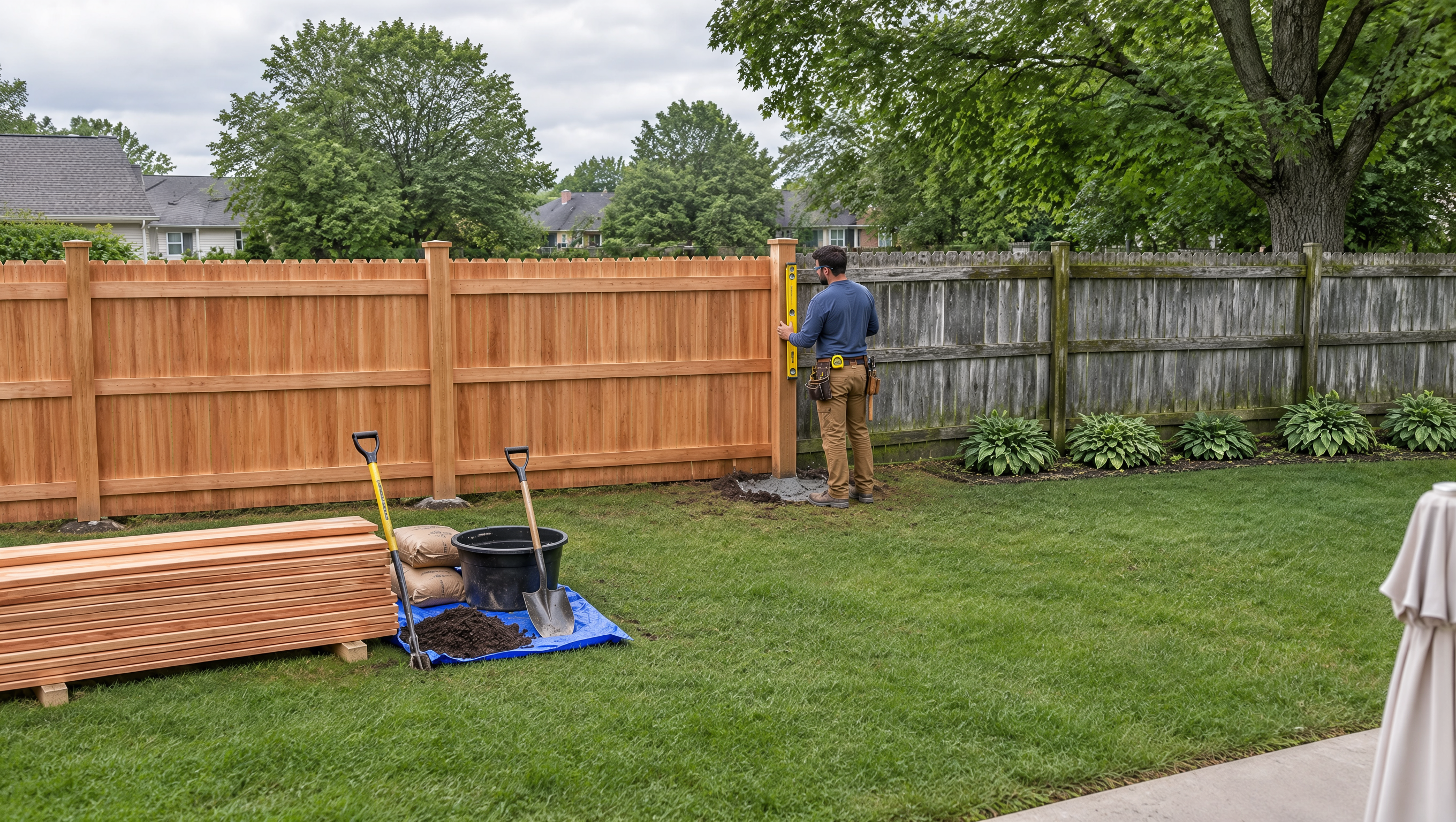
Backyard fence installation cost in Dixon depends on the material, total footage, fence height, gate size, yard layout, slopes, access, drainage, and whether an older fence needs to be removed. Homeowners can get a clearer estimate by defining how the yard will be used and comparing quotes that include the same project scope.
Why Backyard Fence Costs Can Vary
Two Dixon backyards can be similar in size and still require very different fence projects.
One yard may be flat and easy to access, while another may include:
Slopes
Several corners
Trees or landscaping
Narrow side-yard access
Multiple gates
Existing fencing
These details affect both materials and installation work.
That is why a simple price-per-foot comparison does not always tell the full story.
Material Choice Is One of the Biggest Factors
The fence material affects the initial project scope, appearance, privacy, and long-term maintenance.
Wood
Wood is often chosen for privacy and a natural appearance.
Possible styles include:
Solid vertical
Board-on-board
Shadowbox
Horizontal fencing
More detailed privacy styles may require additional material and framing.
Wood also needs more routine maintenance over time than some other options.
Vinyl
Vinyl can provide strong, consistent privacy with less routine surface maintenance.
Cost can vary based on:
Full-privacy panels
Semi-private styles
Height
Gate design
Vinyl does not need regular staining or sealing.
Chain Link
Chain link can be practical for:
Dogs
Larger yards
Long fence runs
Open visibility
Height, coating, gates, and privacy additions can affect the project.
Aluminum
Aluminum offers a more open, decorative appearance.
It can work well where homeowners want to preserve views around landscaping or other areas of the yard.
Total Fence Footage Changes the Budget
Longer fence runs require more:
Posts
Rails
Boards or panels
Hardware
Labor
Before requesting estimates, decide exactly which part of the backyard needs fencing.
You may not need to enclose every side.
For example, a homeowner might need:
Privacy along one boundary
Pet fencing around the backyard
A short section near a patio
A focused layout can prevent unnecessary footage.
Fence Height Affects Material Use
Height is another important cost factor.
A taller fence generally uses more material and may require additional structural planning.
Think about whether the fence is mainly for:
Privacy
Pets
Property definition
Patio screening
Choosing more height than necessary can add cost without providing much additional value.
Applicable local requirements should be reviewed before the final height is selected.
Privacy Fencing Can Require More Material
Solid privacy fencing generally uses more material than open fencing.
This applies especially to:
Solid wood
Board-on-board wood
Full-privacy vinyl
Privacy fencing also creates more wind resistance.
Long exposed runs, corners, and gate posts should have dependable support.
These structural considerations should be part of the estimate.
Gates Can Change the Final Price
Every gate adds extra components and installation work.
A gate typically involves:
Support posts
Hinges
Latches
Framing
Hardware
The number and width of gates should be decided before the estimate is finalized.
A backyard with three gates can cost more than a similar yard with one.
Wider Gates Need Stronger Support
Equipment access can influence gate cost.
A wider opening may be needed for:
Riding mowers
Trailers
Garden carts
Landscaping equipment
Wide gates place more stress on posts and hardware.
Measure equipment first so the opening is large enough without being unnecessarily oversized.
Yard Shape Can Add Complexity
A simple rectangular backyard may be easier to fence than a property with many direction changes.
Additional corners can mean more:
Posts
Layout work
Short fence sections
Transitions
Features such as sheds, patios, and retaining walls can also affect the route.
The fence should be designed around how the yard is actually used rather than following an unnecessarily complicated path.
Sloped Ground Can Affect Installation
Slopes can make installation more involved.
Depending on the fence system, sections may need to be:
Stepped
Installed to follow the grade more closely
Slopes can also affect:
Ground gaps
Gate placement
Pet containment
A contractor should account for these conditions during the estimate rather than treating the yard as perfectly level.
Drainage Problems Can Add Work
Water issues should be identified before installation.
Look for:
Standing water
Erosion
Soft soil
Downspout runoff
Low spots
Poor drainage can contribute to future post movement and gate alignment problems.
If drainage needs correction or special planning, that can affect the project scope.
Existing Fence Removal Can Increase the Cost
If the backyard already has an older fence, replacement involves additional work.
Removal may include:
Boards or panels
Posts
Gates
Hardware
Concrete footings
Ask whether hauling, disposal, and cleanup are included.
A quote that excludes removal can appear lower even though the homeowner still has to deal with the old fence.
Old Concrete Footings Can Add Labor
Some older fences have posts set in substantial concrete bases.
Removing these can take more effort than taking down the fence itself.
The old post locations may also not align with the layout of the new fence.
This can affect both removal and installation work.
Site Access Matters
Crews need to move materials and equipment between the driveway and backyard.
Installation can be more difficult when access includes:
Narrow side yards
Tight gates
Steps
Dense landscaping
Sheds
Restricted access can require more manual handling.
An on-site estimate can help account for these conditions.
Landscaping May Need to Be Adjusted
Trees, shrubs, vines, and garden beds can affect fence placement.
Possible preparation may involve:
Trimming vegetation
Clearing vines
Adjusting the fence line
Working around roots
Large roots can limit post locations.
Discuss landscaping before installation so responsibility for clearing or adjustments is clear.
Pet Needs Can Affect the Design
If the backyard fence is intended for dogs, the project should account for more than height.
Consider:
Ground gaps
Digging
Gate security
Visibility
Slopes
Solid wood or vinyl may help dogs that react strongly to outside activity.
Open chain link or aluminum may work for calmer pets.
Pet requirements can affect both material choice and layout.
Mixed Materials Can Help Control the Scope
You do not always need the same material on every side of the backyard.
A mixed layout might use:
Vinyl near a patio
Chain link around a dog area
Aluminum near landscaping
Wood along a neighbor-facing boundary
This can balance privacy, appearance, maintenance, and overall material use.
Cleanup Should Be Included in the Discussion
Before approving an estimate, ask who handles:
Material scraps
Old fencing
Concrete debris
Packaging
Final cleanup
Cleanup can vary between contractors.
It should be clear before work begins rather than becoming a surprise at the end.
Compare Quotes Using the Same Details
When reviewing backyard fence estimates, compare more than the final number.
Make sure each quote includes the same:
Material
Height
Total footage
Gate quantity
Gate widths
Removal work
Site preparation
Cleanup
Disposal
A lower price does not always mean a better value if several parts of the project are excluded.
Think About Long-Term Maintenance Too
Installation cost is only part of fence ownership.
Wood may require periodic staining or sealing and more frequent inspection for rot or loose boards.
Vinyl, chain link, and aluminum generally need less routine surface maintenance but still require checks of posts, gates, and hardware.
Choosing the material that fits your maintenance preferences can make the fence easier to live with long term.
What Should You Expect From a Detailed Estimate?
A useful backyard fence estimate should clearly describe:
Fence material and style
Height
Total footage
Posts and rails
Gates
Hardware
Labor
Removal work
Site preparation
Cleanup
Disposal
The more clearly the scope is written, the easier it is to understand what you are paying for.
Request a Free Backyard Fence Estimate
Arrow Fence helps Dixon homeowners plan backyard fencing around privacy, pets, gates, landscaping, drainage, and everyday yard use.
Whether you are considering wood, vinyl, chain link, aluminum, replacement, or a mixed-material layout, Arrow Fence can help you compare practical options based on your property and project goals.
Contact Arrow Fence at arrowfencerockford.com to request a free estimate for your backyard fence project.
