
Backyard Fence Installation in Sycamore, IL: Fall Planning for Privacy and Pets
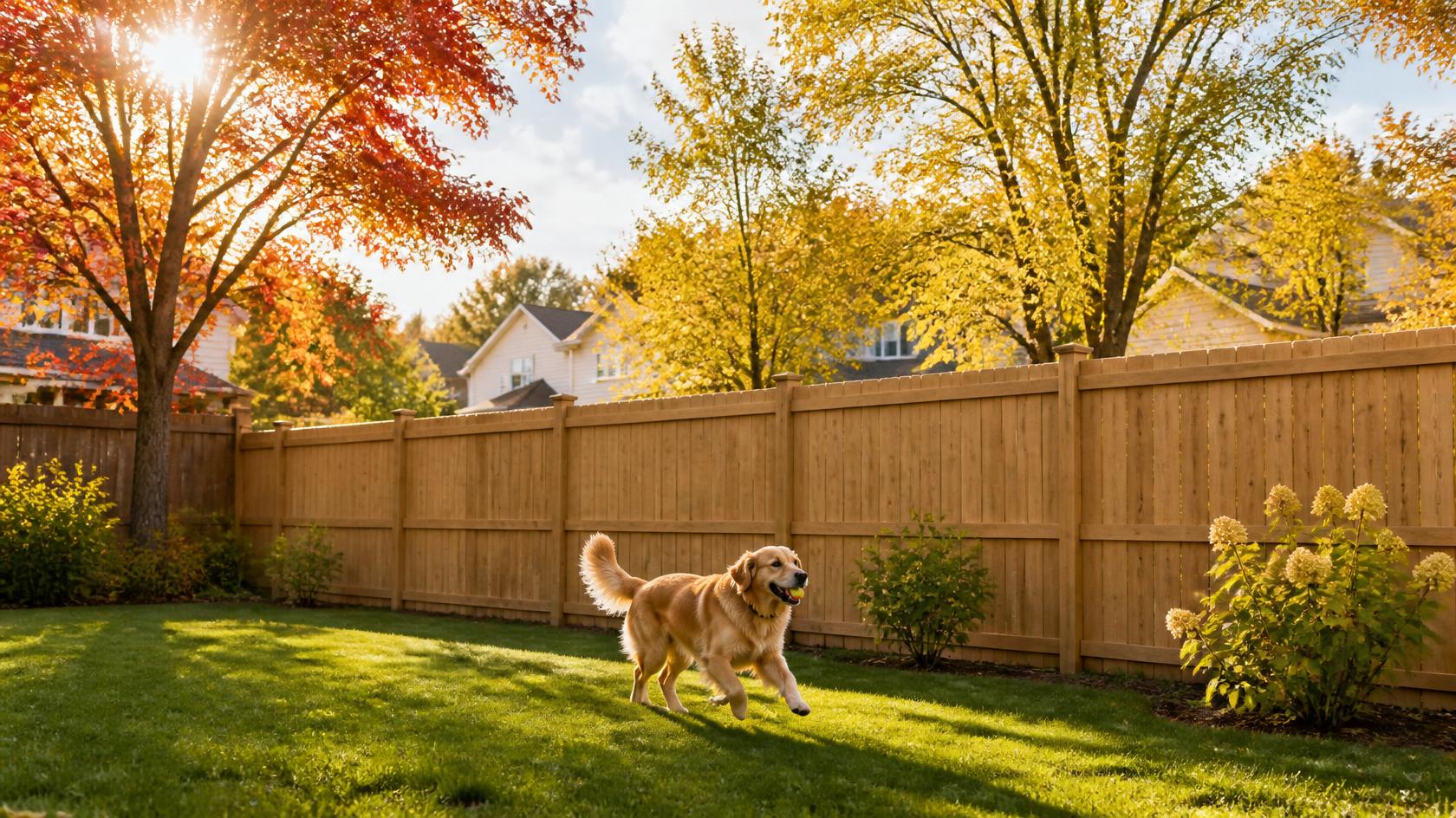
Fall can be a practical time to plan backyard fence installation in Sycamore, especially when the project needs to improve both privacy and pet containment. Homeowners should think carefully about fence height, visibility, ground gaps, gate placement, drainage, yard access, and winter use before installation begins.
Start With the Two Main Goals
A backyard fence designed for both privacy and pets needs to solve more than one problem.
Homeowners may want to:
Block views from neighboring properties
Give dogs a secure outdoor area
Create a more comfortable patio or seating space
Improve side-yard access
Replace an older fence with a better layout
Planning these goals together helps avoid choosing a fence that provides privacy but creates pet gaps, or one that contains the dog but leaves important areas exposed.
Decide Where Privacy Is Actually Needed
Full privacy may not be necessary around the entire backyard.
Walk through the property and identify the areas where screening matters most.
These might include:
Patios
Decks
Neighbor-facing property lines
Side yards
Pet areas
Targeted privacy can make the yard feel more comfortable without closing off every view.
A mixed layout can also reduce unnecessary material while keeping important spaces screened.
Wood Offers Flexible Privacy Options
Wood is a popular choice when homeowners want a natural appearance and strong privacy.
Possible styles include:
Solid Vertical Wood
Closely spaced boards provide straightforward screening and work well around patios, property lines, and pet areas.
Board-on-Board
Overlapping boards can reduce sightlines that develop as wood expands and contracts over time.
This may be useful when consistent privacy is a priority.
Shadowbox
Shadowbox fencing provides partial privacy while allowing more airflow.
It may work well where homeowners want separation without a completely solid barrier.
Wood should be inspected periodically for loose boards, rot, damaged rails, and gate movement.
Vinyl Provides Consistent Screening
Full-privacy vinyl can be a good option for homeowners who want solid screening with less routine surface maintenance.
Vinyl does not require regular:
Painting
Staining
Sealing
It can be especially useful around:
Patios
Pet areas
Shared property lines
Side yards
Semi-private vinyl is another option when some airflow or light is preferred.
Consider Whether Your Dog Needs Visual Privacy
Some dogs become more reactive when they can see activity outside the yard.
A solid wood or vinyl fence can reduce views of:
Neighboring dogs
Pedestrians
Wildlife
Passing vehicles
For calmer dogs, open fencing such as chain link or aluminum may still provide adequate containment.
The best choice depends on the dog’s behavior, not just its size.
Choose Fence Height Based on the Dog
Fence height should account for:
Jumping ability
Climbing habits
Energy level
Nearby distractions
A dog does not need to be large to be a strong jumper.
Also look for objects near the fence that could become climbing aids, such as:
Benches
Planters
Firewood
Storage bins
Applicable local requirements should be reviewed before the final height is selected.
Watch the Bottom of the Fence
Ground clearance is just as important as fence height.
Check the proposed fence line for:
Slopes
Low areas
Erosion
Uneven ground
Existing digging spots
Small dogs can sometimes escape through openings that look minor from a distance.
Ground gaps deserve extra attention where the fence meets a gate or changing grade.
Plan for Digging
Some dogs focus on going underneath the fence instead of over it.
If digging is a known problem, the layout may need additional consideration near:
Corners
Gates
Soft soil
Frequently used fence lines
Possible solutions may include reinforced lower areas or other barriers where appropriate.
If the gap is caused by runoff or erosion, however, drainage should be corrected rather than simply covering the opening.
Gate Placement Affects Daily Use
A well-placed gate can make the entire backyard more functional.
Consider whether you need access from:
The driveway
A side yard
The patio
The front of the house
For dogs, the main gate should be easy to control and should not create an obvious escape route.
A gate opening directly into a busy area may require more careful handling than one located along a quieter side yard.
Keep Pet Gates and Equipment Gates Separate
One gate does not always need to handle every purpose.
A smaller walk gate can work well for daily use, while a second wider gate can provide access for:
Riding mowers
Trailers
Landscaping equipment
This can make the everyday gate easier to manage around pets.
Wide gates also need stronger posts, hinges, framing, and hardware.
Check Gate Gaps Carefully
Pet owners should inspect:
Bottom clearance
Side gaps
Latch security
Hinge alignment
A gate that sags over time can create a larger opening underneath or along one side.
Stable gate posts are just as important as the gate itself.
Fall Is a Good Time to Study Drainage
Fall rain can reveal how water actually moves through the yard.
Before installation, look for:
Standing water
Soft ground
Washed-out soil
Downspout runoff
Low areas
Drainage can affect post stability and create future pet gaps.
Snowmelt may also follow the same paths in spring, so existing runoff problems are worth addressing before the fence goes in.
Slopes Need Extra Attention
Sloped yards can affect both appearance and containment.
Depending on the fence system, sections may be:
Stepped
Installed to follow the grade more closely
The transition between sections should be checked carefully for openings.
This is especially important for small dogs.
Prepare the Yard Before Installation
Fall yard preparation can make installation easier.
Before work begins:
Move outdoor furniture
Clear toys and hoses
Remove planters from the fence line
Trim shrubs and vines
Clear fallen leaves
Identify large roots or landscaping obstacles
A clear work area also makes it easier to inspect soil, drainage, and grade changes.
Existing Fence Removal May Affect the Project
If the new backyard fence is replacing an older one, removal should be planned in advance.
The existing fence may involve:
Posts
Concrete footings
Boards or panels
Gates
Hardware
Ask whether removal, hauling, disposal, and cleanup are included in the estimate.
Old post locations and footings may also influence the new layout.
Think Ahead to Winter Access
A fence installed in fall should remain practical once snow arrives.
Consider:
Gate swing
Shoveled paths
Snowblower routes
Snow storage areas
Pet access
Avoid placing the main gate where snow is normally piled.
Also avoid building a layout that makes winter yard access unnecessarily difficult.
Plan Around Wind Exposure
Solid privacy fencing catches more wind than open fence styles.
For exposed Sycamore properties, pay extra attention to:
Long fence runs
Corners
Gate posts
Post stability
If full privacy is only needed near the patio or neighbor-facing side, combining privacy fencing with a more open material elsewhere may be worth considering.
Mixed Materials Can Solve Different Problems
A backyard does not need the same fence material everywhere.
For example, homeowners might use:
Vinyl privacy near a patio
Wood along a shared boundary
Chain link around a larger pet area
Aluminum where open landscaping views matter
A mixed approach can balance privacy, pet containment, appearance, and maintenance.
Review the Yard Before Installation Day
Before the project begins, confirm:
Privacy areas
Pet behavior
Fence height
Gate locations
Gate widths
Ground gaps
Slopes
Drainage
Equipment access
Winter access
These details are easier to change during planning than after posts have been installed.
Request a Free Backyard Fence Estimate
Arrow Fence helps Sycamore homeowners plan backyard fencing around privacy, pets, gates, outdoor living, and everyday yard access.
Whether you are considering wood, vinyl, chain link, aluminum, mixed-material fencing, repair, or replacement, Arrow Fence can help you compare practical options for your property.
Contact Arrow Fence at arrowfencerockford.com to request a free estimate for your backyard fence project.
