
Backyard Fence Planning in Rockford, IL: What Homeowners Should Know
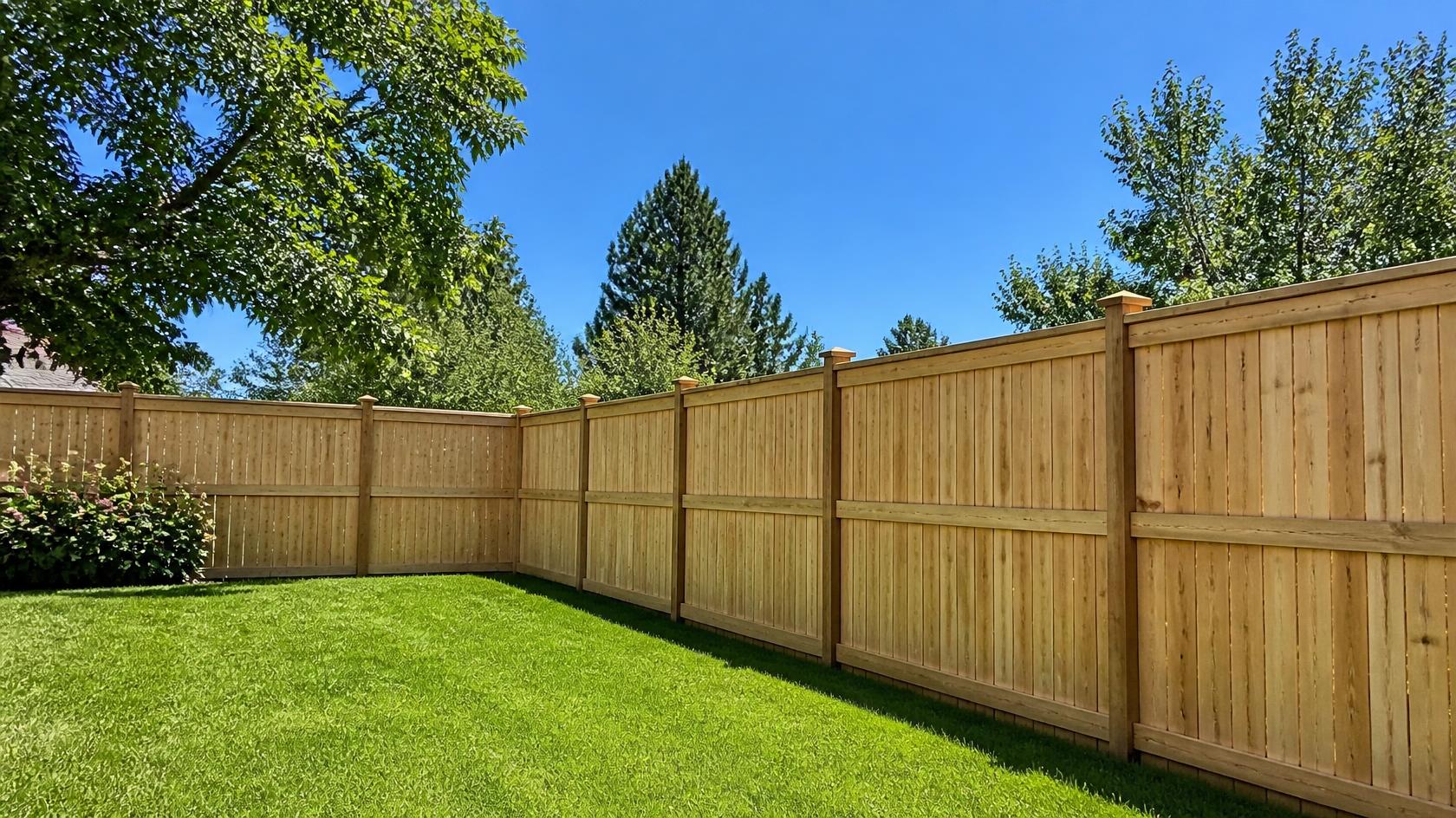
Good backyard fence planning starts with more than choosing a material. Rockford homeowners should think about privacy, pets, gate access, property boundaries, drainage, slopes, landscaping, maintenance, and northern Illinois weather before installation begins.
Start With How You Use the Backyard
The best fence layout should match the way the yard is used every day.
Some homeowners want more privacy around a patio. Others need secure containment for dogs, a safer play area for children, or a clearer boundary between neighboring properties.
Before choosing a fence, think about whether the project needs to provide:
Privacy
Pet containment
Yard security
Garden protection
Outdoor living separation
Better gate access
Curb appeal
Property definition
These priorities help determine the right material, height, gate locations, and overall layout.
Identify Where Privacy Is Actually Needed
Privacy does not always require a tall solid fence around the entire backyard.
Start by looking at the most exposed areas.
These may include:
Neighboring patios
Nearby windows
Roads or sidewalks
Decks
Outdoor dining areas
Hot tubs
Side yards
Targeted privacy panels can sometimes provide enough screening while leaving other parts of the yard more open.
This can also reduce the amount of fencing that needs ongoing maintenance.
Compare Fence Materials Before Choosing
Different materials work better for different priorities.
Wood
Wood offers natural character, strong privacy, and plenty of design flexibility.
It can work well for homeowners who want:
Solid backyard screening
Custom stains
Decorative details
Easier individual-board repairs
The tradeoff is maintenance. Wood generally requires periodic inspection and protective finishing.
Vinyl
Vinyl is useful for homeowners who want consistent privacy with less routine upkeep.
It does not require regular staining, painting, or sealing.
Full-privacy panels can work especially well around patios, pet areas, and neighboring property lines.
Chain Link
Chain link is practical for:
Pet containment
Larger yards
Long boundaries
Side-yard enclosures
It keeps the yard visually open but provides limited privacy unless slats or screening are added.
Aluminum
Aluminum works well where homeowners want a decorative boundary without blocking views.
It may be a good fit around:
Landscaping
Gardens
Walkways
Pool areas
Mixed Materials
Some Rockford properties benefit from combining materials.
For example, homeowners might use privacy fencing near the patio and chain link or aluminum in more open sections of the yard.
Plan Gate Locations Early
Gates should be part of the initial design rather than an afterthought.
Think about how people and equipment move through the property.
A standard walk gate may work for everyday access, but wider openings may be needed for:
Riding mowers
Trailers
Landscaping equipment
Utility vehicles
Patio furniture
Construction materials
Measure the widest equipment that may need backyard access.
Wide gates also require stronger posts and dependable hardware to stay aligned.
Think About Pets Before Choosing the Fence
Households with dogs should choose fencing based on pet behavior as well as appearance.
Consider whether the dog:
Jumps
Climbs
Digs
Chases wildlife
Reacts to neighboring dogs
Barks at pedestrians
Pushes against gates
Solid wood or vinyl can help block outside views for reactive dogs.
Chain link can work well for calmer pets and larger yards.
Regardless of material, pet-friendly fencing should include secure gates, appropriate height, stable posts, and minimal ground gaps.
Watch for Ground Gaps
The bottom of the fence deserves just as much attention as the top.
Ground gaps can develop around:
Slopes
Gates
Drainage areas
Low spots
Uneven terrain
These openings may create escape points for small dogs and puppies.
They can also make an otherwise well-installed fence look unfinished.
Homeowners should continue checking the lower fence line after storms and snowmelt because erosion can gradually change ground levels.
Plan for Sloped or Uneven Yards
Not every backyard is flat.
Depending on the fence system, sections may be:
Stepped
Installed to follow the grade more closely
The right approach depends on the material, appearance, privacy needs, and pet containment.
Slope planning is especially important near gates, where excessive ground clearance can create both functional and security problems.
Do Not Ignore Drainage
Drainage can affect posts, gates, and the soil beneath the fence.
Heavy rain and snowmelt can:
Wash soil away
Create ground gaps
Expose footings
Affect gate alignment
Contribute to post movement
Fence placement should work with the natural flow of water across the yard.
Low areas should be reviewed before installation instead of after erosion becomes a problem.
Confirm Property Boundaries
An old fence line, hedge, mowing pattern, or landscape edge may not accurately show the property boundary.
Before installation, homeowners should review available property information and consider:
Surveys
Property markers
Easements
Underground utilities
Applicable local requirements
Neighborhood or association guidelines
Confirming the layout early can help prevent future disputes or costly adjustments.
Keep Driveway Visibility Clear
Tall privacy fencing should be placed carefully near driveways and road-facing corners.
Solid panels can restrict sightlines if they are too close to an entrance.
Homeowners should preserve enough visibility to see approaching vehicles, bicycles, and pedestrians.
More open fencing may work better in areas where clear views are important.
Work the Fence Around Landscaping
A fence should complement the yard, not make maintenance harder.
Leave enough space for:
Mowing
Trimming
Cleaning
Inspections
Repairs
Shrubs should not completely hide lower fence sections.
Tree branches should also be trimmed before they begin rubbing against panels or creating a risk during storms.
For wood fencing, keeping plants away from the boards can also reduce prolonged moisture exposure.
Plan Around Sheds, Patios, and Outdoor Features
Existing backyard features should be included in the layout before posts are installed.
Consider:
Patios
Decks
Sheds
Gardens
Play equipment
Fire pits
Utility equipment
Air-conditioning units
A fence should not create narrow unusable spaces or block access to equipment that may need maintenance.
Thinking ahead can also make future backyard improvements easier.
Consider Future Projects
The backyard may change over time.
Homeowners planning a fence should think about whether they may eventually add:
A larger patio
A shed
New landscaping
Outdoor furniture
A play area
Additional equipment access
Leaving practical access now may prevent fence modifications later.
Keep Fence Maintenance in Mind
Different materials require different levels of care.
Wood
Check for loose boards, cracking, rot, splinters, worn finish, and gate problems.
Vinyl
Clean as needed and inspect panels, gates, posts, and hardware.
Chain Link
Check mesh tension, posts, rails, and gates.
Aluminum
Inspect gates, posts, hardware, and any damaged sections.
A homeowner who prefers minimal routine maintenance may choose differently from someone who prioritizes natural appearance and customization.
Plan for Rockford Weather
Fencing in Rockford needs to handle northern Illinois wind, rain, snow, ice, storms, and repeated freeze-thaw cycles.
Homeowners should periodically:
Check posts after storms
Inspect panels, boards, rails, or mesh
Test gates and latches
Watch for erosion
Look for new ground gaps
Trim nearby branches
Maintain wood finishes
Clear heavy snow carefully
Solid privacy fencing catches more wind than open designs, making stable posts and proper installation especially important.
Repair or Replace an Existing Fence?
If a backyard already has fencing, evaluate whether repair or replacement makes more sense before copying the existing layout.
Minor repairs may include:
Replacing damaged boards
Fixing rails
Adjusting gates
Replacing hardware
Stabilizing individual posts
Replacement may be more practical when multiple sections are failing or the current layout no longer supports privacy, pets, or convenient access.
A new project is also an opportunity to improve gate locations, fence height, and backyard flow.
Review the Plan Before Installation
Before work begins, homeowners should have a clear plan for:
Fence material
Fence height
Property boundaries
Gate locations
Gate widths
Privacy areas
Pet needs
Slopes
Drainage
Landscaping
Equipment access
Applicable local requirements
Careful planning can make the finished fence more useful and help avoid changes after installation begins.
Request a Free Backyard Fence Estimate
Arrow Fence helps Rockford homeowners plan backyard fencing for privacy, pets, outdoor living, landscaping, and practical yard access.
Whether you are considering wood, vinyl, chain link, aluminum, fence repair, replacement, or new gates, Arrow Fence can help you compare practical options for your property.
Contact Arrow Fence at arrowfencerockford.com to request a free estimate for your backyard fence project.
