
Backyard Privacy Fence Ideas in Davis Junction, IL: Planning for Next Spring Starts Now
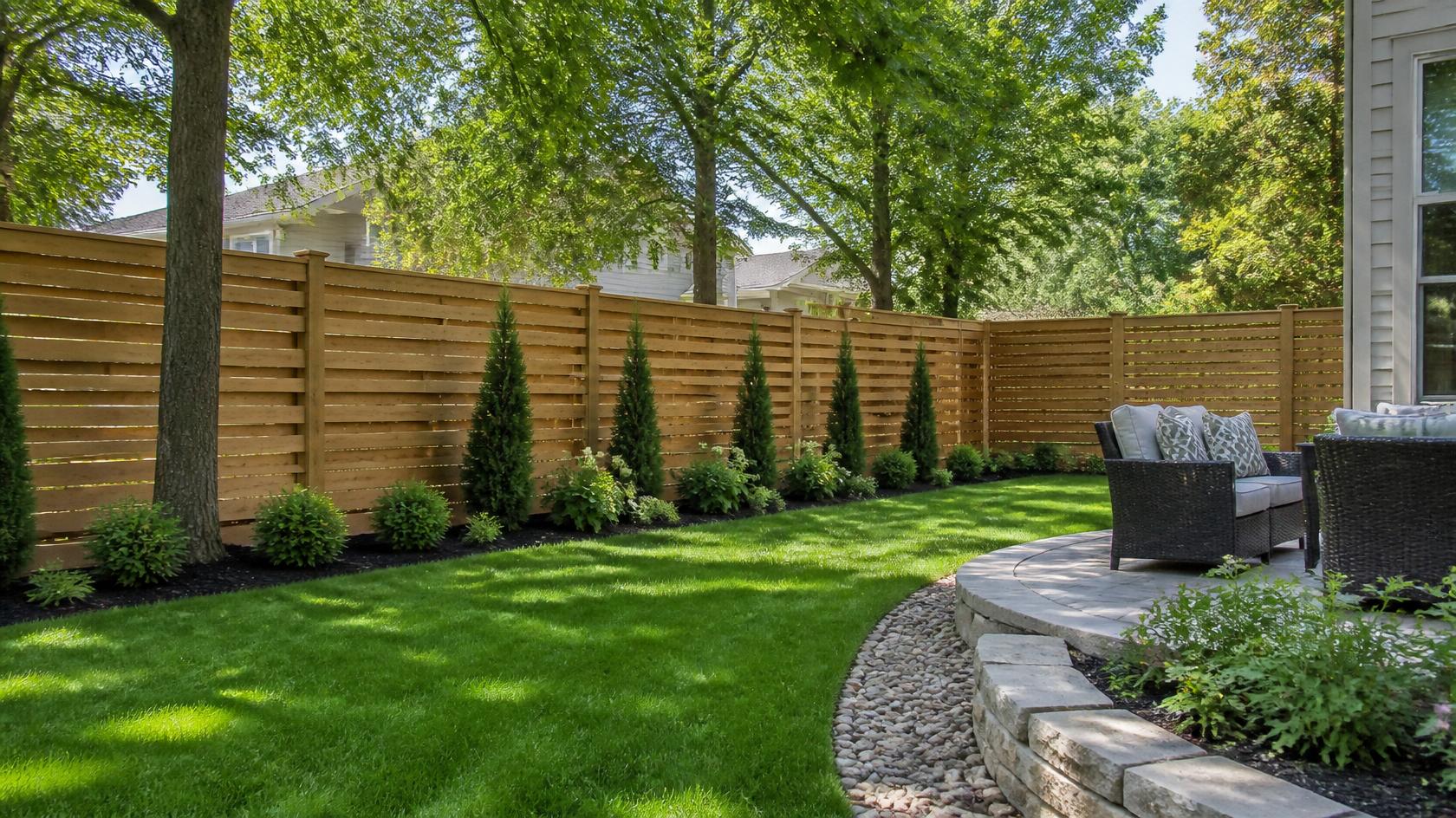
If you are considering a backyard privacy fence in Davis Junction next spring, fall is a good time to make the important decisions now. Homeowners can use the off-season to compare materials, identify where privacy is actually needed, plan gates, check drainage and slopes, and decide whether an older fence should be repaired or replaced before installation season gets busier.
Why Start Planning a Spring Fence in Fall?
A privacy fence project involves more than choosing a material and scheduling installation.
Good planning can include:
Measuring the yard
Reviewing property boundaries
Comparing materials
Deciding where full privacy is needed
Planning gates
Evaluating slopes
Checking drainage
Removing an older fence
Preparing landscaping
Starting these decisions in fall gives homeowners more time to think through the layout instead of rushing once warmer weather returns.
It also makes it easier to notice how the yard functions before winter changes the landscape.
Decide Where You Actually Need Privacy
Not every backyard needs a solid fence on every side.
Walk around the property and notice where you would most like to block views.
Common areas include:
Patios
Decks
Outdoor dining spaces
Neighboring windows
Side yards
Roads
Pet areas
Targeted privacy can sometimes create a better backyard than enclosing everything with the same tall solid fence.
For example, one side may need full screening while another could remain more open to preserve a view.
Think About How the Backyard Will Be Used
A fence should support the way you actually use the yard.
Before choosing a design, consider whether the backyard is mainly used for:
Entertaining
Children
Dogs
Gardening
Outdoor dining
Relaxing
Storage
Recreation
The answers influence more than privacy.
They can affect gate placement, fence height, material choice, and how much open visibility you want to keep.
Consider Solid Wood for a Natural Backyard Look
Wood remains a strong privacy option for homeowners who prefer a traditional or natural appearance.
It works especially well around:
Patios
Gardens
Mature landscaping
Decks
Older or traditional-style homes
Wood also gives homeowners several design choices.
Vertical Privacy Wood
A straightforward option for creating a solid visual barrier around the backyard.
Board-on-Board Wood
Overlapping boards help reduce sightlines as wood naturally changes with moisture and temperature.
This can be useful along shared boundaries where consistent screening matters.
Shadowbox Wood
Shadowbox fencing allows more airflow while still creating partial privacy.
It may work well where complete screening is not necessary.
Horizontal Wood
Horizontal boards can create a more modern look, especially around patios and outdoor living spaces.
Strong framing is important with this style.
Vinyl Can Simplify Future Maintenance
Vinyl may appeal to homeowners who want backyard privacy without regular staining or painting.
Full-privacy vinyl provides:
Consistent screening
Clean lines
Smooth surfaces
Lower routine surface maintenance
It can work especially well around patios, pet areas, and side yards.
Semi-private vinyl is another option where homeowners want more airflow and light without giving up all screening.
Think About How Much Maintenance You Want
This is one of the most practical ways to compare wood and vinyl.
Wood
May require:
Cleaning
Staining
Sealing
Board repair
Periodic refinishing
Vinyl
Usually requires:
Cleaning
Gate checks
Post inspections
Hardware checks
If you enjoy the appearance of wood and do not mind maintenance, wood may be worth it.
If you want fewer routine surface-care tasks, vinyl may fit your lifestyle better.
Use Mixed Materials for Larger Backyards
A larger Davis Junction yard does not always need one material everywhere.
A mixed layout might use:
Wood privacy near the patio
Vinyl along a neighboring property line
Chain link around a dog area
Aluminum near landscaping
This can help balance privacy, appearance, maintenance, and open space.
It can also prevent a large yard from feeling completely closed off.
Plan Privacy Around the Patio First
For many homeowners, the patio or deck is where privacy matters most.
Before fencing the whole yard, stand in your main seating area and look outward.
Ask:
Which neighboring windows are visible?
Which direction faces the road?
Where do people pass nearby?
Which side feels most exposed?
This can help determine whether you need full-yard privacy or just strategic screening around the outdoor living area.
Think Ahead for Pets
If dogs will use the backyard, privacy planning should also consider containment.
Think about whether your dog:
Jumps
Digs
Climbs
Reacts to neighboring dogs
Chases wildlife
Rushes gates
A solid wood or vinyl fence can help reduce outside visual distractions for some dogs.
Ground clearance also matters.
Small gaps under the fence may become escape points, especially along slopes or areas affected by erosion.
Plan Gate Locations Before Spring
Gate placement should not be an afterthought.
Think through how you move around the property.
You may need:
A walk gate near the driveway
A gate near the patio
A wider mower gate
Double-gate access
Separate equipment access
Measure anything that needs to pass through the yard, including:
Riding mowers
Trailers
Landscaping equipment
Utility vehicles
Large outdoor furniture
Choosing the correct gate width now can prevent future frustration.
Avoid Putting Every Gate in the Same Area
A single gate may be inconvenient on a larger property.
For example, a backyard may work better with:
One everyday walk gate
One wider equipment gate
This keeps frequent foot traffic separate from mower or trailer access.
It can also make pet management easier.
Check Slopes While the Yard Is Still Visible
Fall is a useful time to inspect how the ground changes across the property.
Look for:
Sloping side yards
Low spots
Uneven grades
Areas where water collects
Different materials handle slopes in different ways.
Fence sections may be stepped or installed to follow the grade more closely, depending on the system.
Pet owners should pay extra attention to possible ground gaps where elevation changes quickly.
Watch What Happens During Fall Rain
Rain can reveal drainage problems that may be easy to overlook in dry summer weather.
Check for:
Standing water
Erosion
Downspout runoff
Mud near the planned fence line
Washed-out areas
These issues should be considered before new posts are installed.
A privacy fence can be built from a low-maintenance material and still have problems if the soil around the posts is unstable.
Think About Wind Exposure
Solid privacy fencing catches more wind than open styles.
Walk around the yard on windy days and notice which areas feel most exposed.
This can help guide:
Fence height
Material choice
Post planning
Whether some sections should remain semi-private or open
Open yards and long straight fence runs deserve careful structural planning.
Review Landscaping Before Winter
Trees, shrubs, vines, and garden beds can affect fence installation.
Fall is a good time to identify:
Shrubs growing across the fence line
Branches that need trimming
Tree roots near planned posts
Plants you want to preserve
Garden beds that may need repositioning
Planning now can reduce last-minute clearing in spring.
Decide What to Do With an Existing Fence
If an older fence is already in place, inspect it before winter.
Look for:
Leaning posts
Rot
Damaged rails
Loose panels
Sagging gates
Widespread wear
Some sections may only need repair.
Others may be better candidates for replacement.
Knowing this in advance helps you understand whether the spring project will involve:
New installation
Partial replacement
Full removal and replacement
Do Not Assume the Old Fence Is on the Correct Line
An existing fence does not automatically confirm the property boundary.
Before rebuilding, review available:
Survey information
Property markers
Easements
Utility considerations
It is better to resolve layout questions before the old fence comes down.
Plan for Future Backyard Projects
Think beyond next spring.
Ask whether you may add:
A shed
A larger patio
A garden
A play area
Outdoor storage
A pool
New landscaping
Future projects can affect gate placement and fence layout.
Planning around them now may prevent having to move or modify the fence later.
Consider Snow and Winter Access Too
Even though the project may happen in spring, the fence will eventually need to work during winter.
Think about:
Where snow will be piled
Gate swing
Shoveled walkways
Pet access
Snowblower routes
A gate positioned in a natural snow-storage area may become difficult to use once winter arrives.
Build a Spring Fence Planning Checklist Now
Before installation season begins, try to have answers to these questions:
Where is privacy most important?
Which material fits the home?
How much maintenance do I want?
How tall should the fence be?
Where should gates go?
Do I need equipment access?
Does the yard have slopes?
Are there drainage problems?
Is the old fence staying or being removed?
Are there pet-specific needs?
The more of these decisions you make now, the smoother the spring planning process can be.
Request a Free Privacy Fence Estimate
Arrow Fence helps Davis Junction homeowners plan backyard privacy fencing for patios, pets, side yards, outdoor living spaces, and residential property lines.
Whether you are considering wood, vinyl, mixed-material fencing, fence replacement, repairs, or new gates, Arrow Fence can help you compare practical options before next spring.
Contact Arrow Fence at arrowfencerockford.com to request a free estimate for your backyard privacy fence project.
