
Backyard Privacy Fence Ideas for Rockford Neighborhoods
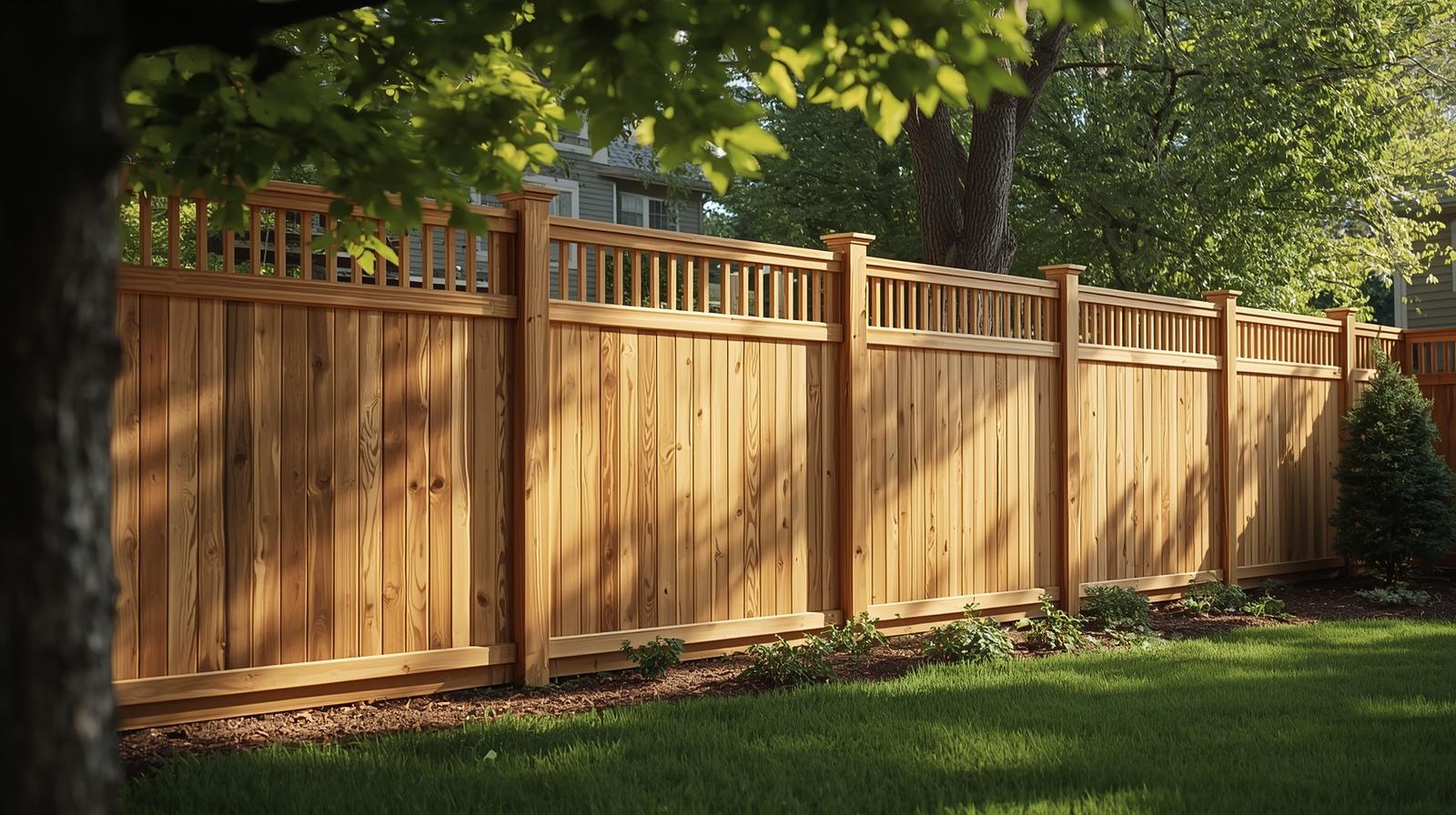
It’s hard to relax on a summer evening when you’re making accidental eye contact with the neighbors over a short chain link. Whether you are restoring privacy to a historic Churchill Grove bungalow or blocking the wind in a newer subdivision, the right barrier transforms a simple lawn into a sanctuary. Your fence design must balance this desire for seclusion with the harsh realities of our local climate.
Local builders know that Northern Illinois winters are notorious for "frost heave," a phenomenon where freezing moisture in our heavy clay soil expands and pushes posts upward if they aren't anchored deep enough. Choosing materials that cannot withstand these temperature swings or heavy snow loads is a financial mistake that often leaves fences leaning within three years.
Before digging, navigate the rules that keep the city running smoothly. In practice, costly disputes often stem from ignoring "setback requirements," which dictate exactly how far your structure must be from the property line. By adhering to Rockford residential zoning fence height regulations first, you ensure your investment stays standing legally and structurally.
Navigating Rockford’s 6-Foot Rule and Winnebago County Permits
Installing a barrier without checking local codes is the quickest way to turn a weekend project into a legal headache. While standard backyards usually allow for six feet of privacy, corner lots introduce a critical safety concept known as sightline clearance. This regulation ensures your new border doesn’t block the view for drivers at intersections, often requiring much lower heights near the street. If your heart is set on a design that violates these standard setbacks, you would need to apply for a zoning variance, though getting this special exception is often rare and time-consuming.
Beyond height, the City of Rockford enforces a visual standard known as the finished face requirement. The smooth, attractive side of the fence must face outward toward your neighbors and the street, leaving you with the side showing the structural posts and rails. It might seem backwards to pay for the "good side" only to show it to everyone else, but complying with this rule prevents neighborhood disputes and city fines.
Once your layout respects these rules, the paperwork begins. Applying for a fence permit in Winnebago County or the city requires preparation. Do you need a permit for a 6-foot fence in Rockford? Yes, almost always. Secure approval through these steps:
Locate your property survey plat to confirm exact boundaries.
Sketch a site plan showing the fence location relative to your house and garage.
Submit your application through the municipal portal or at city hall.
Schedule the final inspection once installation is complete.
With the legalities handled, the next challenge is choosing materials that can actually survive a Midwestern winter.
Why Cedar and Vinyl Beat Pine in the Northern Illinois Freeze-Thaw Cycle
Every homeowner in the Rock River Valley knows that our weather doesn't just change; it attacks. The cycle of soaking spring rains followed by deep freezes creates a specific challenge for best fencing materials for Illinois climate: the freeze-thaw cycle. While pressure-treated pine is the standard budget option found at big-box stores, its porous nature acts like a sponge. It wicks up moisture that expands when frozen, leading to severe warping and cracks within just a few seasons.
Red Cedar offers a robust alternative because it naturally contains tannins—preservative oils that repel water and insects without chemical injections. Although the upfront price tag is higher than pine, the required DIY wood fence maintenance for harsh winters is significantly lower. Cedar resists the twisting common in cheaper woods, making it the most cost-effective timber choice over a ten-year span. You aren't just paying for the look; you are paying for wood that refuses to rot when buried in damp Illinois clay.
Synthetic materials solve the rot problem entirely, but they must handle significant thermal expansion and contraction. Cheaper plastics become brittle and shatter when the temperature drops below zero. To ensure vinyl vs cedar privacy fence durability, look for "virgin vinyl" with added titanium dioxide. This specific grade is engineered to remain flexible in freezing temps, allowing the fence to shift slightly without snapping under the pressure of ground movement or accidental impacts.
Selecting the right material is only half the battle if the wind knocks the panels down. Once you have settled on a durable substance, you need a structural design that lets heavy gusts pass through rather than fighting them.
The Shadowbox Solution for Windy Neighborhoods Near the Airport
If you live near the Chicago Rockford International Airport or border open farm fields, you know that wind here isn't just a breeze; it is a structural threat. A traditional solid fence acts like a sail, catching every 50mph gust until the posts eventually give way. The "Shadowbox" (or board-on-board) style changes this dynamic by alternating pickets on opposite sides of the central rails, creating small gaps that break up the wind's force rather than trying to stop it completely.
By choosing a Shadowbox fence for wind resistance, you gain significant durability without sacrificing your seclusion. This strategic design offers specific advantages for exposed lots:
Reduced Drag: Air slips through the gaps, dramatically lowering the stress on your fence posts during storms.
Better Circulation: Increased airflow keeps the yard cooler and helps wood dry out faster after heavy rains, preventing rot.
Dual Appeal: The fence looks identical on both sides, making it a "neighbor-friendly" choice.
While these privacy fence ideas for backyard layouts allow a limited line of sight if you peer directly through the angled gap, they effectively block the view from your neighbor's deck. It is the compromise between an open picket and a solid wall. However, even the most aerodynamic design will fail if the ground beneath it shifts. Once you have handled the wind, adapt your installation technique to conquer the rolling terrain and deep frost lines typical of our region.
Stopping the 'Spring Lean': Installing Fences on Rockford’s Rolling Hills
Most Rockford yards have a subtle grade that becomes obvious the moment you run a string line, creating potential gaps that compromise privacy and pet security. To handle this, decide between two techniques based on the severity of the incline. For gentle slopes, "racking" the fence panels allows the rails to follow the contour of the ground, keeping the pickets vertical while eliminating space at the bottom. Steeper hills usually require a "stepped" approach, where each panel stays level but sits higher or lower than the previous one, creating a staircase effect. This decision determines whether you have a smooth flow or a tiered look, though stepping often leaves triangular gaps at the bottom that might require extra filling to keep pets secure.
Gravity isn't the only force working against your privacy wall; the freezing and thawing cycle of our soil is a silent fence killer. In Northern Illinois, moisture in the ground freezes and expands, pushing shallow posts upward and out of alignment. To prevent this structural failure, local building standards and Rockford residential zoning fence height regulations guide builders to dig past the frost line. You must set your post holes at least 42 inches deep. This ensures the concrete footing anchors below the freezing zone, keeping your fence straight even after the harshest January deep freeze.
Digging a deep hole is useless, however, if that hole acts as a water cup for your wooden post. Before dropping in the post or pouring concrete, add about six inches of crushed gravel to the bottom of the excavation. This drainage layer allows water to flow away from the wood grain rather than pooling and soaking in, which significantly reduces the risk of premature rot at the base. Once your structure is secure against both gravity and ice, you can focus on the aesthetics that will keep your homeowners association happy.
Modern Horizontal Designs and Lattice Tops for HOA-Friendly Style
If your backyard feels a bit like a hallway—common in many of Rockford’s newer subdivisions—traditional vertical pickets might accidentally emphasize the narrowness. Switching to modern horizontal wood fence designs can trick the eye; just as horizontal stripes on a shirt make the wearer look wider, horizontal fence boards draw the gaze side-to-side rather than up and down. This orientation creates a sleek, contemporary aesthetic that physically opens up the visual space of a 0.2-acre lot without actually moving the property lines.
However, strict Homeowners Associations often view solid 6-foot walls as "unfriendly" or "fortress-like," creating a conflict between your desire for solitude and their demand for curb appeal. The compromise usually lies in decorative lattice top fence panels for aesthetics, which offer a solid bottom for privacy while keeping the top foot open and airy. Choosing the right topper can satisfy the rules while matching your home's style:
Diamond Lattice: The classic choice that offers the most screening, ideal for traditional Colonial or Victorian homes.
Square Grid: A cleaner, geometric pattern that complements Craftsman bungalows or modern builds.
Open Spindle: Vertical pickets spaced apart at the top, offering the least privacy but the highest wind-flow and visibility.
While these styles boost curb appeal, keep in mind that horizontal rails and intricate lattice work create more shelf-like surfaces where snow and rain can pool. To ensure low maintenance privacy screening for small yards, you must keep these crevices clear of wet leaves to prevent rot. Once you have solved the visual puzzle of your fence, you might notice that a beautiful barrier doesn't necessarily stop the noise from nearby traffic.
The Quiet Backyard: Sound Dampening and Living Privacy Screens
Living near busy thoroughfares like East State Street means visual privacy often isn’t enough to create true calm. While a standard wood fence creates a visual border, sound waves flow like water through any gap or thin material, making lightweight vinyl or spaced pickets ineffective against traffic hum. To truly lower the volume, you need mass; sound dampening fence options for busy streets typically involve thick, tongue-and-groove cedar or specialized acoustic vinyl that eliminates air gaps, potentially reducing perceived noise by up to 10 decibels.
Even the sturdiest wall works better when paired with a biological buffer to scatter residual noise and soften the look of a tall barrier. This strategy, known as "layered privacy," relies heavily on choosing best evergreen trees for living privacy screens that can survive a harsh Zone 5 winter. Fast-growing options like the 'Green Giant' Arborvitae or Techny Arborvitae are local favorites because they hold their heavy foliage year-round, unlike deciduous hedges that leave you exposed—and the noise louder—once the leaves drop in November.
By planting these evergreens three to four feet inside your hard fence line, you create a dead-air space that traps sound while ensuring the tree roots don't eventually push over your posts. This combination transforms a simple property line into a dense, fortress-like perimeter that handles both the prying eyes of neighbors and the rumble of the morning commute.
Your 5-Step Action Plan for a Maintenance-Free Rockford Privacy Fence
Look past surface aesthetics to choose materials and designs that actually survive our winters. Remember, the true value of your fence lies underground in that non-negotiable 42-inch post depth. When finalizing your numbers, anticipate the cost of professional fence installation in Rockford to range from $4,000 to $10,000, ensuring you budget for durability over rock-bottom pricing.
Follow this path to a lasting build:
Confirm specific zoning setbacks and HOA rules.
Request itemized quotes from three local contractors.
Verify the contract guarantees deep-set posts.
Schedule installation to avoid frozen ground.
Set a recurring reminder for annual maintenance.
Treat this barrier as a long-term home extension. A simple 15-minute inspection each spring to clean off grime and tighten loose hardware will double the life of your fence, keeping your sanctuary secure against the wind and the neighborhood.
