
Best Fence for Dogs in Oregon, IL: Safe Yard Planning for Cold Weather
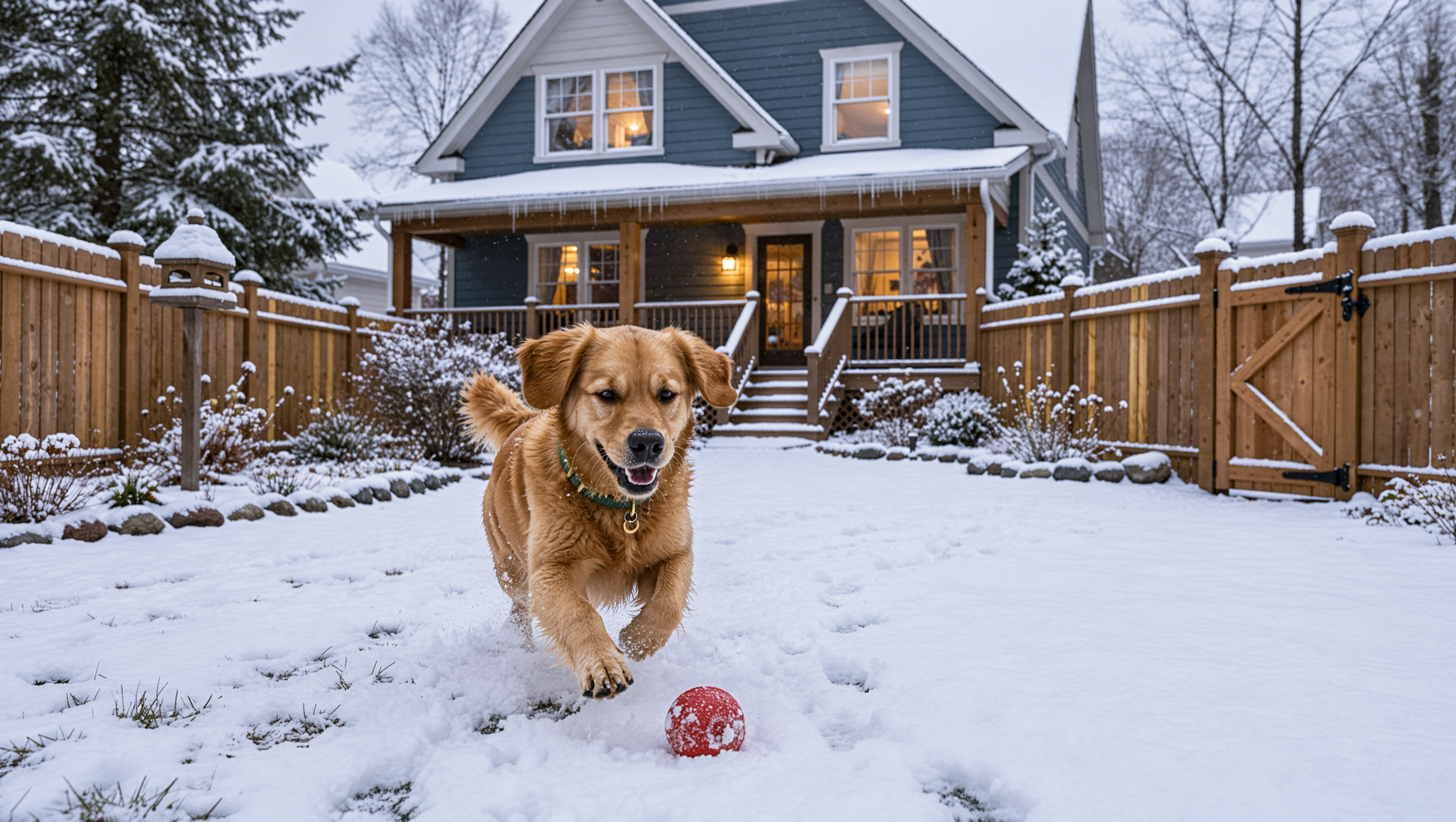
The best dog fence for an Oregon, IL yard should match your pet’s behavior, size, and daily routine while staying practical through cold weather. Wood, vinyl, chain link, and aluminum can all work, but winter planning should focus on secure gates, bottom gaps, snow buildup, drainage, visibility, and areas where freeze-thaw conditions may affect posts or ground clearance.
Start With the Dog’s Habits
Fence planning should begin with how your dog behaves outside.
Some dogs stay close to the house and rarely test the boundary. Others patrol the fence, chase wildlife, dig, jump, or rush gates.
Think about whether your dog tends to:
Dig under barriers
Jump when excited
Climb
React to people or animals
Push against gates
Those behaviors can influence material, height, privacy level, and gate design.
Decide Whether Your Dog Needs Privacy
Visibility matters more for some dogs than others.
A dog that reacts strongly to neighboring pets, pedestrians, or passing vehicles may benefit from a solid fence.
A calmer dog may be perfectly comfortable with an open design.
Privacy can help reduce visual distractions from:
Nearby dogs
Wildlife
Sidewalk activity
Driveways
Roads
The goal is not automatically to block every view. It is to create a yard that works for your pet’s behavior.
Wood Can Create a More Private Dog Yard
Solid wood fencing can be a strong option for dogs that need visual screening.
Common choices include:
Solid Vertical Wood
Closely spaced boards provide straightforward privacy and can reduce outside distractions.
Board-on-Board
Overlapping boards help limit sightlines and maintain more consistent coverage as wood naturally expands and contracts.
Wood also offers flexibility around irregular layouts and targeted privacy zones.
The tradeoff is that it generally requires more routine maintenance than vinyl, chain link, or aluminum.
Vinyl Can Provide Consistent Screening
Full-privacy vinyl can also work well for reactive dogs.
It offers:
Solid screening
Smooth surfaces
No routine staining
Relatively simple cleaning
Vinyl can be useful along busy neighboring boundaries or side yards.
During very cold weather, vinyl can become less flexible, so hard impacts from snow-removal tools or equipment should be avoided.
Chain Link Can Be Practical for Active Dogs
Chain link works well when open visibility is not a problem.
It can be a practical choice for:
Larger yards
Long fence runs
Active dogs
Open backyard layouts
Because wind moves through the mesh, chain link has less wind resistance than solid privacy fencing.
For dogs that become overstimulated by outside activity, however, the openness may not be ideal.
Aluminum Works Best When Spacing Fits the Dog
Aluminum fencing offers an open, decorative appearance with relatively low routine maintenance.
Before choosing it for a pet yard, consider:
Picket spacing
Fence height
Dog size
Bottom clearance
Smaller dogs may need tighter spacing.
A highly reactive dog may also benefit from more visual screening than aluminum provides.
Fence Height Should Match Behavior
Dog size alone should not determine fence height.
A smaller athletic dog may jump higher than a larger calm one.
Think about whether your dog:
Jumps when excited
Climbs
Uses nearby objects for leverage
Becomes more active around wildlife
Applicable local requirements should also be reviewed before finalizing fence height and placement.
Ground Gaps Matter More Than Many Homeowners Expect
A secure fence can still fail if the lower edge is not planned carefully.
Walk the entire perimeter and look for gaps caused by:
Slopes
Erosion
Soil settlement
Digging
Post movement
Cold weather can make these areas harder to inspect once snow arrives.
Check them before winter and again after major weather changes.
Watch Sloped Sections Closely
Oregon yards with changing elevation can create uneven bottom clearance.
Pay particular attention where the fence:
Crosses a slope
Turns a corner
Meets a gate
Follows uneven ground
Depending on the fence system, sections may need to be stepped or follow the grade more closely.
Small dogs can take advantage of openings that seem insignificant from a distance.
Snow Can Make a Fence Effectively Shorter
Snow piled beside the fence can create a jumping platform.
This is easy to overlook.
Avoid placing large snowbanks next to areas where your dog tends to:
Patrol
Jump
Watch neighboring activity
Pay special attention near corners and gates.
A fence that is secure in fall can become easier to challenge once snow builds up.
Keep the Main Pet Gate Functional
The daily dog gate should remain easy to open and close throughout winter.
Before snow arrives, test whether it:
Swings freely
Latches without force
Drags
Sags
Has large side gaps
A gate that already has alignment problems can become more difficult to use after snow or ice reduces clearance.
Check the Hinge and Latch Posts
Gate problems often start with post movement.
Inspect both posts for:
Leaning
Soft soil
Erosion
Rot on wood posts
Movement at the base
If either post shifts, the opening can change.
Repeated latch adjustments may not solve a structural support problem.
Plan the Gate Around Snow Removal
Where will snow be piled after a storm?
That question should influence gate placement.
Avoid putting the most-used pet gate where snow is regularly:
Shoveled
Blown
Stored
A gate that stays accessible makes daily winter routines much easier.
Consider a Separate Equipment Gate
If mowers, trailers, or landscaping equipment need backyard access, a separate wider gate may make sense.
This allows the daily pet gate to remain smaller and easier to manage.
Measure the equipment before choosing the width.
Wide gates need stronger support and should be planned from the beginning.
Drainage Can Affect Pet Security
Water movement can change the lower fence line over time.
After rain or snowmelt, check for:
Standing water
Erosion
Soft soil
Washout
Downspout runoff
Poor drainage can create gaps or contribute to post movement.
If the same opening keeps appearing, fixing the drainage issue may be more effective than repeatedly filling the gap.
Freeze-Thaw Conditions Can Shift Weak Areas
Cold weather can expose fence problems that were less obvious in fall.
Moist soil may freeze, thaw, and settle.
Pay attention to:
Gate posts
Corners
End posts
Low areas
A stable fence should handle seasonal changes better than one that already has loose support.
If a post moves before winter, it is worth addressing early.
Keep Climbing Aids Away From the Fence
Objects placed near the fence can make escape easier.
Avoid storing items such as:
Firewood
Storage bins
Patio furniture
Large planters
directly beside the fence if your dog is a jumper or climber.
Snow piles can create the same problem.
Trim Vegetation Before Winter
Dense vegetation can hide problems along the fence base.
Trim enough to inspect:
Ground gaps
Digging
Loose boards
Hardware
Drainage areas
This is especially useful before snow and fallen leaves cover the lower fence line.
Check Nearby Branches
Winter wind, snow, and ice can bring branches down.
Look for limbs hanging over:
Panels
Rails
Gates
Posts
A fallen branch can damage the fence and create an opening before you notice it.
Pet yards should be inspected after significant winter weather.
Mixed Materials Can Work Well
One material does not have to handle every part of the yard.
A property might use:
Vinyl privacy near a busy neighboring side
Chain link along a rear boundary
Aluminum near landscaping
Wood around a patio
Mixed layouts can balance privacy, visibility, maintenance, and pet security.
Do a Quick Check After Winter Storms
A fence that was secure before winter can change after snow, wind, or ice.
After major weather, inspect:
Gates
Latches
Snow buildup
Ground gaps
Fallen branches
Leaning sections
A short perimeter check can catch a problem before the dog finds it first.
Which Fence Is Best for Your Dog?
Choose based on behavior and yard conditions.
Wood or full-privacy vinyl may work best for dogs that need less outside visibility.
Chain link can be practical for dogs that do well with open views.
Aluminum can work for calm dogs when spacing and height are appropriate.
The best solution is the one that combines secure containment, practical gates, suitable visibility, and year-round usability.
Request a Free Dog Fence Estimate
Arrow Fence helps Oregon homeowners plan pet-friendly fencing around privacy, gates, bottom gaps, drainage, slopes, snow access, and everyday yard use.
Whether you are considering wood, vinyl, chain link, aluminum, repair, replacement, or a new installation, Arrow Fence can help you review practical options for your property and your dog.
Contact Arrow Fence at arrowfencerockford.com to request a free estimate for your fence project.
