
Best Fence Materials for Marengo, IL Homes
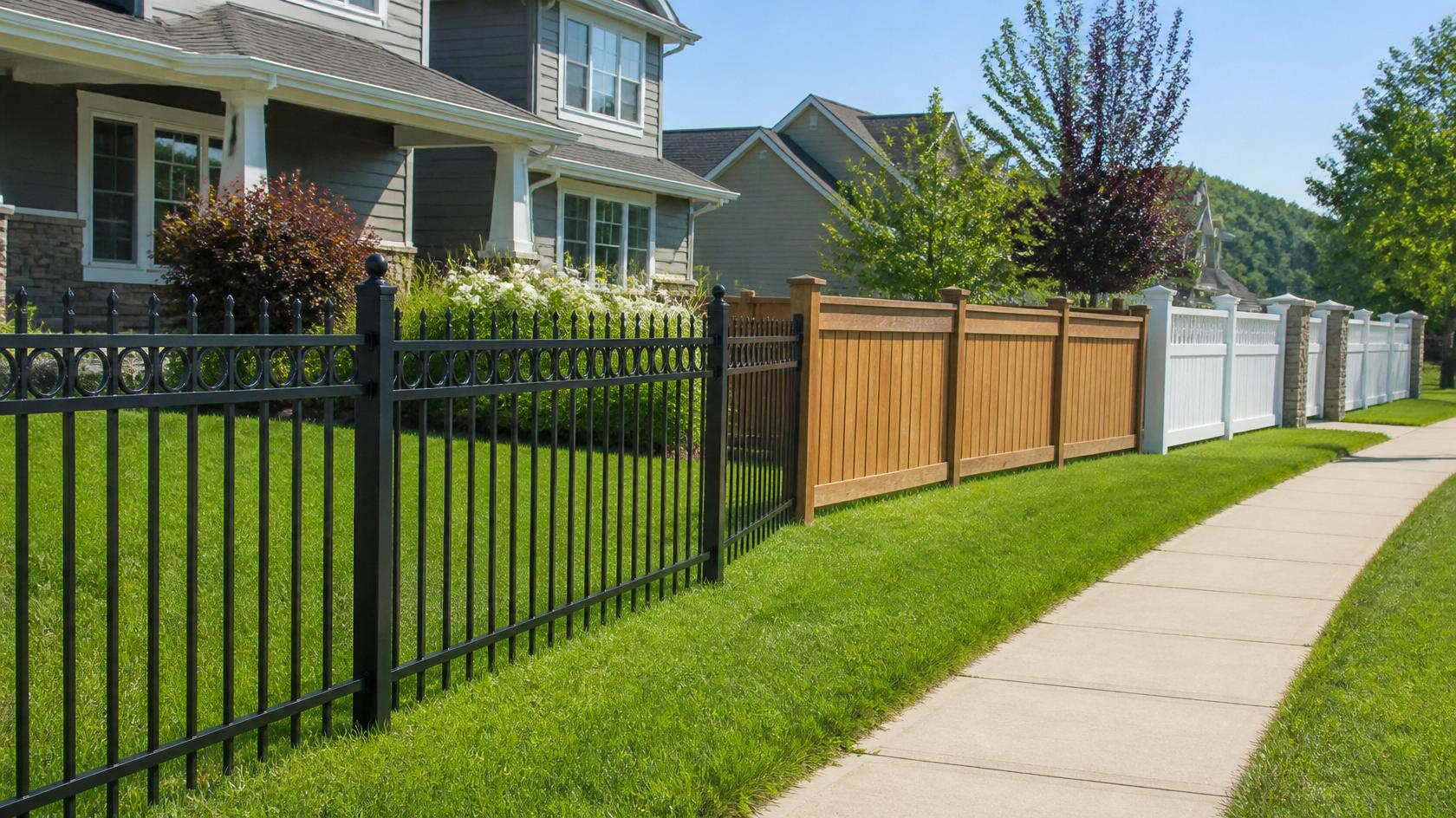
The best fence material for a Marengo home depends on privacy, pets, maintenance, appearance, budget, and exposure to Midwest weather. Wood and vinyl are strong privacy choices, chain link works well for durability and pet containment, while aluminum and ornamental fencing offer open views and curb appeal.
What Marengo Homeowners Should Consider First
Choosing a fence material is not only about appearance. The right option should match how the yard is used, how much maintenance the homeowner wants, and how well the fence can handle local weather.
Homes in Marengo may have suburban backyards, larger lots, open fields, nearby roads, gardens, patios, and spaces used by children or pets. Each property can require a different balance of privacy, security, visibility, and access.
Before comparing materials, consider:
How much privacy the yard needs
Whether children or pets use the space
The size and slope of the property
Preferred maintenance level
Gate and equipment access
Wind exposure
The style of the home
Long-term repair and replacement costs
A fence that fits these needs is more likely to remain useful and attractive over time.
Wood Fencing for Privacy and Natural Style
Wood remains one of the most popular residential fence materials because it offers privacy, warmth, and design flexibility.
It can be built in many styles, including:
Solid privacy fencing
Board-on-board fencing
Shadowbox fencing
Horizontal fencing
Traditional picket fencing
Lattice-top panels
Solid wood panels are a good choice for patios, play areas, pet spaces, and homes with nearby neighbors. Board-on-board fencing uses overlapping boards, which helps reduce visible gaps as the wood naturally expands and contracts.
Shadowbox fencing provides partial privacy and allows more airflow. This can be useful on open Marengo properties where wind exposure is a concern.
Wood can also be stained to complement siding, decks, sheds, and landscaping. However, it needs more maintenance than vinyl, chain link, or aluminum.
Homeowners should expect to clean, stain, seal, and inspect wood regularly. Boards may eventually warp, crack, loosen, or rot, especially when moisture remains trapped near the bottom of the fence.
Wood is best for homeowners who value natural appearance and customization and are comfortable with ongoing care.
Vinyl Fencing for Low-Maintenance Privacy
Vinyl fencing is a practical option for homeowners who want a clean, consistent appearance without regular painting or staining.
It is available in several styles, including:
Full-privacy panels
Semi-privacy fencing
Decorative lattice tops
Picket fencing
Scalloped or arched panels
Wood-look finishes
Vinyl does not absorb moisture, rot, splinter, or develop peeling paint. This makes it appealing for families, pet owners, and anyone who wants easier seasonal maintenance.
Solid vinyl panels provide dependable privacy around patios, pools, play areas, and neighboring property lines. Decorative tops can soften the appearance of a tall fence while allowing more light and airflow.
Vinyl should still be installed carefully. Solid panels catch wind, so posts and footings must be strong enough to support the fence during storms.
Damaged vinyl panels may also be more difficult to repair than individual wood boards. Choosing a common panel style can make future matching and replacement easier.
Vinyl is often a good long-term option for homeowners who prioritize privacy and reduced maintenance.
Chain Link Fencing for Strength and Value
Chain link fencing is known for durability, practical performance, and lower routine maintenance.
It works well for:
Pet enclosures
Larger backyards
Side yards
Utility spaces
Garden protection
Properties that do not need full privacy
Standard galvanized chain link offers a straightforward appearance, while black vinyl-coated chain link blends more naturally with landscaping.
Chain link allows homeowners to see across the property, which can be helpful for supervising children or pets. It also allows wind to pass through more easily than solid fencing.
Privacy slats or screens can be added, but these features increase wind resistance. The framework may need additional support when screening is installed.
Chain link is usually easier to maintain than wood. It does not need staining or sealing, although homeowners should inspect posts, rails, gates, and fabric after storms or accidental impact.
For large Marengo properties, chain link can provide reliable enclosure without the higher material cost of full privacy fencing.
Aluminum Fencing for Open Views
Aluminum fencing provides a polished appearance while preserving visibility.
It is commonly used around:
Front yards
Gardens
Pools
Patios
Walkways
Decorative landscaping
Property entrances
Aluminum does not provide full privacy, but it can create a clear boundary without making the yard feel enclosed.
It is resistant to rust and generally requires little maintenance. Occasional cleaning and hardware checks are usually enough to keep it looking good.
Aluminum fencing can be especially attractive around landscaped areas or homes where homeowners want to maintain open views.
Picket spacing should be considered when small pets are present. Pool installations must also meet applicable safety and gate requirements.
Aluminum is a strong choice for curb appeal, visibility, and low maintenance.
Ornamental Fencing for Traditional Curb Appeal
Ornamental fencing offers a more formal and decorative appearance. It can be used near driveways, gardens, entrances, front yards, and visible property boundaries.
Depending on the material and design, ornamental fencing may resemble traditional wrought iron while offering improved durability and lower maintenance.
It is not designed for full privacy, but it can add structure and character to the property.
Ornamental fencing works well for homeowners who want:
A more upscale appearance
Open views
Decorative gates
Defined landscaping
A strong front-yard boundary
Like aluminum, the spacing between pickets should be reviewed for pets and children.
Best Materials for Backyard Privacy
For full visual screening, wood and vinyl are usually the strongest options.
Wood offers a natural appearance and more custom design choices. Vinyl offers a uniform look with less ongoing maintenance.
Homeowners may also combine materials instead of installing full privacy fencing around the entire property.
A practical layout may include:
Vinyl or wood around a patio
Chain link around a distant pet area
Aluminum near the front yard
Ornamental fencing near a garden
Privacy panels along one shared property line
This approach can provide screening where it matters most while keeping other areas open.
Best Materials for Pets
The right pet fence depends on the animal’s size, behavior, and activity level.
Wood and Vinyl
Solid wood and vinyl fencing limit outside views, which may help dogs that bark at passing people, animals, or vehicles.
These materials should include secure gates, minimal ground gaps, and strong lower sections.
Chain Link
Chain link is durable and practical for active dogs. It offers visibility and can cover larger areas efficiently.
Some dogs may climb chain link or react to outside movement, so pet behavior should be considered before choosing it.
Aluminum and Ornamental Fencing
Open picket fencing may work for calm pets, but spacing must be narrow enough to prevent escapes.
It may not be suitable for very small dogs or pets that are easily distracted by activity outside the yard.
Best Materials for Families With Children
Families should choose fencing that creates a secure boundary and supports safe access.
Vinyl offers a smooth surface without splinters. Wood provides privacy but should be inspected for loose boards, rough edges, and exposed fasteners.
Chain link can be practical when properly installed with smooth edges and secure gates. Aluminum can work well around open play areas, although it does not provide privacy.
Important family-friendly features include:
Self-closing or secure gates
Reliable latches
Stable posts
Minimal openings
Smooth surfaces
Gates positioned away from traffic
Choosing Fence Materials for Large Lots
Large properties may require more fencing, making cost, maintenance, and access especially important.
Chain link can be a practical choice for long boundaries, pet containment, or less visible parts of the property. Wood or vinyl can then be used near the house, patio, or road where privacy and appearance matter more.
Mixed-material fencing can reduce costs while creating a more functional layout.
Large properties may also benefit from wider gates for:
Riding mowers
Trailers
Landscaping equipment
Utility vehicles
Future construction
Gate placement should be included in the original plan rather than treated as an afterthought.
How Midwest Weather Affects Fence Materials
Marengo fences must handle wind, rain, snow, ice, storm damage, humidity, and repeated freeze-thaw cycles.
Wood
Wood can absorb moisture, swell, crack, warp, or rot. Staining and sealing help protect it, but regular inspections are necessary.
Vinyl
Vinyl resists moisture but may become more vulnerable to impact during severe cold. Strong installation helps prevent panel movement during high winds.
Chain Link
Chain link handles wind well because air passes through it. Posts and rails should still be inspected after storms or ground movement.
Aluminum and Ornamental Fencing
These materials resist many moisture-related problems, but gates, posts, and hardware can shift if the soil moves during freeze-thaw cycles.
Proper post depth, drainage, footing stability, and gate reinforcement matter for every fence material.
Seasonal Fence Maintenance
Even low-maintenance fencing should be checked throughout the year.
A practical maintenance routine includes:
Inspecting posts for leaning or movement
Testing gate latches and hinges
Removing leaves from the fence base
Trimming branches near panels
Checking for storm damage
Cleaning vinyl and aluminum
Looking for rust on chain link hardware
Staining or sealing wood as needed
Clearing heavy snow carefully
Watching for erosion around posts
Small repairs are usually easier and less expensive when they are addressed early.
Repairing Versus Replacing a Fence
The fence material can affect whether repairs are simple or more involved.
Wood boards and rails can often be replaced individually. Chain link sections, rails, and posts can also be repaired when damage is limited.
Vinyl panels may require matching replacement sections, while ornamental or aluminum repairs may depend on the original design and manufacturer.
Replacement may be more practical when:
Several posts are failing
Large sections are leaning
Rot is widespread
Panels are repeatedly breaking
Gates no longer align
Storm damage affects most of the structure
A professional inspection can help determine which option provides better long-term value.
Selecting the Best Material for Long-Term Value
The best fence material is the one that fits the homeowner’s priorities.
Wood may be right for someone who wants natural beauty and customization. Vinyl may suit a homeowner who values privacy with less upkeep. Chain link can provide practical enclosure at a lower cost, while aluminum and ornamental fencing can strengthen curb appeal.
Before making a decision, consider not only the installation cost but also future cleaning, staining, repairs, gate adjustments, and panel replacement.
A properly installed fence that matches the property’s layout and daily use can provide more lasting value than a material chosen only because it has the lowest initial price.
Request a Free Fence Estimate
Arrow Fence helps homeowners in Marengo and surrounding communities compare wood, vinyl, chain link, aluminum, ornamental, privacy, pet, and backyard fencing options.
Whether you are planning a new installation, replacing an older fence, repairing storm damage, or adding a gate, Arrow Fence can help you choose a material that fits your property and maintenance preferences.
Contact Arrow Fence at arrowfencerockford.com to request a free estimate for your fencing project.
