
Best Fence Options for Oregon, IL Homes with Pets
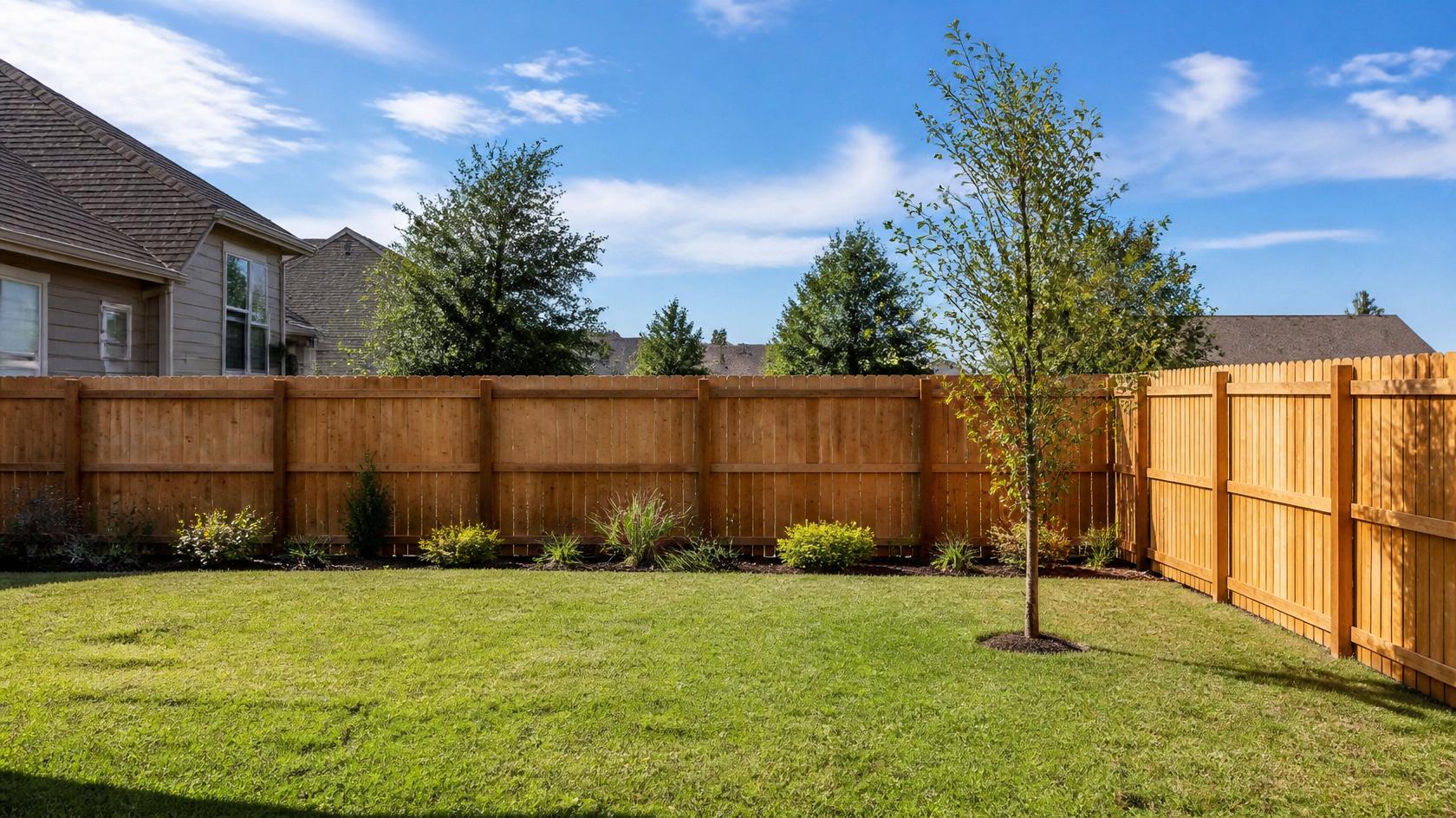
The best fence options for Oregon, IL homes with pets depend on your pet’s size, behavior, yard layout, and privacy needs. Wood, vinyl, chain link, and aluminum fencing can all work well when planned around height, gates, bottom clearance, visibility, maintenance, and Midwest weather.
Why Pet-Friendly Fence Planning Matters
A fence can make a backyard more useful and comfortable for pet owners. For many Oregon, IL homeowners, fencing creates a safer outdoor space where dogs can play, stretch, and enjoy the yard without needing constant leash supervision.
But not every fence is automatically right for pets. Some dogs jump. Some dig. Some bark at people, cars, or animals outside the yard. Smaller pets may squeeze through gaps near gates, pickets, or uneven ground. Larger pets may need taller fencing, stronger posts, and secure hardware.
The best pet-friendly fence should fit your yard and your pet’s actual behavior, not just the look of the fence.
Start With Your Pet’s Needs
Before choosing a fence material, think about how your pet uses the yard.
Ask yourself:
Is your pet small, medium, or large?
Does your dog jump or climb?
Does your dog dig near fence lines?
Does your dog bark at outside movement?
Is your yard flat, sloped, or uneven?
Do you want privacy or open visibility?
How many gates will the fence need?
These details can help guide the best fence height, material, layout, and gate placement.
Wood Fencing for Privacy and Pets
Wood fencing is a strong option for pet owners who want privacy and a natural backyard look. A solid wood fence can block views from neighbors, roads, sidewalks, and nearby animals.
This can be helpful for dogs that become excited or reactive when they see movement outside the yard. By reducing visibility, a wood privacy fence may help the backyard feel calmer and more controlled.
Benefits of Wood Fencing for Pets
Wood fencing may be a good fit if you want:
Strong backyard privacy
A natural fence appearance
Custom height options
Good screening for reactive dogs
A more enclosed yard
A traditional residential look
Wood can be built in solid privacy, board-on-board, shadowbox, or decorative styles. For pets, the most important details are height, board spacing, bottom clearance, and gate security.
Wood does require maintenance. Homeowners should check for loose boards, rot, leaning posts, gaps, and gate issues, especially after storms or winter weather.
Vinyl Fencing for Low-Maintenance Privacy
Vinyl fencing is another good option for homes with pets. It provides privacy like wood, but usually requires less routine maintenance. Vinyl does not need staining, painting, or sealing.
A solid vinyl privacy fence can reduce outside distractions and create a clean, enclosed backyard for pets and families.
Benefits of Vinyl Fencing for Pets
Vinyl fencing may be a good fit if you want:
Low maintenance
Strong privacy
Easy cleaning
A clean, finished appearance
Reduced visibility
A pet-friendly backyard fence
Vinyl can work well for dogs that need fewer distractions. It is also practical for busy homeowners who want privacy without regular wood upkeep. Solid vinyl panels can catch wind, so proper installation matters.
Chain Link Fencing for Practical Pet Containment
Chain link fencing is one of the most practical fence options for pets. It is commonly used for backyards, dog runs, side yards, larger yards, and property boundaries.
Chain link keeps the yard open and visible while still creating a clear enclosure. This can work well for dogs that are comfortable seeing outside activity.
Benefits of Chain Link for Pets
Chain link fencing may be a good fit if you want:
A practical pet enclosure
Open visibility
A fence for a larger yard
Durable everyday function
A cost-conscious option
A clear property boundary
If your dog barks at people, cars, or animals outside the yard, privacy slats or screening may help in certain sections. These additions can reduce visibility, but they can also add wind pressure.
Aluminum Fencing for Certain Pets
Aluminum and ornamental fencing can work for some pets, especially larger or calmer dogs that do not try to squeeze through pickets or jump over the fence.
Aluminum fencing is often chosen for curb appeal, gardens, pools, and decorative yard areas. It does not provide privacy, so it may not be the best option for reactive dogs.
When Aluminum May Work
Aluminum may be a good fit if you want:
Decorative curb appeal
Open visibility
Low maintenance
A polished property boundary
A fence around a garden or pool
A clean look from the street
For small dogs, picket spacing and bottom clearance should be reviewed carefully. For pets that need fewer outside distractions, wood or vinyl privacy fencing may be a better fit.
Fence Height Matters
Fence height is one of the most important parts of pet-friendly fence planning. A fence that is too short may not safely contain a large or active dog.
Small dogs may not need the tallest fence, but they may need tighter gaps and less clearance near the ground. Larger dogs may need more height, stronger posts, and secure gates.
The right height depends on your pet’s size, jumping ability, and behavior.
Watch for Gaps and Bottom Clearance
Pets do not only escape over fences. Some escape under, through, or around weak spots.
Important areas to check include:
Gate bottoms
Fence corners
Sloped yard sections
Low spots in the yard
Spaces near posts
Gaps between boards or pickets
Areas where pets dig
Bottom clearance matters, especially for small dogs and puppies. If your yard is uneven, the fence layout should be planned carefully to reduce escape points.
Gate Security Is Essential
A pet-friendly fence is only as secure as its gates. Even a strong fence can become a problem if the gate does not close or latch properly.
Pet-friendly gates should close smoothly, latch securely, have limited gaps, and be placed where they support daily use.
Think about access for pets, children, lawn equipment, trash bins, patios, gardens, side yards, and service areas. If multiple people use the gate, reliable hardware is especially important.
Planning for Digging and Jumping
Some dogs dig near the fence line. Others jump when excited. These behaviors should be considered before installation.
For digging dogs, homeowners should regularly check for disturbed soil, low spots, or gaps near the bottom of the fence. For jumping dogs, fence height and visibility can make a big difference.
A solid privacy fence may help some dogs stay calmer because it reduces outside distractions. A taller fence may also be needed for active pets.
Maintenance and Weather Considerations
Pet-friendly fence installation in Oregon, IL should account for Midwest weather. Wind, rain, snow, ice, storms, humidity, and freeze-thaw cycles can affect posts, panels, gates, and hardware.
Wood fences should be checked for loose boards, rot, moisture damage, and gaps. Vinyl fences should be inspected for panel, post, or gate issues after strong weather. Chain link and aluminum fences should be checked for bent sections, loose hardware, and gate alignment.
After storms or winter weather, homeowners should walk the fence line before letting pets use the yard unsupervised.
Repair or Replace an Existing Pet Fence?
If you already have a fence, repair may be enough when damage is small. A gate latch issue, loose board, damaged panel, or small chain link repair may not require full replacement.
Fence replacement may be better if several posts are leaning, wood rot is widespread, chain link is badly bent, gates no longer close securely, or pets can escape.
For pet owners, small fence problems should be handled quickly. One weak spot can become an escape risk.
Choosing the Best Fence for Your Pet
The best fence option depends on your pet, yard, and goals. Choose wood if you want privacy, natural style, and custom height options. Choose vinyl if you want privacy with lower maintenance. Choose chain link if you need practical pet containment or a larger yard boundary. Choose aluminum if you want curb appeal and have pets that do well with open visibility.
Before deciding, consider pet size, jumping, digging, visibility, gates, bottom clearance, maintenance, and Midwest weather.
Work With a Local Fence Company
The best fence options for Oregon, IL homes with pets should be planned around safety, privacy, gates, yard layout, maintenance, and local weather. Arrow Fence helps homeowners and property owners compare wood fencing, vinyl fencing, chain link fencing, aluminum and ornamental fencing, privacy fencing, pet fencing, backyard fencing, fence repair, fence replacement, commercial fencing, and gates.
Contact Arrow Fence for a Free Estimate
If you are planning a pet-friendly fence for your Oregon, IL home, Arrow Fence can help you compare materials, review your yard layout, and choose a fence that fits your pets, privacy needs, and long-term goals.
Contact Arrow Fence today for a free estimate and helpful guidance on your next pet-friendly fence project.
