
Best Fencing Options for Illinois Weather: Snow, Wind & Rain

Illinois is known for its unpredictable and often extreme weather patterns. From heavy snowfall in the winter to strong winds sweeping across the plains and frequent rainstorms throughout the year, homeowners in the Prairie State face unique challenges when it comes to outdoor structures like fences. A fence isn't just a boundary marker or a privacy enhancer—it's a frontline defense against the elements. Choosing the wrong material can lead to warping, rusting, or complete failure after a few harsh seasons, resulting in costly repairs or replacements. In this comprehensive guide, we'll explore the best fencing options tailored to Illinois' climate, focusing on durability against snow, wind, and rain. We'll break down the pros, cons, and key considerations for each type, helping you make an informed decision for your property.
First, let's understand why Illinois weather is so demanding on fencing. The state experiences cold winters with average temperatures dipping below freezing, often accompanied by significant snowfall—Chicago alone sees about 38 inches annually. This leads to freeze-thaw cycles that can crack or heave materials. Summers bring heat and humidity, causing expansion and contraction. Add in the wind—Illinois ranks among the windier states with gusts up to 18 mph on average—and heavy rainfall totaling around 40 inches per year, and you have a recipe for material degradation. Moisture from rain and melting snow can cause rot or corrosion, while high winds test structural integrity. The ideal fence must be resilient, low-maintenance, and able to withstand these fluctuations without losing its aesthetic appeal or functionality.
Vinyl Fencing: The All-Weather Champion
When it comes to versatility and resilience in Illinois' variable climate, vinyl fencing stands out as a top choice. Made from polyvinyl chloride (PVC), this material is engineered to handle extreme conditions without the drawbacks of traditional options.
Vinyl's primary strength lies in its moisture resistance. Unlike wood, it doesn't absorb water, making it impervious to rot, mold, or warping from rain and snow. During Illinois winters, when snow piles up and melts repeatedly, vinyl remains flexible and doesn't crack under freezing temperatures. It's also UV-resistant, so the hot, sunny summers won't cause fading or brittleness. For wind-prone areas like the open farmlands in central Illinois or the gusty shores of Lake Michigan, vinyl's reinforced panels provide excellent stability, often rated to withstand winds up to 110 mph with proper installation.
Pros of vinyl fencing include low maintenance—just a occasional hose-down is needed—and a wide range of styles, from privacy panels to picket designs that mimic wood. It's also eco-friendly in some formulations, using recycled materials. On the downside, initial costs can be higher, ranging from $20 to $40 per linear foot, and while durable, it can become brittle in extreme cold if not high-quality. For Illinois homeowners, experts recommend reinforced vinyl with impact modifiers for added toughness.
If you're in a suburban area like Naperville or Peoria, vinyl offers a clean, modern look that enhances curb appeal without annual staining or sealing.

Overall, its lifespan of 25-40 years makes it a smart long-term investment for battling snow, wind, and rain.
Aluminum Fencing: Strength and Elegance in Harsh Conditions
For those seeking a blend of security and sophistication, aluminum fencing is an excellent option for Illinois' demanding weather. This lightweight metal is powder-coated to resist rust and corrosion, making it ideal for the state's wet and snowy environment.
Aluminum excels in wind resistance due to its sturdy yet flexible construction—posts are often anchored deeply to handle gusts without bending or toppling. In winter, it doesn't absorb moisture like steel might, preventing ice buildup from causing damage. Rain simply runs off, and the material's non-porous surface avoids pitting from hail or acid rain common in industrial areas like Chicago. Unlike wrought iron, aluminum won't rust, even after years of exposure to salt from road treatments during snowy months.
The pros are numerous: it's virtually maintenance-free, doesn't require painting, and comes in ornamental styles that add value to properties. Costs average $25-50 per linear foot, and its lifespan can exceed 50 years with minimal care. Cons include a higher upfront price and less privacy compared to solid panels—it's better for perimeter or pool fencing. In windy regions like the Illinois plains, opt for heavier-gauge aluminum for extra durability.
Homeowners in areas prone to heavy snow, such as Rockford or Springfield, appreciate how aluminum shakes off accumulations without sagging.
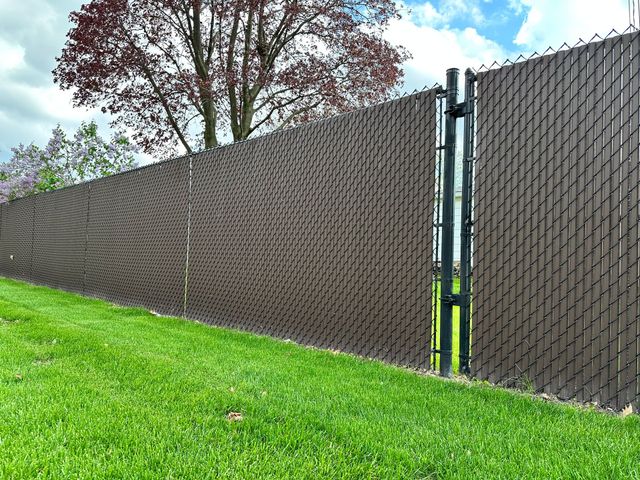
It's a premium choice that combines resilience with timeless style.
Chain Link Fencing: Affordable and Resilient for Everyday Use
Chain link fencing might not win beauty contests, but for practicality in Illinois weather, it's hard to beat. Galvanized or vinyl-coated steel wire woven into a diamond pattern, this option is a staple for commercial and residential properties alike.
Its durability shines in extreme conditions: the open design allows wind to pass through, reducing stress on posts during high gusts—perfect for Illinois' tornado-prone seasons. Snow and rain don't accumulate; instead, they drain away, preventing rust if properly coated. In fact, high-quality chain link can withstand UV rays, heavy precipitation, and even stray impacts without failing.
Pros include affordability ($10-20 per linear foot), quick installation, and longevity of 15-25 years. It's customizable with privacy slats for added wind protection and security. Drawbacks? It's not the most aesthetically pleasing and offers little privacy without add-ons. For rural Illinois farms or urban backyards in places like Decatur, it's ideal for containing pets or securing lots without breaking the bank.
Maintenance involves occasional checks for tension and rust spots, but overall, it's low-effort.
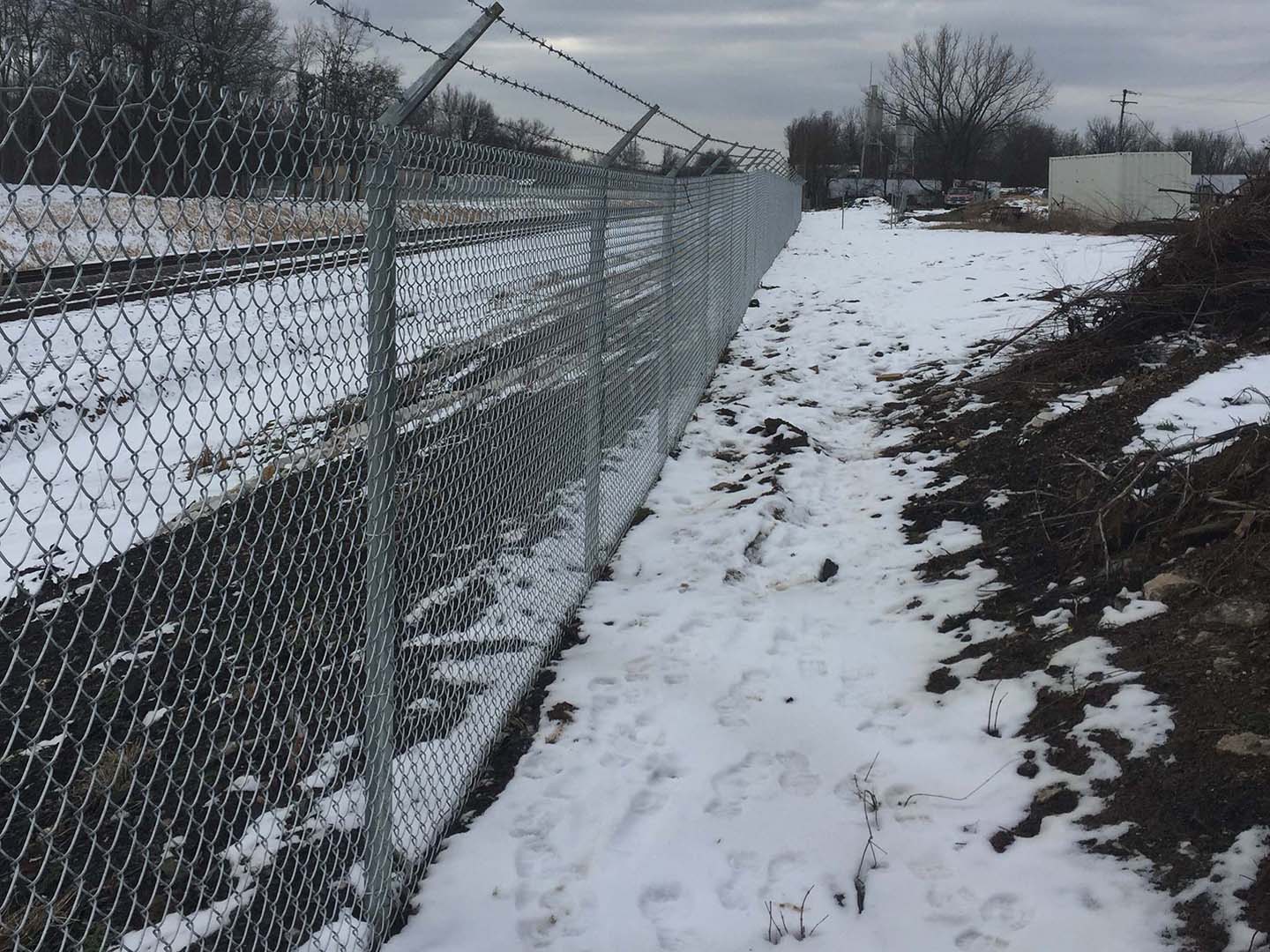
Chain link proves that simple can be supremely effective against snow, wind, and rain.
Composite Fencing: The Modern Hybrid Solution
Composite fencing, made from recycled wood fibers and plastic, offers a wood-like appearance with superior weather resistance, making it a rising star for Illinois homes.
This material resists moisture absorption, so rain and snow won't cause swelling or cracking. It's engineered for temperature swings, staying stable in sub-zero winters and humid summers. Wind resistance is strong, especially with reinforced posts, and it doesn't fade or splinter over time.
Pros: Eco-friendly, low maintenance (no staining needed), and a natural look with 25-30 year lifespan. Costs $25-45 per linear foot. Cons: Can be pricier and heavier to install. It's great for privacy in windy suburbs like Aurora.
Wood Fencing: Traditional with Careful Selection
Wood remains popular, but in Illinois, choose wisely—cedar or redwood for natural oils that repel moisture and insects. Treated pine is budget-friendly but needs sealing.
Pros: Aesthetic warmth, customizable. Cons: Prone to rot from rain/snow, warping in wind/cold—maintenance is key. Lifespan 15-20 years with care, $15-30 per foot.
For best results, elevate posts and apply weatherproofing annually.
Maintenance Tips for Longevity
Regardless of material, proper installation is crucial—use concrete footings below frost line to prevent heaving. Regular inspections for damage from wind or snow loads, and prompt repairs, extend life. In rainy seasons, ensure drainage around bases.
Conclusion: Choosing Your Ideal Fence
The best fencing for Illinois weather boils down to your needs: vinyl for low-maintenance durability, aluminum for elegance, chain link for affordability, composite for eco-style, or wood for tradition. Consult local installers for site-specific advice. With the right choice, your fence will stand strong against snow, wind, and rain for years to come.
