
Chain Link Fence Installation in Rockford
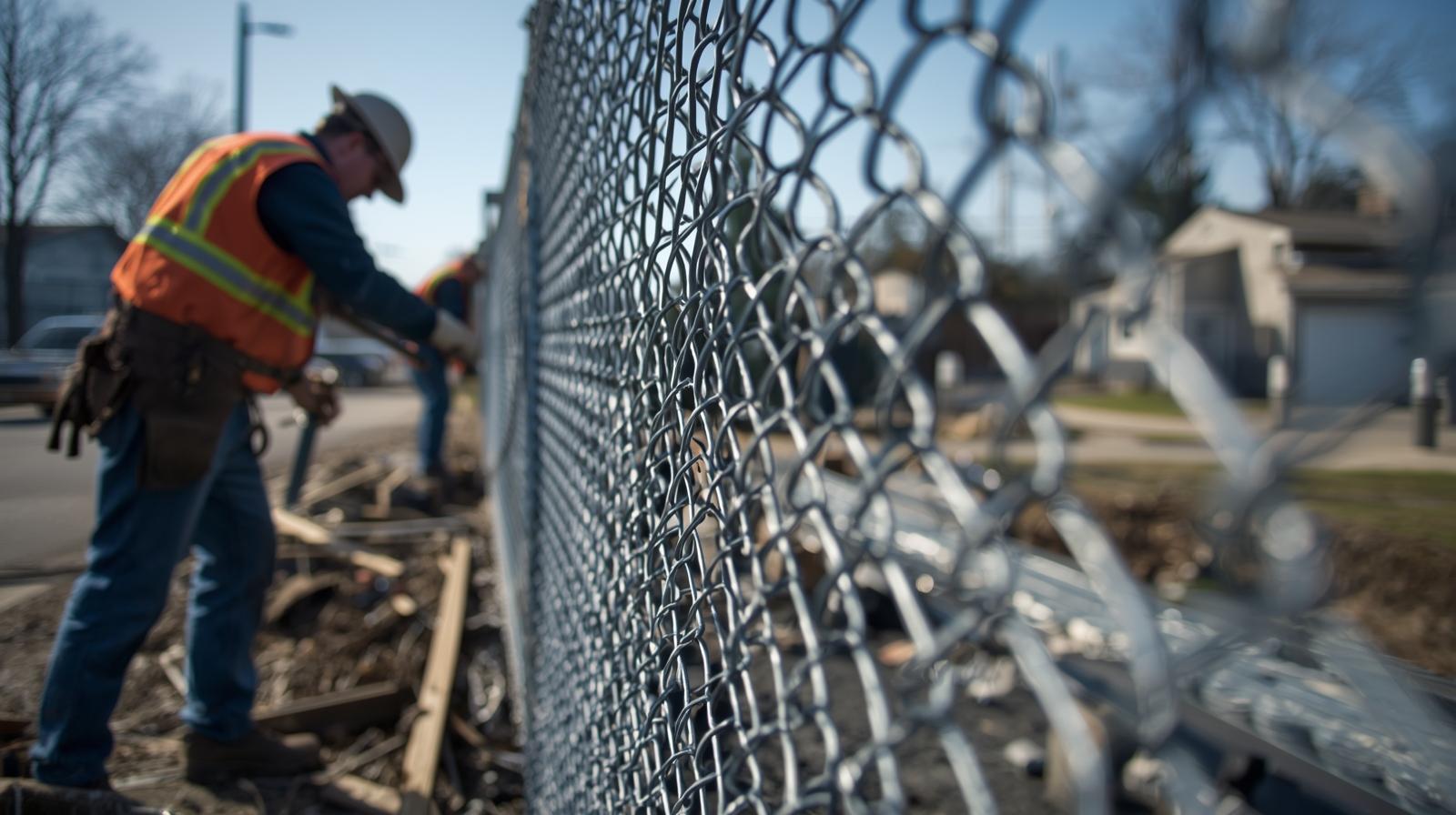
Thinking about a chain link fence for your Rockford home? Whether it’s to give your dog a safe space to run or secure the backyard for your kids, the first step isn't buying materials—it's planning. Before a single hole is dug, professionals take three crucial steps to avoid costly headaches and ensure the project starts smoothly.
First, imagine digging a post hole and cutting your neighborhood’s internet line. To prevent this, you must call 811. This free Illinois service, known as JULIE, sends crews to mark the location of all public utility lines on your property. This simple, required call is the absolute foundation for a safe and successful dig.
Next, you need to know exactly where your property ends. In practice, building a fence on a neighbor’s land, even by a few inches, can lead to expensive disputes. Look for small metal stakes, or property pins, at the corners of your lot. You also need to understand your property’s setback, which is the minimum distance your fence must be from that line.
Finally, a quick online search for Rockford fence permit requirements will tell you about legal heights and whether a building permit is needed to install chain link fence. Getting this planning right from the start is key, whether you do it yourself or decide to hire a fence contractor in Winnebago County.
Galvanized vs. Black Vinyl: Choosing the Right Fence for Your Budget and Style
Your first big material decision is between traditional silver-colored galvanized fencing and the more modern black vinyl-coated style. While a standard galvanized fence is the classic, budget-friendly option, a black vinyl-coated chain link fence adds a protective layer that offers superior rust protection against Rockford’s damp seasons. This extra durability and improved look, which helps the fence blend into your yard, does modestly increase the average cost to install chain link fence per foot.
Beyond the finish, you’ll need to consider the wire’s thickness, known as its wire gauge. The numbering system is a bit counterintuitive: a smaller gauge number means a thicker, stronger wire. Wondering what is the best gauge for a residential fence? For most homeowners, especially those with active dogs or security in mind, a sturdy 9-gauge wire is an excellent all-around choice. Lighter options, like 11-gauge, are suitable for lower-traffic areas.
Ultimately, your choice balances upfront cost against long-term appearance. Black vinyl is a smart investment for fighting off rust and achieving a polished look, while galvanized reliably gets the job done for less. But regardless of the material you pick, your fence’s strength and lifespan truly depend on its foundation. The most critical step is learning how to set fence posts that survive Illinois winters.
How to Set Fence Posts That Survive Illinois Winters
If there's one step you can't afford to skip in Northern Illinois, it’s digging your post holes deep enough. During our cold winters, expanding frozen soil can slowly push shallow posts right up out of the ground, a problem called frost heave. To keep your fence straight and secure for decades, you must understand how deep fence posts should be in Illinois: dig every hole at least 42 inches deep. This simple step anchors the post's base below Rockford’s local frost line, ensuring it stays put season after season.
Creating a solid concrete footing for each post is simpler than it sounds. For a standard post, a single 60 or 80-lb bag of pre-mixed concrete is usually all you need. After placing the post in the hole and using a level to make sure it's perfectly vertical, just add the dry mix and water right into the hole. Stir with a scrap piece of wood until it's the consistency of thick oatmeal. This is how to set chain link fence posts in concrete for maximum stability.
Pay special attention to your corner, end, and gate posts—known as terminal posts. Think of them as the fence's skeleton, as they do all the heavy lifting by holding the fence mesh taut. While a basic residential fence post spacing guide suggests placing line posts every 8 to 10 feet for support, your terminal posts must be perfectly set and solid. Once their concrete has cured for a day or two, you’ll be ready for the most satisfying step: stretching the mesh.
Stretching the Mesh: The Secret to a Tight, Professional-Looking Fence
With your posts solid, it's time to hang the fence fabric. One of the most common chain link fence installation mistakes is trying to pull the mesh tight by hand. You simply can't generate enough force this way, which results in a loose, sagging fence that won’t look good or securely contain a determined pet. Proper tension is what separates a DIY job from a professional one.
For professional results, first weave a tension bar (a flat metal slat) through the very end of the mesh to create an even pulling edge. Then, attach a fence stretcher, a powerful winch-like tool you can rent, from this bar to your final post. It's one of the most critical tools needed for a DIY fence installation, doing all the heavy work for you.
Crank the stretcher slowly until the fabric is taut. Here’s a simple test for how to stretch chain link fence fabric correctly: squeeze the mesh diamonds together with one hand. If there’s very little give, the tension is just right. You can now permanently attach the tension bar to the post, locking in that clean, tight finish.
DIY or Hire a Rockford Pro? A Realistic Breakdown of Cost and Effort
You began this journey with a simple goal: a fence for your Rockford home. Now, you’re equipped to make a crucial decision that goes far beyond picking a style. Instead of guessing, you can confidently weigh the real factors—comparing the average cost to install chain link fence per foot against the physical demands of DIY, and understanding what separates a weak fence from one that will stand strong through decades of Illinois winters.
Your immediate next step is clear: gather information. If you're leaning toward hiring a professional, use this power. Call a local Rockford fence company armed with the right questions to ensure you get a quality result.
Questions to Ask a Rockford Fence Contractor:
Are you licensed and insured?
How deep will you set the posts?
Does the quote include materials, labor, and debris removal?
What is your warranty on labor and materials?
Whether you ultimately pick up a shovel or a phone, you no longer just see a fence; you see the foundation beneath it. You now understand that the most important part of a successful chain link fence installation in Rockford, IL isn't the metal mesh, but the informed choice you make before the first post hole is ever dug.
