
How to Choose the Right Fence Height and Style
Selecting the perfect fence for your home involves more than picking a material—height and style play pivotal roles in functionality, aesthetics, and compliance. Whether you're aiming for privacy in a bustling suburb, security for pets, or a decorative border to enhance curb appeal, the right choices can transform your outdoor space. In this comprehensive guide, we'll explore key factors to consider when deciding on fence height and style, drawing from expert insights to help you make an informed decision. From privacy needs to local regulations, learn how to balance practicality with visual appeal for a fence that suits your lifestyle and property.
Understanding Your Fence's Purpose
The first step in choosing fence height and style is defining its primary purpose. Are you seeking seclusion, security, pet containment, or simply an aesthetic enhancement? Privacy-driven fences often require taller heights to block views, while decorative ones prioritize style over obstruction.
For privacy, a solid or semi-solid style like board-on-board or shadowbox is ideal, as it minimizes gaps for better seclusion. If security is key, opt for styles with pointed pickets or anti-climb features. Pet owners should consider heights that prevent jumping or digging, paired with styles like chain link for visibility or vinyl for durability. Decorative fences, such as ornamental aluminum, focus on elegance with open designs that allow light and views.
Environmental factors also matter. In windy areas, slatted styles reduce resistance, while in snowy regions, sturdy heights prevent collapse under loads. Assess your yard's layout—sloped terrains may need stepped or racked styles to follow contours seamlessly.
Key Factors for Choosing Fence Height
Fence height directly impacts effectiveness and legality. Common residential heights range from 3 to 8 feet, influenced by purpose, location, and regulations.
Privacy and Security: For backyard privacy, 6 feet is standard, blocking most views while remaining approachable. In urban settings or near busy roads, 8 feet offers superior seclusion and noise reduction, but check for height restrictions—many areas cap at 6-7 feet to avoid disputes. Taller fences enhance security by deterring intruders, but add lattice or extensions if needed.
Pet and Child Containment: A 4-5 foot height suffices for small dogs or toddlers, preventing escapes. Larger breeds may require 6 feet. Styles with no-climb features, like smooth vinyl, are best.
Pool Safety: Regulations often mandate at least 4-5 feet with self-latching gates to prevent accidents. Opt for non-scalable styles like aluminum with spear tops.
Front Yard Aesthetics: Lower heights (3-4 feet) maintain openness and comply with codes that limit front fencing to preserve neighborhood views.
Consider visibility—taller fences create enclosure but can make spaces feel smaller. In sloped yards, measure from the highest ground point to ensure consistent height.
Exploring Fence Styles for Your Home
Style influences both form and function, complementing your home's architecture while meeting practical needs.
Picket Fences: Classic and charming, ideal for front yards with 3-4 foot heights. White wood or vinyl pickets suit colonial or cottage homes, offering a welcoming vibe without full privacy.
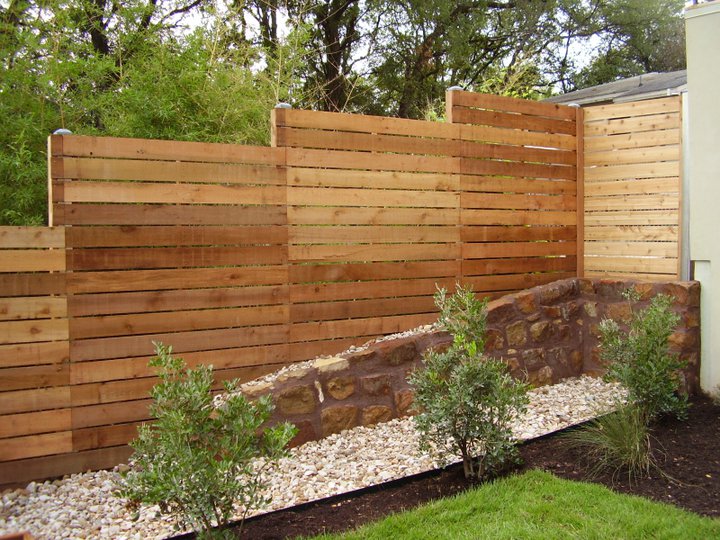
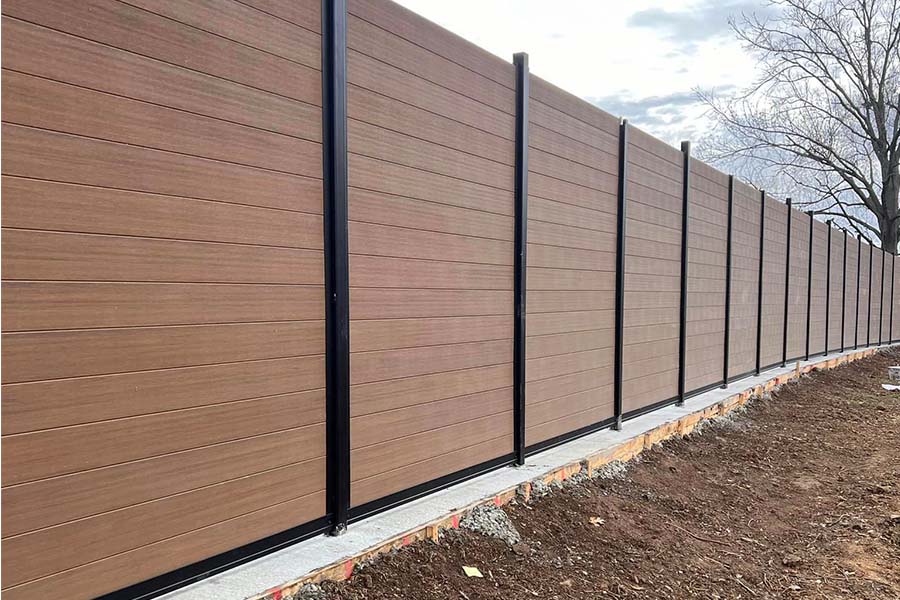
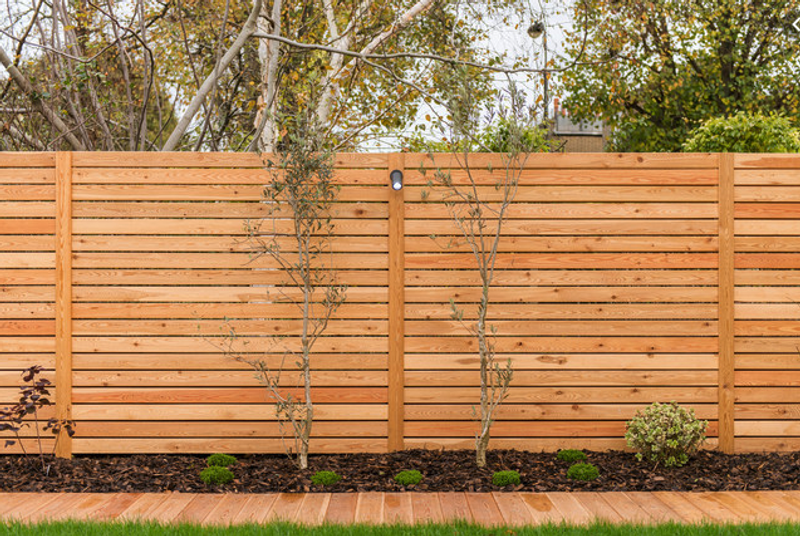
Privacy Fences: Solid panels in wood, vinyl, or composite, typically 6-8 feet, block sightlines completely. Styles like stockade (vertical boards) or horizontal slats provide modern twists. Great for backyards, but ensure ventilation to avoid wind damage.
Ornamental Fences: Aluminum or steel with intricate designs, 4-6 feet high, add elegance to modern or traditional homes. Spear or flat tops enhance security and style.
Split Rail or Ranch Fences: Open and rustic, 3-5 feet, perfect for large properties or rural aesthetics. Wood or vinyl rails contain livestock without obstructing views.
Chain Link Fences: Functional and affordable, 4-6 feet, with optional slats for privacy. Galvanized or vinyl-coated styles suit utilitarian needs but may lack curb appeal.
Match style to your home: Victorian houses pair with ornate pickets, while mid-century moderns favor clean horizontal lines. Consider maintenance—wood needs sealing, while aluminum requires none.
Navigating Local Regulations and HOA Rules
Height and style aren't just preferences—they must comply with local zoning laws. Most municipalities limit backyard fences to 6-8 feet and front to 3-4 feet, with requirements for openness in visible areas. Check building codes for setbacks, materials, and permits—violations can lead to fines or removal.
Homeowners associations (HOAs) often dictate styles, colors, and heights to maintain uniformity. For example, they may prohibit chain link in favor of wood or require earth tones. In historic districts, styles must align with architectural guidelines. Always verify with your local planning department or HOA before installation.
Budget and Material Considerations
Height and style affect costs—taller fences use more materials, increasing expenses by 20-30% per foot. Basic picket styles start at $15-25 per foot, while ornate privacy designs reach $30-50. Factor in durability: Vinyl or aluminum withstand weather better than wood, reducing long-term costs.
Balance budget with longevity—invest in quality for high-use areas. Get quotes from multiple installers to compare.
Practical Tips for Finalizing Your Choice
Visualize options with sketches or apps. Walk your property to assess views and sunlight. Consult professionals for site-specific advice, especially on slopes or soil types. Test heights by staking temporary markers.
Consider future needs—will you add a pool or garden? Scalable styles offer flexibility.
Conclusion: Crafting Your Ideal Fence
Choosing the right fence height and style boils down to purpose, aesthetics, regulations, and budget. A 6-foot privacy style suits most backyards, while lower decorative options enhance fronts. By aligning with your home's architecture and local rules, you'll create a functional, beautiful boundary. Ready to fence? Consult a local expert for personalized guidance—your perfect enclosure awaits.
