
Commercial Fence Financing Options
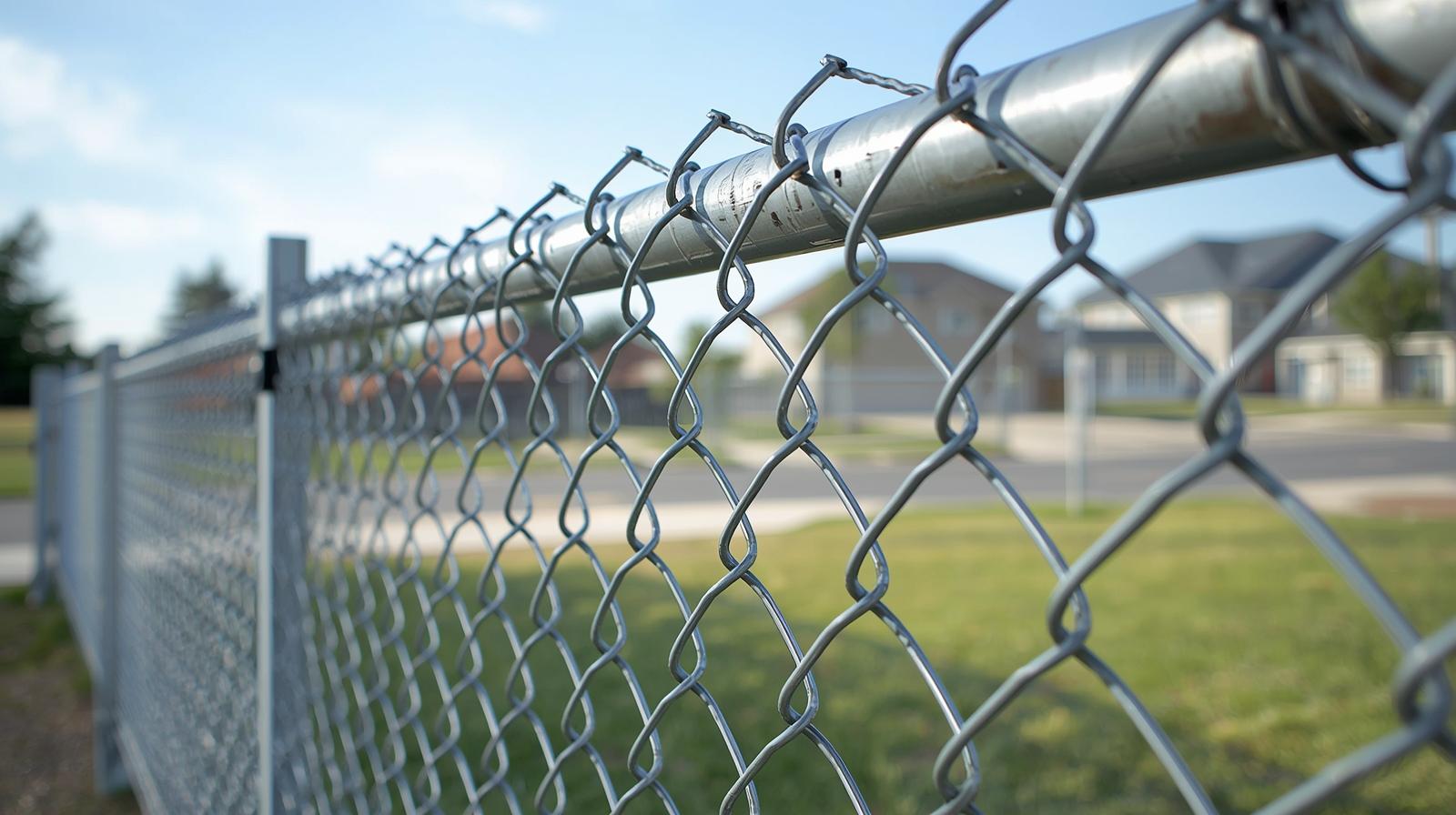
You’ve got the quote for your new commercial fence, and the sticker shock is real. That single number can make any business owner pause, but a large, upfront cost isn't your only path forward. Many smart business owners choose not to pay in full, treating financing as a strategic tool to protect their cash flow—the money needed for payroll, inventory, and daily operations. Considering alternatives isn't a sign of struggle; it’s a standard business decision.
Financing your fence frees up that cash for other immediate needs, like a new marketing campaign, extra inventory for your busy season, or a crucial equipment repair. A business fence installation loan allows you to get the security you need without sacrificing an opportunity to grow. Ultimately, this is about seeing your fence as an investment, not just an expense. A quality fence adds tangible value by improving security and boosting property appeal. Smart commercial fence project funding is simply a tool to acquire that asset without disrupting your business.
Your 3 Main Financing Options, Explained Simply
Understanding your choices is the next step. While there are many commercial fence financing options, they generally fall into three categories. Each works a little differently, catering to business priorities like speed, flexibility, or getting the lowest possible rate.
Here are the most common paths for funding your project:
In-House Financing: The fence company you hire offers you a payment plan directly. It’s built for convenience, like getting a payment plan for an appliance right at the store.
Term Loan: A classic loan from a bank or online lender. You receive a lump sum for the fence and pay it back in fixed monthly installments over a set period, just like a car loan.
Business Line of Credit: This works like a credit card for your business. You get approved for a maximum amount but only pay interest on what you use, offering the most flexibility.
Your best choice depends on what matters most. Are you looking for the simplest process, or are you willing to shop around for the best rate? Answering that will point you in the right direction.
Option 1: When to Choose In-House Financing From Your Installer
In-house financing is often the fastest way to get a project started. Because the fence installation financing is handled directly by your installer, the process is streamlined. You handle the contract and the payment plan in one conversation, making this the ultimate one-stop-shop approach for speed and simplicity.
That convenience, however, often comes with a trade-off. Think of it like a hotel minibar versus a grocery store—you pay a premium for easy access. The interest rates on these direct fence payment plans can be higher than what you might find by shopping around. The fence company’s service of arranging the loan is typically built into the cost.
This option is perfect if you need a fence immediately or if your time is too valuable to spend on separate loan applications. But if your top priority is securing the lowest possible interest rate, you’ll want more control over the process.
Option 2: How a Traditional Term Loan Gives You More Control
For business owners who prioritize getting the best deal over sheer speed, a traditional term loan puts you in the driver's seat. Instead of accepting a single offer, you can shop around for a business fence installation loan from different banks, credit unions, or online lenders. This empowers you to compare rates and terms, ensuring you find the most competitive financing available and genuinely low interest fence loans for businesses.
A term loan also provides predictability. You receive a lump sum to pay for the project, which you then pay back in equal monthly installments over a set period, like 3 or 5 years. This fixed payment makes budgeting simple, as you know exactly what your fence will cost each month without any surprises.
The trade-off is a bit more legwork upfront. You’ll need to apply and provide financial documents to compare offers from the best fence financing companies. That extra effort, however, often translates into significant savings. A term loan is best for a project with a fixed cost; if your scope might change, you may need a more adaptable solution.
Option 3: Using a Business Line of Credit for Maximum Flexibility
What if your project’s final cost is uncertain, or the fence is just one part of a bigger upgrade? A business line of credit offers one of the most flexible alternatives to upfront fence payment. Think of it less like a loan and more like a credit card for your business. You’re approved for a maximum amount but don’t have to take it all, creating a safety net of available funds.
The real power of this option is that you only pay interest on the money you actually draw from the account. If your fence costs $18,000, you only borrow and pay interest on that $18,000, leaving the rest untouched for future needs. This pay-as-you-go approach is perfect for managing cash flow when costs aren’t set in stone.
This makes a line of credit ideal for financing a perimeter security fence as part of a larger renovation. You can use it for the fence now, the landscaping next month, and new lighting after that, all from the same pool of funds.
The 3 Numbers to Compare: How to Choose the Best Loan Offer
Once you have a few loan offers, focus on three key numbers to find the best deal. The first and most important is the Annual Percentage Rate (APR). Think of it as the “all-in” price tag, because it includes the interest rate plus any fees. When searching for low interest fence loans for businesses, comparing by APR is the only way to see which one is truly cheapest.
Next, look at the loan term—the amount of time you have to repay the loan. A longer term (like 60 months) gives you a lower monthly payment, which is great for immediate cash flow. However, a shorter term (like 36 months) means you’ll pay less in total interest. This trade-off between a low monthly bill and a lower overall cost is the central decision you’ll have to make.
Finally, your monthly payment is the third critical piece. This number must fit comfortably within your company's budget. Ask yourself: what’s more important right now—the lowest possible monthly payment to preserve cash, or paying the project off faster to save on total interest?
Can You Finance a Security Fence with Bad Credit?
A less-than-perfect credit score doesn't automatically mean you can't get financing. While lenders consider your credit, they also review the overall health of your business. If your company has steady revenue, you have a good chance of getting approved, though likely at a higher interest rate.
One common path for those seeking bad credit fence financing for commercial properties is a secured loan. Unlike an unsecured loan based only on creditworthiness, a secured loan is backed by an asset your business owns (collateral). This reduces the lender's risk, making them more willing to offer you a loan.
Another powerful strategy is to offer a larger down payment. By paying more for the fence upfront—say, 20% of the total cost instead of 10%—you reduce the amount you need to borrow. This makes your application look much stronger and can be the deciding factor that gets you the funds you need.
Your Application Checklist: 4 Things to Have Ready
The security fence financing application process is more straightforward than you might think. Lenders mainly need to verify who you are and if your business can reliably make the payments. Gathering a few key documents beforehand will make the process faster and less stressful.
To get your commercial fence project funding approved quickly, have these items on hand:
Your Fence Quote: This shows the lender exactly how much you need and what it’s for.
Business Bank Statements: Typically the last 3-6 months, to demonstrate consistent cash flow.
Business Registration/License: Proves your company is a legitimate, operating entity.
Basic Owner Information: Your name, address, and Social Security Number for identity verification.
Your Next Step to a Secure, Funded Fence Project
What once felt like an overwhelming cost is now a manageable decision. You have a clear path to securing your property without draining your cash flow.
Your next step is simple. First, decide what matters most for your business right now: the fastest installation, the lowest total cost, or long-term flexibility. This choice will point you toward the right type of financing.
As you review offers, use the APR as your true north to compare the real cost of each option. This knowledge empowers you to move forward confidently, turning a necessary expense into a smart investment that adds security and value to your business for years to come.
