
Commercial Security Fence Requirements in Rockford
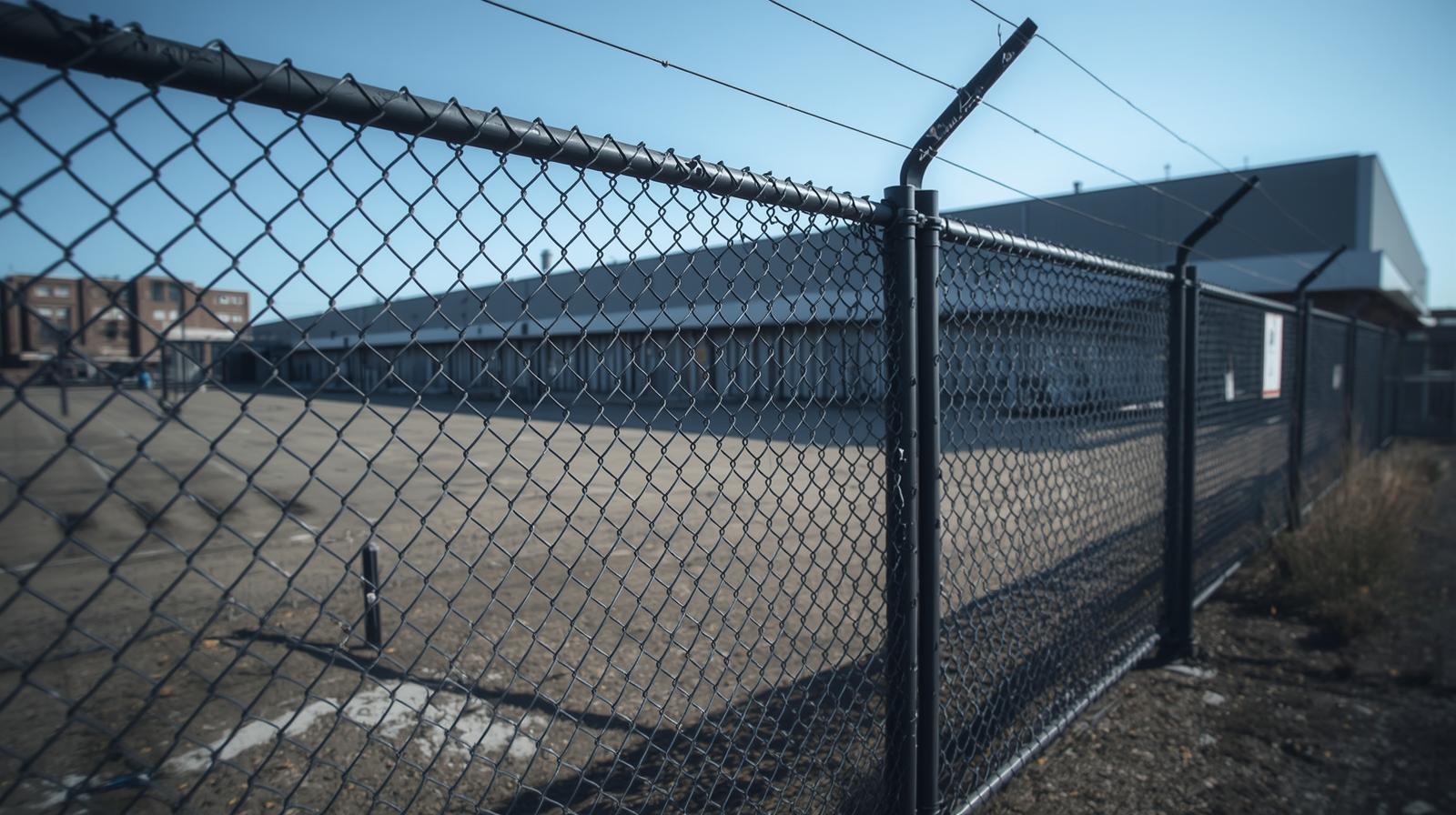
Security fencing is one of the most important physical safeguards a commercial property can invest in. Whether you manage a warehouse, manufacturing facility, retail center, apartment complex, school, or municipal property in Rockford, your fence system plays a direct role in liability protection, asset security, and code compliance.
But commercial fencing isn’t the same as residential fencing.
It must meet stricter standards for height, strength, access control, and safety. Poor installation or non-compliance can expose property owners to fines, lawsuits, and costly rework.
At Arrow Fence, we provide professional commercial fence installation and repair services throughout Rockford, northern Illinois, and southern Wisconsin. This guide explains the key commercial security fence requirements in Rockford and what business owners should consider before installation or replacement.
Why Commercial Fence Requirements Are Different
Unlike residential fencing, commercial security fencing must account for:
Public safety regulations
Controlled access points
Liability exposure
Insurance requirements
Municipal zoning codes
ADA accessibility considerations
A fence that simply “looks secure” may not meet city regulations or commercial safety standards.
Key Commercial Security Fence Requirements in Rockford
While exact regulations vary by zoning district and property type, here are the most common compliance factors business owners must address:
1. Fence Height Regulations
Commercial fence height often depends on zoning classification.
Typical requirements include:
6-foot minimum for standard commercial properties
8-foot or higher for industrial facilities
Additional height allowances for high-security environments
Improper height installation can result in code violations and mandated removal.
A professional contractor verifies zoning before installation begins.
2. Setbacks & Property Line Placement
Commercial fences must comply with:
Front-yard setback rules
Sight-line visibility at driveways
Sidewalk and alley clearance requirements
Improper placement can create safety hazards and trigger municipal citations.
Professional installers confirm property boundaries and ensure compliance before digging.
3. Access Control & Gate Standards
Security fencing isn’t complete without compliant gate systems.
Commercial gates may require:
Reinforced steel frames
Heavy-duty hinges
Self-closing or locking mechanisms
Electronic access control integration
Emergency access compliance
Gates are high-stress points and must be engineered differently than residential gates.
4. Anti-Climb & Security Enhancements
For high-security facilities, additional measures may be required:
Anti-climb mesh
Tighter chain link spacing
Privacy slats
Barbed wire or razor ribbon (where permitted by code)
Crash-rated barriers for certain industries
Professional contractors verify what enhancements are legally permitted in Rockford and surrounding Illinois municipalities.
5. Structural Integrity & Wind Load Standards
Commercial fencing must withstand:
Midwest wind exposure
Snow load and ice accumulation
Long-term soil shifting
Improper post depth or inadequate concrete footings can result in collapse—creating serious liability risks.
In northern Illinois, posts typically must be installed below the frost line (36–42 inches) for structural stability.
6. ADA & Safety Compliance
Fences surrounding commercial properties must not:
Obstruct required pedestrian pathways
Violate ADA width clearances
Create hazardous pinch points
Businesses are responsible for maintaining accessible entry and exit routes.
Common Commercial Fence Types in Rockford
Chain Link Security Fencing
Cost-effective perimeter security
Available in galvanized or vinyl-coated finishes
Can include barbed wire extensions
Most common for warehouses, industrial parks, and storage facilities.
Ornamental Steel Fencing
Strong, visually professional appearance
Often used for office buildings, schools, and multi-family housing
Can meet higher aesthetic standards
Provides security without sacrificing curb appeal.
Privacy & Composite Commercial Fencing
Used for dumpsters, service yards, and utility enclosures
Reduces visual exposure
Helps maintain professional appearance
The Commercial Fence Installation Process
A professional commercial fence project should follow a structured process:
Step 1: Site Evaluation & Risk Assessment
Contractors assess:
Vulnerable entry points
Terrain and soil conditions
Traffic flow patterns
Existing fence deficiencies
Lighting and surveillance integration
Security planning goes beyond installing panels—it addresses the entire perimeter strategy.
Step 2: Code & Permit Verification
Professional installers:
Confirm zoning requirements
Pull necessary permits
Coordinate utility locates
Review municipal restrictions
Skipping this step can delay projects and result in fines.
Step 3: Engineering & Material Selection
Commercial-grade materials differ from residential:
Heavier gauge steel
Thicker posts
Reinforced gate assemblies
Corrosion-resistant hardware
Cutting corners here leads to premature failure.
Step 4: Professional Installation
Proper installation includes:
Deep-set concrete footings
Accurate alignment and tensioning
Reinforced corner posts
Secure hardware installation
Structural integrity is non-negotiable in commercial fencing.
Step 5: Final Inspection & Compliance Review
Before project completion:
Gates are tested
Locking systems are verified
Fence line alignment is checked
Code compliance is confirmed
Documentation may be required for insurance or inspection purposes.
What Professionals Do Differently
Commercial fence installation requires expertise beyond basic construction.
What Professionals Do Differently
1. They Understand Local Rockford Zoning Codes
No guessing about height limits or security add-ons.
2. They Engineer for Wind & Frost Conditions
Midwest weather demands deeper posts and stronger materials.
3. They Reinforce Stress Points
Corners and gates are built to handle repeated use.
4. They Use Commercial-Grade Materials Only
Residential-grade fencing is not sufficient for commercial liability.
5. They Provide Transparent Contracts & Timelines
Clear communication reduces business disruption.
6. They Prioritize Safety & Liability Protection
Installation meets code and protects against future claims.
Common Misconceptions About Commercial Security Fencing
“Any Fence Is Better Than None.”
An improperly installed fence may provide false security and increase liability if it fails.
“Cheapest Bid Saves Money.”
Low bids often exclude permit handling, upgraded materials, or adequate post depth. Reinstallation costs more than doing it right the first time.
“Barbed Wire Solves Everything.”
Not all zoning districts allow it. Installation must comply with municipal regulations.
“We Don’t Need Permits for a Fence.”
Commercial properties almost always require review and approval.
Long-Term Durability & Liability Protection
Investing in professional commercial fence installation protects:
Inventory and equipment
Employee safety
Customer safety
Insurance compliance
Property value
A properly installed security fence system reduces risk, deters trespassing, and provides peace of mind.
Why Local Expertise Matters in Rockford
Rockford’s climate, soil conditions, and zoning codes require specialized knowledge.
A local commercial fence contractor understands:
Northern Illinois frost depths
Rockford commercial zoning districts
Wisconsin cross-border code variations
Industrial wind exposure considerations
Arrow Fence has experience serving commercial clients across Illinois and Wisconsin with installations built for Midwest durability.
Secure Your Property With Confidence
If you’re planning a new commercial security fence or replacing an existing system in Rockford, don’t risk compliance issues or structural failures.
Work with a qualified local fence contractor who prioritizes safety, durability, and code compliance.
Contact Arrow Fence today to schedule a commercial security fence consultation in Rockford and surrounding Illinois and Wisconsin communities.
We provide honest recommendations, professional installation, and long-term security solutions designed to protect your business.
