
Comparing Fence Materials for Rockford Property Owners
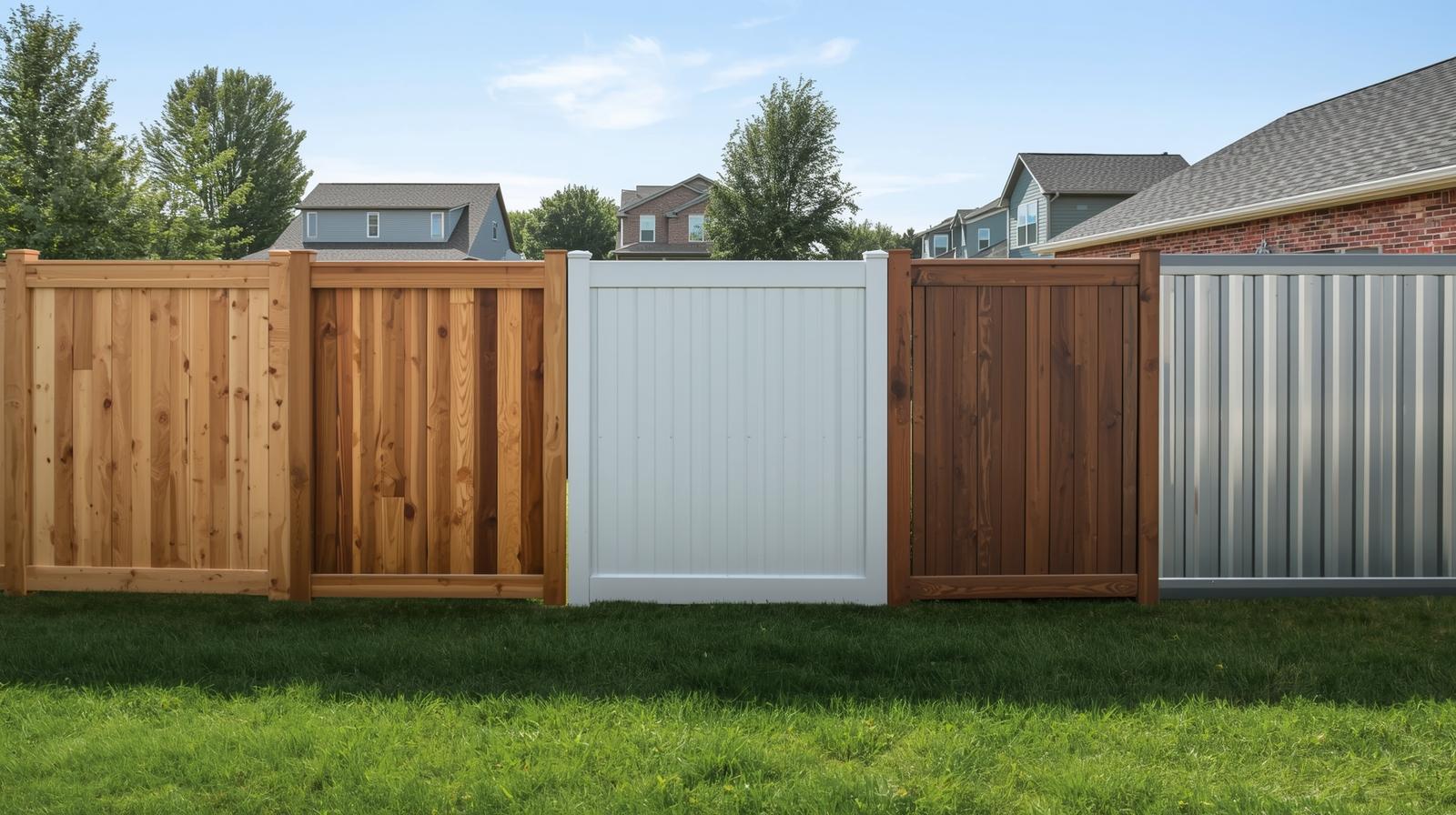
Choosing a fence is a big decision for any property owner in Rockford, Illinois. Whether you’re enclosing a backyard, securing a commercial lot, or adding curb appeal to your home, the material you choose plays a major role in how your fence looks, performs, and lasts over time.
Northern Illinois weather, clay-heavy soil, and neighborhood layouts all influence which fencing materials make the most sense. This guide breaks down the most popular options and helps you compare fence materials for Rockford property owners based on durability, maintenance, cost, and overall value.
Why Fence Material Matters in Rockford
Fences in Rockford face a wide range of environmental stress.
Local Conditions That Affect Fences
Freeze–thaw cycles that shift soil and posts
Heavy snow and ice buildup in winter
Wet spring seasons that saturate the ground
Hot, humid summers
Strong winds during seasonal storms
Some materials handle these conditions better than others. Choosing the right one can mean the difference between a fence that lasts decades and one that needs constant repair.
Wood Fencing: Traditional and Versatile
Wood is one of the most common fencing materials for residential properties in Rockford.
Pros of Wood Fencing
Classic, natural appearance
Highly customizable in height and style
Works well for privacy fencing
Often lower upfront cost than vinyl or composite
Cons of Wood Fencing
Requires regular staining or sealing
Susceptible to moisture, rot, and insects
Can warp or crack with temperature changes
How Wood Performs in Rockford
Pressure-treated pine and cedar are the best choices locally. With proper maintenance, wood fences can perform well in northern Illinois, but they demand more attention than most other materials.
Best for: Homeowners who value a traditional look and don’t mind routine maintenance.
Vinyl Fencing: Low Maintenance and Long-Lasting
Vinyl fencing has become increasingly popular with Rockford homeowners who want durability without ongoing upkeep.
Pros of Vinyl Fencing
Resistant to moisture and rot
Won’t warp or attract insects
Minimal maintenance beyond occasional cleaning
Consistent appearance year after year
Cons of Vinyl Fencing
Higher upfront cost than wood
Fewer customization options once installed
Can become brittle in extreme cold if low-quality materials are used
How Vinyl Performs in Rockford
Vinyl handles freeze–thaw cycles, humidity, and snow better than most materials. It’s especially well-suited for privacy fences in residential backyards.
Best for: Property owners seeking long-term value and minimal maintenance.
Aluminum Fencing: Decorative and Durable
Aluminum fencing offers a clean, elegant appearance with excellent weather resistance.
Pros of Aluminum Fencing
Rust-resistant
Lightweight but strong
Handles moisture and snow well
Ideal for sloped properties
Very low maintenance
Cons of Aluminum Fencing
Does not provide privacy
Higher upfront cost than chain link or basic wood
How Aluminum Performs in Rockford
Aluminum holds up extremely well in northern Illinois conditions. Because it allows airflow, it experiences less wind stress than solid panel fences.
Best for: Front yards, pools, decorative boundaries, and properties with slopes.
Chain Link Fencing: Functional and Cost-Effective
Chain link fencing is widely used for both residential and commercial properties.
Pros of Chain Link Fencing
Affordable
Durable and long-lasting
Low maintenance
Good for large properties and pet containment
Cons of Chain Link Fencing
Limited privacy
Industrial appearance (unless vinyl-coated)
How Chain Link Performs in Rockford
Galvanized or vinyl-coated chain link handles snow, rain, and humidity well. Posts must still be installed properly to manage soil movement.
Best for: Budget-conscious property owners, large yards, and commercial applications.
Composite Fencing: Premium Durability
Composite fencing combines wood fibers and recycled plastic for enhanced durability.
Pros of Composite Fencing
Resists moisture, rot, and insects
Minimal expansion and contraction
Wood-like appearance with less maintenance
Long lifespan
Cons of Composite Fencing
Higher upfront cost
Heavier materials may require stronger support
How Composite Performs in Rockford
Composite stands up well to moisture and temperature swings, making it a strong performer in northern Illinois climates.
Best for: Property owners wanting the look of wood with the durability of synthetic materials.
How Soil Conditions Affect Material Choice
Rockford’s clay soil can shift significantly with moisture changes.
Why This Matters
Even the best fencing material can fail if posts move. Proper installation below the frost line is critical for all fence types, especially heavier materials like composite.
Vinyl, aluminum, and chain link tend to show less visible damage from minor soil shifts compared to wood.
Maintenance Expectations by Material
Your lifestyle should influence your choice.
High-Maintenance Option
Wood: Requires regular staining, sealing, and inspections
Low-Maintenance Options
Vinyl: Occasional cleaning
Aluminum: Minimal upkeep
Chain link: Occasional rust prevention
Composite: Very little ongoing care
Choosing a fence that matches your willingness to maintain it helps prevent regret later.
Aesthetic Considerations
Different materials create different visual impressions.
Wood: Warm and traditional
Vinyl: Clean and modern
Aluminum: Elegant and decorative
Chain link: Functional and unobtrusive
Composite: Natural look with uniform appearance
Matching the fence to your home’s architecture improves curb appeal and long-term satisfaction.
Common Material Mistakes to Avoid
Choosing wood without planning for maintenance
Using low-grade vinyl that becomes brittle in winter
Installing heavy materials without proper post depth
Prioritizing price over long-term durability
Thinking long-term often leads to better overall value.
Which Fence Material Is Best Overall?
There’s no one-size-fits-all answer.
For Privacy and Low Maintenance
Vinyl and composite are top performers.
For Classic Appearance on a Budget
Wood can be a good option with proper care.
For Decorative Boundaries
Aluminum offers durability and style.
For Practical Enclosures
Chain link remains one of the most cost-effective solutions.
The best fence material depends on your goals, budget, and how much maintenance you’re willing to handle.
FAQs: Fence Materials in Rockford, IL
Which fence material lasts the longest?
Aluminum, vinyl, and composite typically have the longest lifespans in northern Illinois.
Is wood fencing a bad choice in Illinois?
No, but it requires more maintenance than other materials.
What’s the most affordable fencing option?
Chain link and basic wood fencing usually have the lowest upfront cost.
Does vinyl crack in cold weather?
High-quality vinyl is designed to handle cold, but cheaper materials may become brittle.
What material is best for privacy?
Wood, vinyl, and composite privacy fences provide the best screening.
Final Thoughts: Choosing the Right Fence Material in Rockford
Comparing fence materials isn’t just about appearance or cost—it’s about choosing a fence that can stand up to Rockford’s soil conditions and changing seasons. The right material will balance durability, maintenance, style, and long-term value.
If you’re weighing your options and want help deciding what fits your property best, Arrow Fence is a trusted local resource for residential and commercial fencing throughout the Rockford area. With experience across a wide range of materials and installations, a knowledgeable local team can help you select a fence designed to perform well in northern Illinois conditions for years to come.
