
Fall Fence Installation in Rockford, IL: What Homeowners Should Plan Before Winter
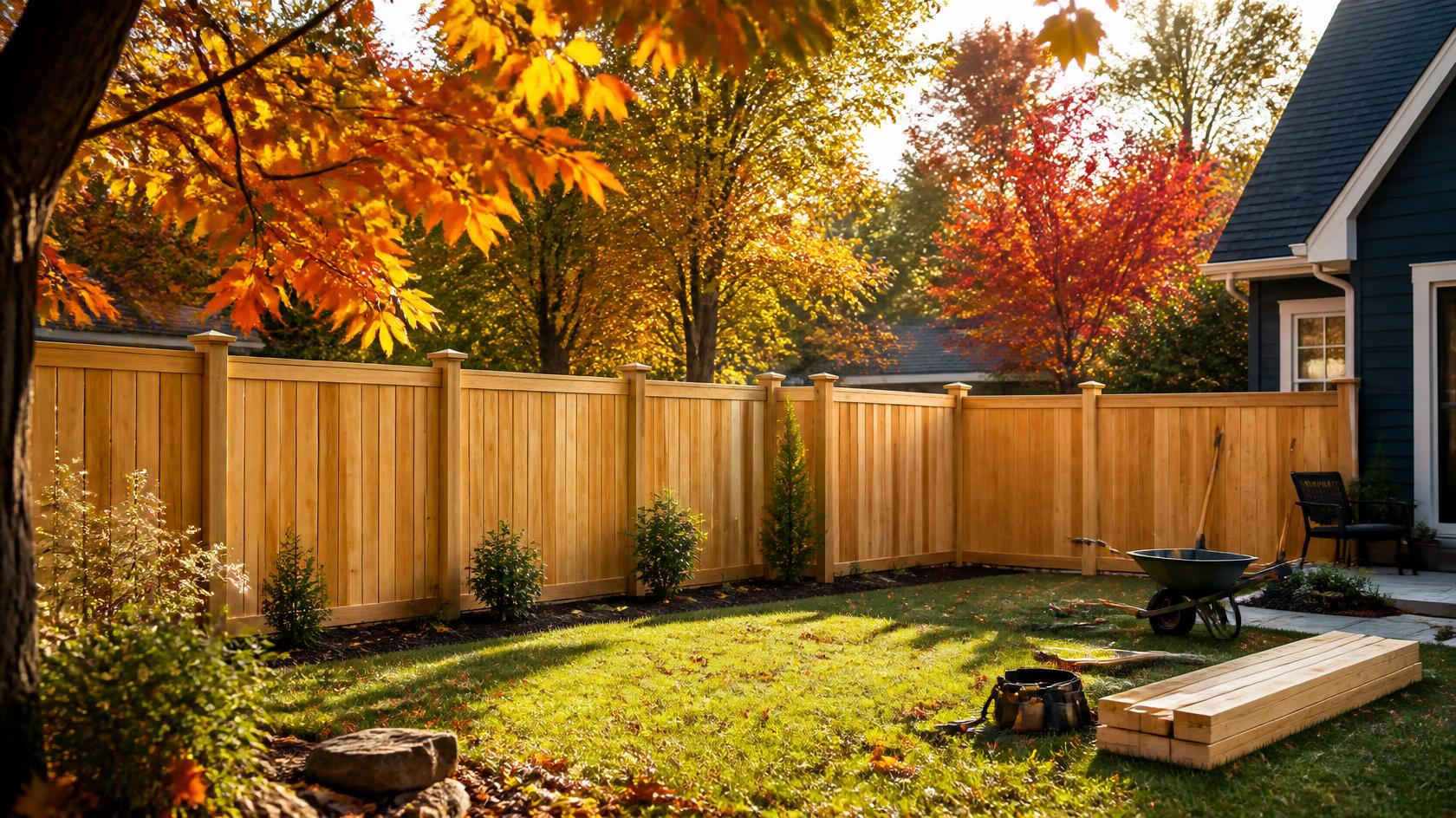
Fall can be a practical time to install a fence in Rockford, but planning matters more as colder weather approaches. Homeowners should confirm the fence layout, material, gates, property boundaries, drainage, pet needs, and site access early so the project is ready before winter conditions make outdoor work more difficult.
Why Fall Fence Planning Deserves Extra Attention
A fence installed in fall needs to be planned with the upcoming winter in mind.
Rockford homeowners may be trying to finish outdoor projects before colder temperatures, snow, and frozen ground arrive.
That makes it important to make key decisions early instead of waiting until installation begins.
Before moving forward, review:
Fence purpose
Material
Property boundaries
Gate locations
Yard access
Drainage
Slopes
Pets
Landscaping
Existing fence removal
Winter maintenance
A clear plan can help avoid last-minute changes.
Decide What the Fence Needs to Do
Start with the main reason for installing the fence.
Common goals include:
Backyard privacy
Pet containment
Child-friendly outdoor space
Property definition
Patio screening
Side-yard security
Better curb appeal
Garden protection
The purpose affects the material, height, gate layout, and amount of fencing needed.
A privacy fence around a patio may require a different plan than a long chain link boundary around a larger yard.
Choose the Fence Material Early
Material selection should happen before the project gets too far along.
Each option has different advantages.
Wood
Wood offers a natural appearance, strong privacy, and plenty of customization.
It works well for:
Backyards
Patios
Pet areas
Traditional homes
Homeowners should be prepared for periodic staining, sealing, and inspections.
Vinyl
Vinyl provides clean lines and consistent privacy with less routine surface maintenance.
It does not require regular painting, staining, or sealing.
Full-privacy vinyl can work well around:
Backyards
Side yards
Outdoor living areas
Pet spaces
Chain Link
Chain link is practical for:
Dogs
Larger yards
Side-yard enclosures
Long boundaries
It provides visibility and airflow but less privacy.
Aluminum
Aluminum works well where homeowners want:
Decorative appearance
Open views
Low routine maintenance
Defined landscaping areas
Pet owners should check picket spacing and ground clearance carefully.
Confirm Property Boundaries Before Installation
Fall is not the time to discover that the planned fence line is incorrect.
Before installation, homeowners should review:
Property markers
Surveys if available
Easements
Utility areas
Existing fence lines
Applicable local requirements
An old fence, hedge, or mowing pattern may not accurately show the legal property boundary.
Confirming the layout before posts are installed can help prevent future problems.
Plan Gate Locations Carefully
Gate planning is one of the most important parts of a fence project.
Think about how people and equipment move through the property.
A standard walk gate may be enough for everyday access, but wider gates may be needed for:
Riding mowers
Trailers
Landscaping equipment
Utility vehicles
Patio furniture
Construction materials
Measure the widest equipment that may need to pass through.
Wide gates also require stable posts and strong hardware to stay aligned.
Think About Winter Access
A gate that works well in summer should also work in winter.
Consider:
Snow accumulation
Shoveled walkways
Driveway access
Garbage container routes
Pet access
Snow-removal equipment
A gate placed in an area where snow naturally piles up may become less convenient during winter.
Planning the route now can make everyday access easier once snow arrives.
Prepare for Pet Containment
If the fence is being installed for dogs, fall planning should include more than fence height.
Consider whether the pet:
Jumps
Digs
Climbs
Reacts to pedestrians
Chases wildlife
Rushes gates
Solid wood or vinyl can help block outside views.
Chain link may work well for dogs that do not need visual screening.
Regardless of material, check:
Gate security
Ground clearance
Latch placement
Post stability
Low spots
Winter ground movement and spring snowmelt can create new gaps, so these areas should remain easy to inspect.
Review the Yard for Slopes
Uneven ground affects how the fence will be installed.
Depending on the material and design, sections may be:
Stepped
Installed to follow the grade more closely
Slope planning is especially important near gates and pet areas.
Large gaps under a fence can reduce security and create an unfinished appearance.
Identify elevation changes before installation begins.
Check Drainage Before the Ground Freezes
Drainage problems can affect any fence.
Look for:
Low spots
Areas that hold water
Downspout discharge
Runoff paths
Erosion
Soft soil
Heavy fall rain and spring snowmelt can wash soil away from posts or create gaps beneath fencing.
The fence should work with the natural movement of water across the property rather than blocking it.
Plan Around Leaves and Landscaping
Fall projects often happen while trees and landscaping are changing.
Before installation, trim or move anything that may interfere with the fence line.
This may include:
Overgrown shrubs
Low branches
Decorative edging
Garden structures
Vines
Raised beds
Leave enough space around the fence for future:
Mowing
Cleaning
Repairs
Staining
Inspections
For wood fencing, good airflow around the boards can also help reduce prolonged moisture exposure.
Decide Whether an Existing Fence Must Be Removed
If an old fence is already in place, decide what should happen to it before the new installation.
Inspect:
Posts
Panels
Rails
Gates
Hardware
Footings
In some cases, isolated sections may be repairable.
Replacement may make more sense when:
Multiple posts are failing
Sections are leaning
Boards or panels are heavily damaged
Gates repeatedly lose alignment
The layout no longer works
A fall replacement project is also an opportunity to improve the gate locations or fence line.
Plan for Shorter Daylight Hours
Fall brings shorter days.
Homeowners can help make the project easier by keeping the work area accessible.
Before installation:
Move outdoor furniture
Remove toys
Clear garden hoses
Relocate planters
Move stored equipment
Keep gates and driveways open
A clear work area can make the installation process more efficient and reduce obstacles around the fence line.
Consider How the Fence Will Handle Winter Wind
Solid privacy fencing catches more wind than open fence styles.
This is especially important for:
Full-privacy vinyl
Solid wood
Privacy screens
Chain link with slats
Stable posts and proper installation matter throughout the year, but winter storms can put additional pressure on solid sections.
More open styles may be appropriate in areas where full screening is not necessary.
Prepare Wood Fencing for Cold Weather
If you choose wood, understand that the material will continue responding to moisture and temperature changes.
Homeowners should periodically inspect for:
Loose boards
Cracks
Splinters
Worn finishes
Moisture damage
Gate movement
Avoid allowing wet leaves and debris to remain piled against the bottom of the fence.
Protective finishing needs depend on the wood and existing surface condition.
Prepare Vinyl Fencing for Winter
Vinyl requires less routine surface maintenance, but it still needs seasonal inspection.
Homeowners should check:
Posts
Rails
Panel connections
Gates
Hardware
Vinyl can become less flexible during severe cold.
Avoid hard impacts against frozen panels from shovels, vehicles, equipment, or snow-removal tools.
Check Chain Link and Aluminum Before Winter
Chain link should be checked for:
Mesh tension
Bent sections
Loose hardware
Gate alignment
Post stability
Aluminum fencing should be inspected for:
Loose components
Gate issues
Damaged sections
Ground movement
Both materials can be relatively easy to maintain when small issues are handled early.
Think About Snow Removal
Fence placement can affect how easy it is to clear snow.
Consider where snow from:
Driveways
Walkways
Patios
Parking areas
will be pushed or piled.
Repeatedly pushing heavy snow directly against a fence can add unnecessary pressure.
Allow enough room for snow removal equipment and avoid creating narrow areas that will be difficult to clear.
Plan for Spring Conditions Too
A good fall fence plan should account for what happens after winter.
When snow melts, homeowners may notice:
Erosion
Soil movement
Mud
New ground gaps
Gate changes
Low areas and drainage paths should remain easy to inspect.
Spring is also a good time to recheck post stability and hardware after freeze-thaw cycles.
Review the Full Plan Before Work Begins
Before installation, confirm:
Fence material
Fence style
Fence height
Property boundaries
Gate locations
Gate widths
Pet needs
Drainage
Slopes
Landscaping
Existing fence removal
Equipment access
Making these decisions in advance can reduce delays and last-minute changes as winter approaches.
Request a Free Fall Fence Estimate
Arrow Fence helps Rockford homeowners plan fall fence projects for privacy, pets, backyard use, side yards, and property boundaries.
Whether you are considering wood, vinyl, chain link, aluminum, fence replacement, repairs, or new gates, Arrow Fence can help you compare practical options for your property before winter.
Contact Arrow Fence at arrowfencerockford.com to request a free estimate for your fall fence installation.
