
Fall Fence Installation in Sycamore, IL: Materials That Work Well in Midwest Weather
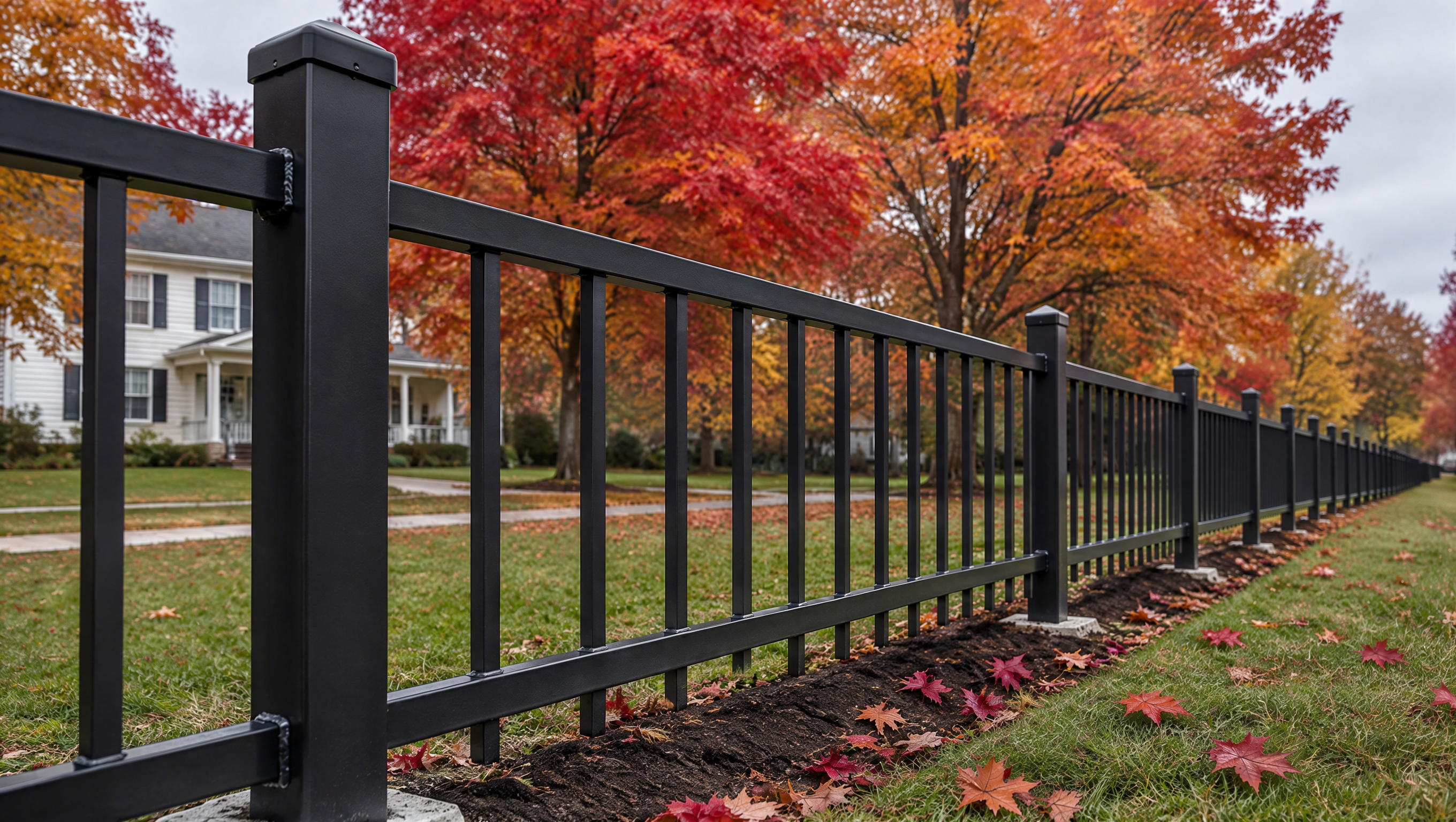
Fall fence installation in Sycamore requires materials and layouts that can handle Midwest rain, wind, snow, ice, and freeze-thaw cycles. Wood, vinyl, chain link, and aluminum can all work well when installed correctly, but each has different strengths for privacy, maintenance, pets, airflow, and winter conditions.
Why Fall Material Choice Matters
A fence in Sycamore needs to perform through more than one season.
Fall installation quickly leads into conditions that may include:
Cold rain
Strong wind
Snow
Ice
Frozen ground
Repeated freeze-thaw cycles
The best fence material is not simply the one that looks good in October or November.
It should also match the property, maintenance preferences, and way the yard will be used throughout the year.
Wood Offers Flexibility and Natural Privacy
Wood remains a popular choice for homeowners who want a traditional appearance and flexible design options.
Common styles include:
Solid vertical
Board-on-board
Shadowbox
Horizontal fencing
Solid wood can provide strong backyard privacy, while shadowbox designs allow more airflow.
Wood also works well when a property has an unusual layout because individual boards and sections can often be adjusted to fit the site.
How Wood Handles Midwest Weather
Wood can perform well in Sycamore when it is maintained properly.
Fall and winter conditions can expose it to:
Moisture
Snow accumulation
Freeze-thaw changes
Wind
Homeowners should periodically inspect wood for loose boards, damaged rails, rot, and post movement.
Keeping wet leaves and debris away from the fence base can also help reduce prolonged moisture exposure.
Wood Finishing May Need Separate Timing
Installation and finishing do not always happen at the same time.
If a wood fence is installed during colder or wetter fall weather, staining or sealing may need to wait until conditions are suitable for the chosen product.
Homeowners should ask about recommended timing rather than assuming the fence must be finished immediately after installation.
Structural installation and surface finishing should be treated as separate considerations.
Vinyl Provides Clean Privacy With Less Surface Upkeep
Vinyl is a strong option for homeowners who want a clean appearance and reduced routine surface maintenance.
It can be used for:
Full privacy
Semi-private layouts
Decorative fencing
Pet containment
Vinyl does not require routine painting, staining, or sealing.
That can make it appealing to homeowners who prefer less ongoing surface care.
Consider Cold Weather With Vinyl
Vinyl can handle seasonal weather well, but severe cold may make the material less flexible.
Homeowners should avoid hard winter impacts from:
Snowblowers
Shovels
Vehicles
Yard equipment
Posts and gates should also be inspected periodically because soil movement can affect alignment regardless of the fence material.
Proper installation and stable support are especially important for long privacy sections.
Full-Privacy Vinyl Needs Wind Planning
Solid vinyl panels catch more wind than open fence styles.
This matters on exposed Sycamore properties.
Pay extra attention to:
Long fence runs
Corners
End posts
Gate posts
If maximum privacy is not necessary everywhere, semi-private vinyl or a mixed-material layout may allow more airflow.
Chain Link Is Practical for Larger Yards
Chain link can be a good fit for homeowners who prioritize:
Pet containment
Larger properties
Long fence lines
Open visibility
Airflow
Because the mesh is open, wind can move through the fence more easily than through a solid privacy system.
That can be useful on exposed properties.
Black vinyl-coated chain link can also provide a more subtle appearance around lawns and landscaping.
Check Chain Link Framework Before Winter
Chain link still depends on stable posts, rails, and tension.
Before winter, homeowners should watch for:
Loose mesh
Bent top rails
Leaning terminal posts
Gate alignment problems
If snow or wind exposes a weak connection, a small problem can spread along the fence line.
Routine checks can help catch these issues early.
Aluminum Works Well for Open, Decorative Areas
Aluminum is another option for homeowners who want an open fence with a more decorative appearance.
It can work well near:
Landscaping
Front-facing areas
Gardens
Open backyard boundaries
Aluminum does not provide strong privacy, but it preserves views and airflow.
It also avoids the regular staining or sealing associated with wood.
Aluminum and Winter Conditions
Because aluminum is open, it generally catches less wind than solid privacy fencing.
Homeowners should still inspect:
Posts
Connections
Gates
Picket alignment
Ground movement can shift any fence system.
If pets use the yard, check picket spacing and ground clearance carefully, especially on slopes.
Think About Privacy Before Choosing the Material
Privacy is one of the biggest differences between fence materials.
For stronger screening, consider:
Solid wood
Board-on-board wood
Full-privacy vinyl
For partial privacy and more airflow, consider:
Shadowbox wood
Semi-private vinyl
For open visibility, consider:
Chain link
Aluminum
The right choice depends on where privacy is actually needed.
Match the Fence to Your Dog
Pet owners should consider behavior as well as material.
Solid wood or vinyl may help dogs that react strongly to:
Pedestrians
Neighboring pets
Wildlife
Passing vehicles
Chain link or aluminum may work well for calmer dogs that do not need visual screening.
Regardless of material, check:
Fence height
Gate security
Bottom gaps
Digging areas
A secure layout matters more than material alone.
Drainage Is Important for Every Fence Type
A weather-resistant material cannot solve poor ground conditions by itself.
Before fall installation, inspect the proposed fence line after rain.
Look for:
Standing water
Erosion
Soft soil
Low spots
Downspout runoff
Water can reduce soil support around posts and contribute to future leaning or gate problems.
Drainage should be considered before the fence is installed.
Slopes Can Affect Material Choice and Layout
Uneven yards require careful planning.
Depending on the fence system, sections may need to be stepped or installed to follow the grade more closely.
Slopes can affect:
Appearance
Ground gaps
Gate placement
Pet containment
Wood can offer flexibility on irregular terrain, while vinyl and aluminum systems may require more deliberate section planning.
The best approach depends on the specific property.
Gates Need Extra Attention in Fall
Gates are one of the most active parts of any fence.
Before installation, decide:
Where gates should go
How wide they need to be
Which direction they should swing
How they will work during snow season
Wide gates may need stronger support.
Frequently used gates should also be positioned away from areas where snow is normally piled.
Consider Snow Removal Before Finalizing the Layout
A fence can work well in summer and still become inconvenient in winter.
Think about:
Shoveled pathways
Snowblower routes
Snow storage areas
Driveway access
Avoid placing gates where snow regularly accumulates.
Homeowners should also avoid pushing large snow piles against weak fence sections once winter begins.
Fall Installation Depends on Ground Conditions
Fall can still be a practical time for fence installation in Sycamore when the ground remains workable.
However, weather can affect scheduling.
Possible challenges include:
Heavy rain
Saturated soil
Early snow
Freezing conditions
These factors do not automatically rule out installation, but they may affect when certain work can proceed.
Having the layout, material, gates, and site preparation decided in advance can help reduce unnecessary delays.
Which Material Works Best for Your Yard?
Choose wood if you want natural character, strong privacy, and design flexibility.
Choose vinyl if you want consistent screening with less routine surface maintenance.
Choose chain link if you need practical containment, airflow, and long fence runs.
Choose aluminum if you want an open, decorative boundary with straightforward upkeep.
Some properties benefit from combining materials instead of using one fence type everywhere.
Prepare the Yard Before Installation
Before the project begins, homeowners can help by:
Clearing the fence line
Removing leaves and debris
Trimming vegetation
Checking drainage
Confirming gate locations
Planning for pets
Reviewing equipment access
These steps help the contractor evaluate the actual conditions before posts and panels are installed.
Request a Free Fall Fence Estimate
Arrow Fence helps Sycamore homeowners plan fall fence installation around Midwest weather, privacy, pets, maintenance preferences, and everyday yard access.
Whether you are considering wood, vinyl, chain link, aluminum, or a mixed-material layout, Arrow Fence can help you compare practical options for your property.
Contact Arrow Fence at arrowfencerockford.com to request a free estimate for your fence project.
