
Fence Cost Planning in Roscoe, IL: Materials, Gates and Yard Layout
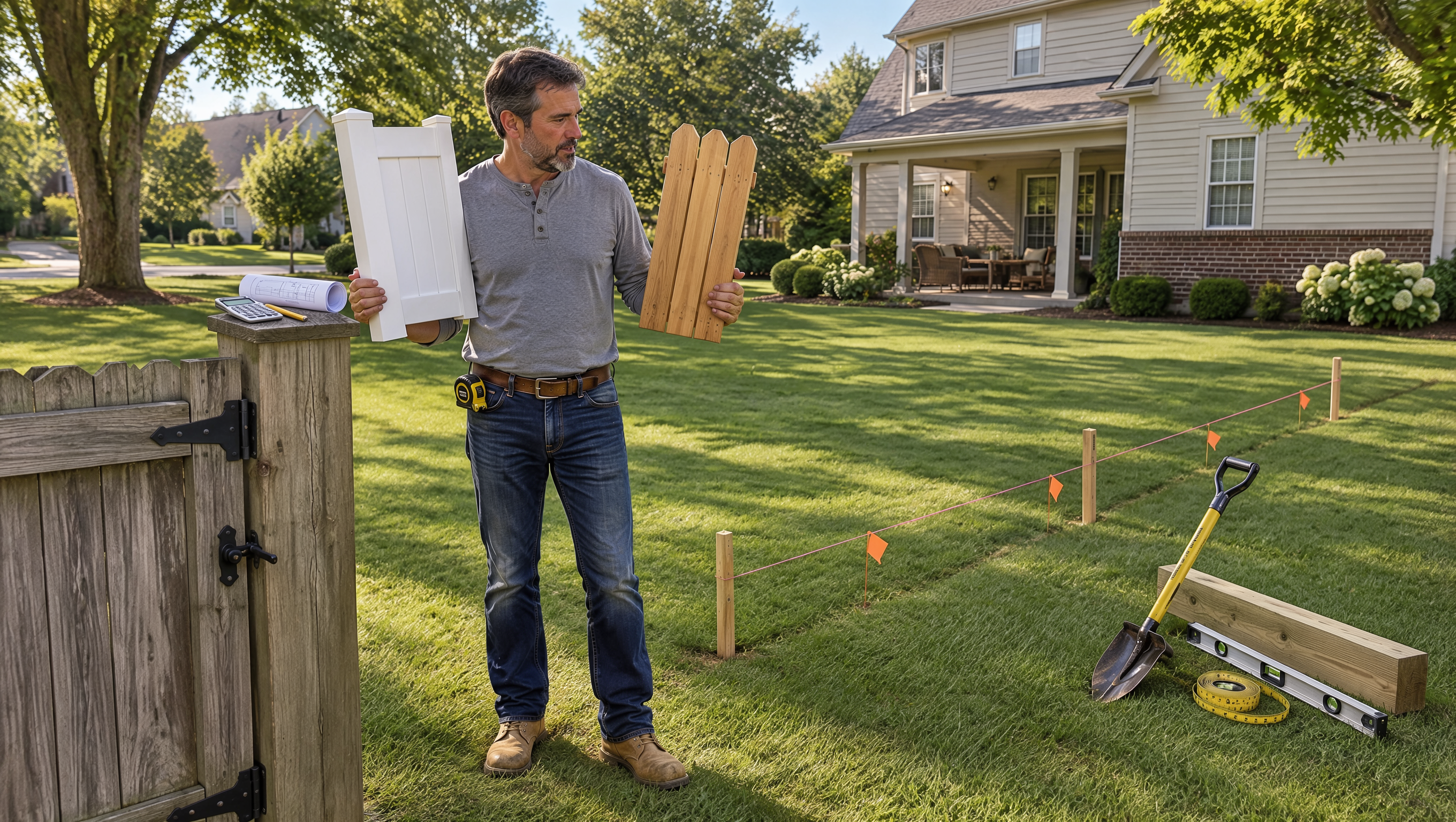
Fence cost planning in Roscoe starts with more than choosing a material. Total footage, fence height, gate size, yard shape, slopes, drainage, removal work, and site access can all affect the final project scope. Homeowners can get a clearer estimate by deciding how the yard will be used before comparing quotes.
Start With the Purpose of the Fence
Before setting a budget, decide what the fence needs to accomplish.
Common goals include:
Backyard privacy
Pet containment
Property definition
Patio screening
Equipment access
These priorities influence material, height, total footage, and gate placement.
A privacy project may require more solid material, while a large pet area may work well with a more open fence.
Material Choice Changes the Project
Wood, vinyl, chain link, and aluminum all have different installation and maintenance considerations.
Wood
Wood offers a natural appearance and flexible design options.
Popular styles include:
Solid vertical
Board-on-board
Shadowbox
Horizontal fencing
More detailed privacy designs may use additional boards or framing.
Wood also requires more routine maintenance over time than some other materials.
Vinyl
Vinyl provides consistent screening with less routine surface maintenance.
Project scope can vary based on:
Full-privacy panels
Semi-private designs
Fence height
Gate size
Reinforcement
Vinyl does not require regular staining or sealing.
Chain Link
Chain link can be practical for:
Dogs
Larger yards
Long boundaries
Open visibility
Height, coating, gate size, and optional privacy additions can affect the project.
Aluminum
Aluminum creates an open, decorative boundary.
It may work well near landscaping or areas where homeowners want to preserve views.
Design, height, and gate quantity can all influence the estimate.
Total Footage Has a Major Effect
Fence length directly affects material and labor needs.
Additional footage generally means more:
Posts
Rails
Boards or panels
Hardware
Before requesting estimates, decide whether the entire yard needs fencing.
Some Roscoe homeowners may only need fencing around:
A backyard
Pet area
Patio
One property boundary
A more targeted layout may reduce unnecessary footage.
Fence Height Should Match the Goal
Height affects both function and material use.
Consider whether the fence is mainly intended for:
Privacy
Dogs
Property definition
Decorative use
A taller fence may provide more screening, but it can also increase material requirements and wind exposure.
Applicable local requirements should be reviewed before the final height is selected.
Gates Can Change the Budget Quickly
Gates require more than an opening in the fence.
Each gate typically involves:
Support posts
Hinges
Latches
Framing
Additional installation work
Homeowners should decide early how many gates are really necessary.
Gate Width Matters
A standard walk gate is different from a wide opening designed for equipment.
Larger gates may be needed for:
Riding mowers
Trailers
Landscaping equipment
Wider openings generally need stronger posts and hardware.
Measure equipment before choosing gate width so you do not pay for an opening that is larger than necessary or end up with one that is too small.
Yard Shape Can Affect the Layout
A simple rectangular yard usually requires fewer corners and transitions.
A more complex property may include:
Multiple direction changes
Narrow side yards
Patios
Sheds
Retaining walls
Trees
Every corner or change in direction can affect post placement and material quantities.
That is why two yards with similar square footage can have very different fencing needs.
Slopes Add Planning
Uneven terrain can make installation more involved.
Depending on the fence system, sections may need to be:
Stepped
Installed to follow the grade more closely
Slopes can also affect gate placement and ground clearance.
For homes with dogs, gaps created by changing terrain should be considered before installation.
Drainage Can Affect the Scope
Water problems should be identified before new posts are installed.
Look for:
Standing water
Erosion
Downspout runoff
Soft soil
Low areas
Poor drainage can contribute to post movement and gate alignment problems.
If drainage work is needed, it may become part of the overall project scope.
Existing Fence Removal Can Add Cost
Replacement projects usually include more work than new installations on an open yard.
The existing fence may require removal of:
Boards or panels
Posts
Gates
Hardware
Concrete footings
Ask whether hauling, disposal, and cleanup are included in the estimate.
One quote may look lower simply because these items are excluded.
Site Access Can Affect Labor
Think about how materials and equipment will reach the fence line.
Installation can be more involved when the property has:
Narrow side yards
Tight gate openings
Dense landscaping
Patios
Sheds
Restricted access may require more manual handling.
This is one reason an on-site estimate is useful for understanding the actual project.
Landscaping Can Change the Plan
Trees, shrubs, garden beds, and decorative edging may interfere with the proposed fence line.
Possible adjustments may include:
Trimming vegetation
Shifting post locations
Moving a fence line slightly
Clearing access areas
Large roots can also affect where posts can reasonably be placed.
Discuss these conditions before the final estimate is approved.
Privacy Does Not Have to Cover Every Side
If privacy is only needed near a patio or neighboring property, homeowners may not need solid fencing everywhere.
A mixed layout could use:
Wood or vinyl for privacy
Chain link in a larger pet area
Aluminum near landscaping
This can balance appearance, function, and overall material use.
Think About Maintenance as Part of Cost Planning
The initial installation is only part of long-term ownership.
Wood
May require periodic staining, sealing, board repair, and moisture checks.
Vinyl
Generally needs cleaning and inspections of posts, rails, gates, and hardware.
Chain Link
May need mesh tension, rail, or gate adjustments.
Aluminum
Typically needs routine checks of posts, connections, and gates.
A lower-maintenance material may appeal to homeowners who prefer less ongoing upkeep.
Fall and Winter Access Matter Too
If the fence is being planned late in the year, consider where snow will be moved.
Gate locations should work with:
Shoveled paths
Snowblower routes
Snow storage areas
A gate that becomes blocked every winter can make an otherwise good layout frustrating.
Planning for seasonal use costs nothing but can make the finished fence much more practical.
Compare Quotes Using the Same Scope
Before choosing an installer, confirm that each estimate includes the same general project.
Compare:
Material
Fence height
Total footage
Number of gates
Gate widths
Existing fence removal
Site preparation
Cleanup
Disposal
The lowest total does not always represent the same amount of work.
Questions to Ask Before Finalizing the Budget
Before moving forward, ask:
Which material fits my goals?
How much fencing do I actually need?
What height makes sense?
How many gates are necessary?
What gate widths are included?
Are slopes or drainage concerns present?
Is old fence removal included?
Who handles site preparation?
Is cleanup included?
Clear answers make it easier to understand where the project budget is going.
Request a Free Fence Estimate
Arrow Fence helps Roscoe homeowners plan fencing around privacy, pets, yard access, landscaping, and long-term maintenance.
Whether you are considering wood, vinyl, chain link, aluminum, replacement, or a new installation, Arrow Fence can help you compare practical options based on your property and project goals.
Contact Arrow Fence at arrowfencerockford.com to request a free estimate for your fence project.
