
Fence Financing Options in Wisconsin
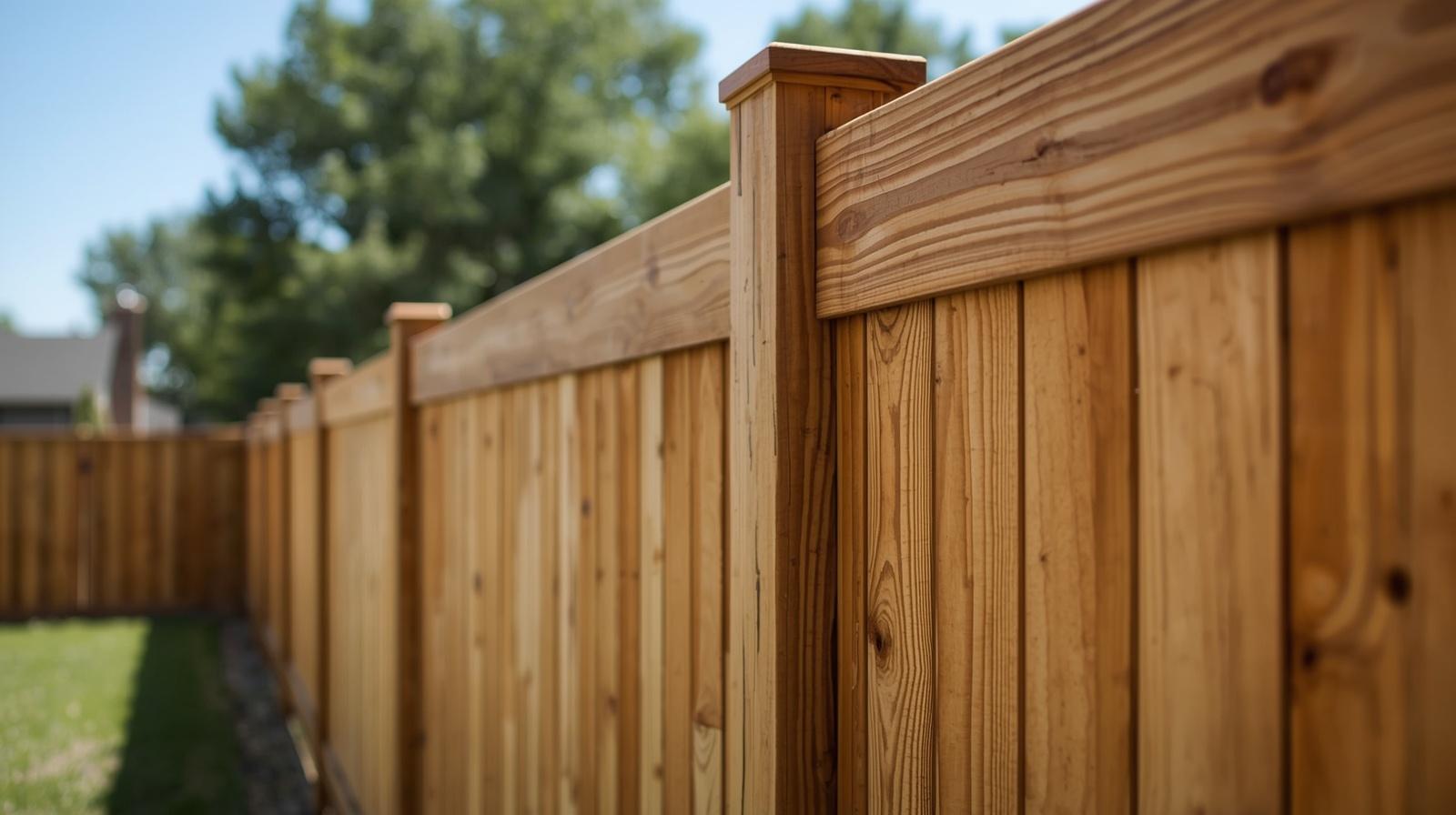
You’ve picked out the perfect privacy fence. It’s going to give you a beautiful, secure backyard for your family and pets. Then the quote arrives, and the number is bigger than you expected. This sticker shock is common for Wisconsin homeowners, but it doesn’t have to put your dream on hold.
Paying for that fence is more manageable than you think. Most financing options fall into three categories: payment plans from your installer, a personal loan from a bank, or using the equity you’ve built in your home. This guide will help you compare them without confusing jargon so you can move forward with a budget that works for you.
What Comes First: The Fence Quote or The Loan?
It’s a classic chicken-or-the-egg question for homeowners: do you secure financing first, or get your fence quote? For a smooth process, always get a detailed quote before you seek a loan. Approaching a lender without a project cost is like asking for a car loan without knowing the car's price—you need a specific number to aim for.
Knowing your exact cost makes you a stronger, more prepared applicant. When you ask to pre-qualify for a fence loan, providing a specific dollar amount shows lenders you are serious and have done your homework. This helps you avoid borrowing too much or, even worse, not enough to cover the final bill.
Before talking to any lender, get a written quote from your chosen fence installer. A good quote should clearly list:
The total installed cost, including labor, materials, and any fees.
An estimated project timeline from start to finish.
The company’s accepted payment methods or any in-house payment plans.
With this document, you can confidently find the right financing.
The Simplest Path: Does Your Fence Company Offer Financing?
Many local fence companies can arrange financing directly for you. This “in-house financing” is often the fastest way to get your project started. Similar to a furniture store’s payment plan, you handle the fence and the payments all in one place, saving you a separate trip to the bank.
You'll often see tempting offers for 0% APR fence financing. This is a promotional deal where you pay no interest for a set period, like 12 or 18 months. While these can be fantastic, you must ask one critical question: What is the interest rate after the promotion ends? A great deal can become expensive if a high rate kicks in on your remaining balance.
Ultimately, in-house financing trades maximum convenience for potentially higher long-term costs. If the company’s terms are clear and the rate is competitive, it can be the perfect solution.
The Most Common Choice: Using a Personal Loan for Your Fence
If the fence company's financing doesn't fit your budget, a personal loan from a bank, credit union, or online lender is a popular alternative. These are typically unsecured loans, meaning the loan isn't tied to your house as collateral. Because your home isn’t on the line, many people find this to be a less risky choice for funding outdoor projects.
One of the biggest advantages of this route is stability. Most personal loans are fixed-rate loans, so your interest rate and monthly payment are locked in for the entire life of the loan. This predictability makes managing your household budget much simpler.
To compare different offers, look at the Annual Percentage Rate (APR), which includes the interest rate plus any fees. Your credit score is the most important factor in securing a low APR, making it the key to finding the best way to pay for a privacy fence affordably.
Using Your Home's Value: Home Equity Loans and HELOCs
For homeowners who have been paying their mortgage for a while, home equity can be a powerful tool for securing the lowest possible interest rates. Equity is the portion of your home's value that you truly own—its current market value minus what you still owe. If your Wisconsin home is worth $300,000 and you owe $200,000, you have $100,000 in equity you may be able to borrow against.
This equity can be tapped with a secured loan, structured as a home equity loan (a one-time lump sum) or a Home Equity Line of Credit (HELOC). A HELOC is a more flexible option that works like a credit card, giving you a credit limit to draw from as needed, making it a great home improvement loan for fencing and other projects.
These options offer attractive rates because your home acts as collateral. This reduces the bank's risk, so they reward you with a lower interest rate. When comparing a personal loan vs. HELOC for a fence, the potential long-term savings is the biggest advantage of using your home’s value, making it an excellent alternative to in-house financing.
However, using your home as collateral is a serious commitment, as the lender could foreclose if you fail to make payments. These loans also typically require strong credit and a good amount of equity built up.
What If My Credit Isn't Perfect? Fence Financing for All Scores
A common worry for homeowners is whether their credit score is high enough to get a loan. The good news is that you don’t need a perfect score. Lenders use risk-based pricing, meaning a lower score usually results in a higher APR, not an automatic rejection.
Even with a challenging credit history, you have paths to explore for bad credit fence financing. A great first step is often local.
Talk to Wisconsin Credit Unions: As community-focused institutions, they can sometimes be more flexible with lending criteria than large national banks.
Consider a Secured Loan: If you have a savings account or a vehicle you own, you may be able to use it as collateral for a secured personal loan, which can help you get approved with a better rate.
Improving your score even slightly before applying can unlock more affordable fence payment options and save you hundreds in interest.
Your 3-Step Plan to Getting Your Wisconsin Fence Financed
The large number on your fence quote no longer needs to be a roadblock. You are equipped to weigh the trade-offs between the convenience of in-house financing, the simplicity of a personal loan, and the low rates of using home equity. To move forward, simply follow this plan:
Get Fence Quotes: Secure 2-3 detailed estimates for the installation.
Compare Financing: Explore at least two options, like the installer’s plan versus a personal loan you can pre-qualify for.
Choose Your Offer: Use an online fence financing calculator to compare monthly payments and total costs, then pick your best fit.
By following these steps, you're not just financing a fence; you're making a smart, confident investment in your home.
