
Fence Gate Repair Before Winter in Rochelle, IL: Latches, Hinges and Alignment
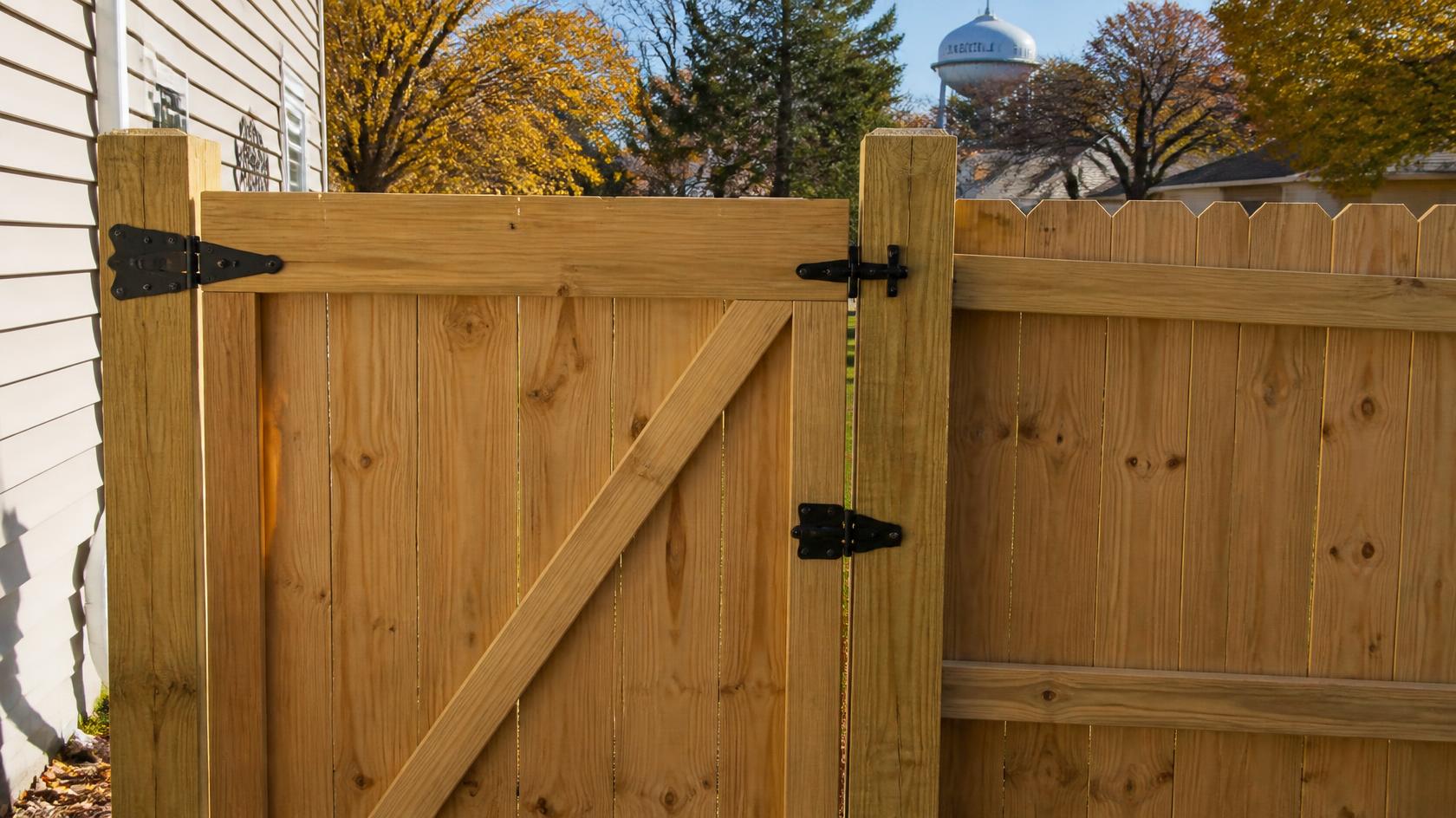
Before winter arrives in Rochelle, fence gates should be checked for loose hinges, worn latches, sagging frames, shifting posts, and uneven ground clearance. Small alignment problems can become harder to manage once snow, frozen soil, and freeze-thaw cycles affect the gate opening, so fall is a practical time to make repairs.
Why Gate Problems Matter Before Winter
A gate is one of the most frequently used parts of a fence.
It has to support repeated:
Opening
Closing
Latching
Weight movement
Seasonal ground changes
A gate that already drags or needs to be lifted in fall may become even more difficult to use when snow and frozen ground reduce clearance.
Checking it before winter can help prevent a minor inconvenience from becoming a larger repair.
Start by Opening and Closing the Gate
One of the simplest inspections is also one of the most useful.
Open and close the gate several times and pay attention to whether it:
Drags across the ground
Rubs against the latch post
Needs to be lifted
Swings unevenly
Fails to latch
Has noticeably different gaps on each side
These symptoms can help identify whether the problem is coming from the hardware, gate frame, posts, or surrounding ground.
Check the Latch
A latch that no longer lines up is often one of the first signs that something has shifted.
Possible causes include:
Gate sagging
Loose hinges
Hinge post movement
Latch post movement
Soil settlement
Frame distortion
Do not automatically move the latch to match the gate.
If the structure continues shifting, the same problem may return.
Inspect Latch Hardware
Check the latch itself for:
Loose screws
Bent components
Worn parts
Difficulty engaging
Movement at the attachment point
Minor hardware problems may be relatively simple to correct when the gate and posts remain stable.
If the latch repeatedly loosens, inspect the material it is attached to for damage.
Look Closely at the Hinges
Hinges carry the gate through every opening and closing cycle.
Signs of trouble can include:
Loose screws or bolts
Bent hinges
Excessive movement
Worn attachment points
Rust or deterioration where applicable
A loose hinge can allow the latch side of the gate to drop.
If tightening the hinge does not restore alignment, the post or gate frame may need attention.
Check the Hinge Post for Movement
The hinge post carries most of the gate's weight.
Inspect it for:
Leaning
Movement at the base
Soft soil
Rot on wood posts
Exposed footing
Cracking or impact damage
A gate can have perfectly good hardware and still sag if the hinge post is unstable.
Repairing the post is often more important than repeatedly adjusting the hinges.
Do Not Ignore the Latch Post
The latch post also affects alignment.
If it leans or moves, the opening can become wider or narrower.
This may cause the gate to:
Miss the latch
Rub against the post
Develop side gaps
Close unevenly
Both gate posts should be inspected before deciding what repair is necessary.
Sagging Gates Need More Than a Quick Adjustment
A gate that sits lower on the latch side may have:
Loose hinges
Weak framing
Insufficient bracing
A shifting hinge post
Excessive weight
Wood gates can become especially heavy when built with solid privacy boards.
The repair should address the cause of the sag rather than simply repositioning the latch.
Ground Clearance Can Change
Sometimes the gate itself has not moved much, but the ground underneath it has.
Look for:
Soil buildup
Mud
Erosion
Settling
Uneven grade
Fall rain can make these issues easier to notice.
A gate that clears the ground in dry weather may begin dragging once soil becomes wet, uneven, or frozen.
Drainage Can Affect Gate Alignment
Water can gradually weaken the soil supporting gate posts.
Check nearby areas for:
Standing water
Downspout runoff
Washed-out soil
Soft ground
Erosion
If drainage is causing post movement, adjusting the gate without correcting the underlying soil problem may only provide a temporary fix.
Wood Gates Need Frame Inspections
For wood fencing, inspect more than the visible boards.
Look for:
Rot
Cracked framing
Loose boards
Warping
Failed fasteners
If the frame itself has weakened, replacing one hinge or latch may not restore proper operation.
The condition of the supporting frame should guide the repair.
Vinyl Gates Can Develop Alignment Problems Too
Vinyl does not rot like wood, but the gate still depends on stable:
Posts
Hinges
Reinforcement
Hardware
Check for:
Sagging
Cracked components
Loose connections
Uneven gaps
Cold weather can make vinyl less flexible, so existing damage should be addressed before hard winter impacts become a concern.
Chain Link Gates Need Stable Terminal Posts
For chain link fencing, check:
Gate frame alignment
Hinges
Latches
Terminal posts
Nearby mesh tension
A leaning terminal post can affect both the gate and the surrounding fence.
If the framework is stable, minor hardware or alignment adjustments may be enough.
Wide Gates Need Extra Attention
Double gates and equipment gates place more stress on their supports.
They may be used for:
Riding mowers
Trailers
Landscaping equipment
Utility access
Because they are heavier and wider, small changes in post position can create noticeable alignment problems.
Strong posts, dependable hinges, and proper bracing are especially important.
Pet Owners Should Check Gate Gaps
A misaligned gate can create an escape point for dogs.
Inspect:
Bottom gaps
Side gaps
Latch security
Gate closure
Small openings can become difficult to see once snow covers the lower fence line.
Fall repairs can help keep the yard more secure through winter.
Clear Leaves From the Gate Area
Wet leaves can hide:
Post bases
Erosion
Ground buildup
Rot
Hardware problems
Clear leaves around both sides of the gate before inspecting it.
Keeping the swing area clean also makes it easier to identify why the gate is dragging.
Plan for Snow and Ice
Think about how the gate will be used during winter.
Consider:
Where snow will be piled
Where paths will be shoveled
Gate swing direction
Snowblower clearance
Avoid piling heavy snow against the gate or supporting posts.
A correctly repaired gate can still become difficult to use if the swing path is blocked.
When Is a Minor Repair Enough?
A smaller repair may be appropriate when:
Hinges are loose
The latch is worn
Hardware needs tightening
The frame remains sound
Both posts are stable
These problems can often be corrected without replacing the entire gate.
When Does the Gate Need More Extensive Work?
More significant repair may be needed when:
A post is leaning
The frame is damaged
Wood is badly deteriorated
Drainage is undermining the footing
The gate repeatedly loses alignment
If several parts are failing at once, replacement may become more practical than repeated adjustments.
Fall Gate Repair Checklist
Before winter in Rochelle, check:
Latch operation
Hinge condition
Hinge post stability
Latch post stability
Gate frame
Bottom clearance
Side gaps
Drainage
Ground movement
Pet escape points
Snow access
Taking care of these issues before freezing weather can make the gate easier to use all winter.
Request a Free Fence Gate Repair Estimate
Arrow Fence helps Rochelle homeowners repair sagging, dragging, misaligned, or difficult-to-latch fence gates.
Whether the problem involves hinges, latches, gate posts, drainage, frame damage, or a gate that needs replacement, Arrow Fence can help you review practical repair options.
Contact Arrow Fence at arrowfencerockford.com to request a free estimate for your fence gate repair project.
