
Fence Installation Before the Ground Freezes in Byron, IL: Homeowner Guide
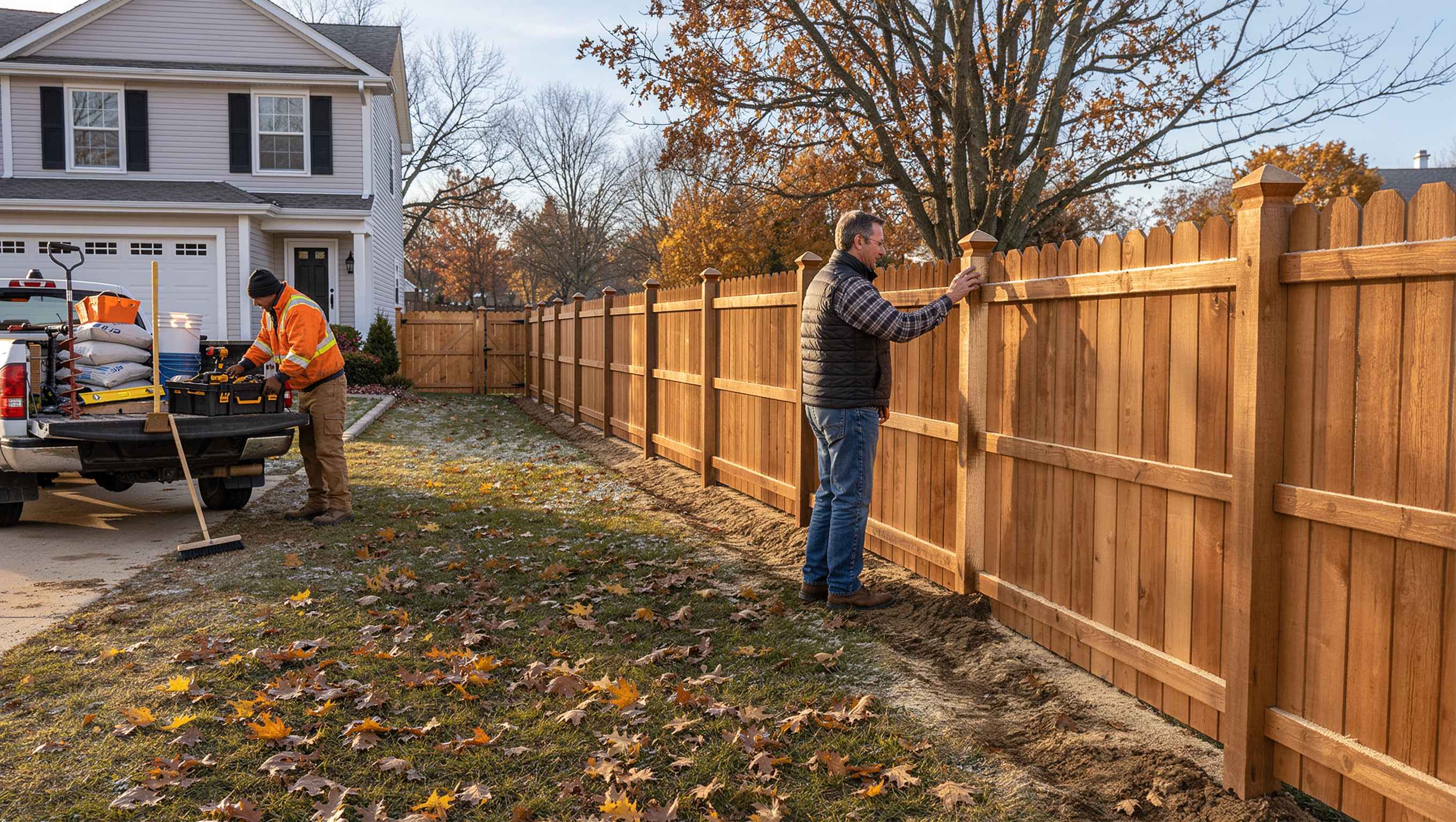
Fence installation in Byron can still be possible late in the season if the soil remains workable and the yard is prepared. Before colder conditions arrive, homeowners should settle the fence line, material, height, gate locations, drainage concerns, pet needs, and removal work. The closer winter gets, the more important it is to have the project clearly planned before installation begins.
Late Fall Can Still Be a Practical Installation Window
A cold day does not automatically mean fence installation has to stop.
What matters more is the condition of the ground.
Installation becomes more difficult when soil is:
Frozen
Saturated
Extremely muddy
Covered by significant snow
A dry late-fall period can provide very different conditions from a week of rain followed by freezing temperatures.
The property itself needs to be evaluated rather than relying only on the calendar.
Walk the Proposed Fence Line Now
Before snow covers the yard, take a careful look at where the fence may go.
Watch for:
Uneven ground
Large roots
Low areas
Drainage paths
Old post locations
Existing concrete
These details can affect where posts are placed and how the fence follows the property.
Taking a few photos can also help document areas that may be difficult to see later.
Make Sure the Layout Is Settled
Late fall is not the best time to redesign the project after installation has started.
Before work begins, decide:
Where the fence will run
Which areas need privacy
Where gates belong
Whether the existing fence will be removed
If an old fence is already present, do not assume the new one must follow exactly the same route.
A replacement project can be a good opportunity to improve the layout.
Review Property Boundaries Before Posts Go In
Fence placement should not be based only on landscaping, mowing patterns, or an older fence.
If there is uncertainty about the intended boundary, resolve it before installation begins.
Applicable local requirements should also be reviewed before finalizing placement and height.
It is much easier to address these questions during planning than after posts are installed.
Pick the Material Based on How the Yard Will Be Used
Different materials serve different priorities.
Wood
Wood works well for homeowners who want privacy and a natural appearance.
Common options include solid vertical, board-on-board, and shadowbox designs.
It offers plenty of flexibility but generally requires more routine maintenance over time.
Vinyl
Vinyl can provide full or partial privacy with less routine surface maintenance than wood.
It does not require regular staining or sealing.
Chain Link
Chain link can be practical for pets, larger yards, and longer boundaries where open visibility is acceptable.
Aluminum
Aluminum can provide a more open, decorative look where preserving views is important.
Choosing the material early keeps the rest of the project easier to organize.
Think About Fence Height Before Finalizing the Design
Height should match the reason for installing the fence.
Ask whether the project is mainly for:
Privacy
Dogs
Property definition
Outdoor living space
A taller fence can provide additional screening, but solid fencing also catches more wind.
The right height depends on the property rather than simply choosing the tallest option.
Gate Placement Should Follow Daily Movement
Think about how you normally move around the yard.
Useful gate locations may connect:
Driveway and backyard
Garage and side yard
House and patio
Yard and storage area
A poorly placed gate can make a new fence frustrating to use.
Walk the routes now and choose openings based on actual daily habits.
Measure Equipment Before Choosing Gate Width
If you need to move equipment through the fence, measure it first.
That may include:
Riding mowers
Trailers
Garden carts
Landscaping equipment
A gate that is too narrow can create a long-term access problem.
Wider gates also require appropriate structural support, so they should be planned from the start.
Think About Snow Before Placing the Main Gate
A gate that works well in fall may be less convenient once snow starts piling up.
Before finalizing the location, think about where snow is usually:
Shoveled
Blown
Stored
Try to keep frequently used gates away from regular snow-pile locations.
This is especially important for homes where dogs need daily backyard access.
Check Drainage While Fall Rain Makes It Visible
Late-season rain can show exactly where water tends to collect.
Inspect the proposed fence line for:
Standing water
Soft soil
Erosion
Downspout runoff
Washout
Posts depend on stable ground.
If one area consistently stays wet or loses soil, that should be part of the planning discussion.
Do Not Ignore Existing Water Problems
A new fence will not correct poor drainage by itself.
Water problems can contribute to:
Post movement
Ground gaps
Gate misalignment
Soil erosion
If runoff repeatedly crosses the planned fence line, the layout or drainage may need attention before installation.
Addressing the cause is usually more useful than fixing the same fence section later.
Slopes Can Affect Both Appearance and Function
Changing grade can influence how the fence is installed.
Depending on the system, sections may need to be stepped or follow the grade more closely.
Slopes can also create challenges around:
Gates
Bottom clearance
Dog containment
If pets will use the yard, pay special attention to gaps where the terrain changes.
Clear Leaves From Important Areas
Heavy leaf buildup can hide conditions that matter during installation.
Clear leaves around:
Proposed post locations
Gates
Low spots
Existing fence bases
This can reveal:
Old concrete
Erosion
Roots
Uneven soil
A visible fence line makes the site easier to evaluate.
Trim Vegetation That Blocks the Route
Shrubs, vines, and low branches may interfere with the planned fence line.
Trim enough vegetation to expose the work area.
Be cautious around established trees.
Large roots can affect post locations, and sometimes a small layout adjustment makes more sense than unnecessary root disturbance.
Make Sure Crews Can Reach the Backyard
Material access is another part of late-fall preparation.
Consider whether the route is restricted by:
Narrow side yards
Existing gates
Steps
Sheds
Dense landscaping
Posts, panels, boards, and tools all need to reach the work area.
Clearing a practical path ahead of time can help keep the project more efficient.
Replacement Projects Need Extra Planning
If a new fence is replacing an older one, removal can add another layer to the project.
Old fencing may include:
Boards or panels
Posts
Gates
Hardware
Concrete footings
Ask whether removal, hauling, and cleanup are included.
Once the old fence comes out, hidden soil or drainage issues may also become visible.
Prepare for Pets During Installation
An unfinished fence should not be treated as secure containment.
During installation, pet owners should plan for:
Indoor supervision
Leash walks
Another enclosed area
Keep pets away from tools, materials, and open post holes.
After installation, check gates and lower gaps before allowing pets to use the yard normally.
Consider Wind Exposure Before Choosing Solid Fencing
Wood and vinyl privacy fences catch more wind than open styles.
Pay attention to:
Long exposed runs
Corners
End posts
Gate areas
If one boundary does not need complete privacy, a more open section may be worth considering.
Good structural planning is especially important when a newly installed fence will immediately face winter weather.
Understand That Weather May Change the Schedule
Late-fall projects require flexibility.
Possible delays can come from:
Heavy rain
Saturated soil
Snow
Frozen ground
Homeowners cannot control those conditions.
What they can do is make sure the fence design, access, removal work, and site preparation are already organized when workable weather is available.
When Waiting Until Spring Makes More Sense
Installing before winter is not always the best choice.
Waiting may be more practical when:
The soil becomes consistently frozen
Significant drainage work is still needed
The layout is uncertain
Landscaping changes will affect the fence line
Access cannot be prepared
A carefully planned spring installation is better than rushing through poor conditions.
Final Late-Fall Homeowner Checklist
Before moving forward with a Byron fence project, confirm:
Fence line
Material
Height
Gate locations
Gate widths
Property access
Drainage concerns
Sloped areas
Old-fence removal
Pet arrangements
Snow routes
The clearer these details are, the easier it is to move forward when the site conditions are right.
Request a Free Fence Installation Estimate
Arrow Fence helps Byron homeowners plan fence installation around privacy, pets, gates, drainage, slopes, access, and seasonal conditions.
Whether you are considering wood, vinyl, chain link, aluminum, replacement, or a new backyard fence, Arrow Fence can help you review practical options for your property.
Contact Arrow Fence at arrowfencerockford.com to request a free estimate for your fence project.
