
Fence Installation Before the Ground Freezes in Rockford, IL: Homeowner Guide
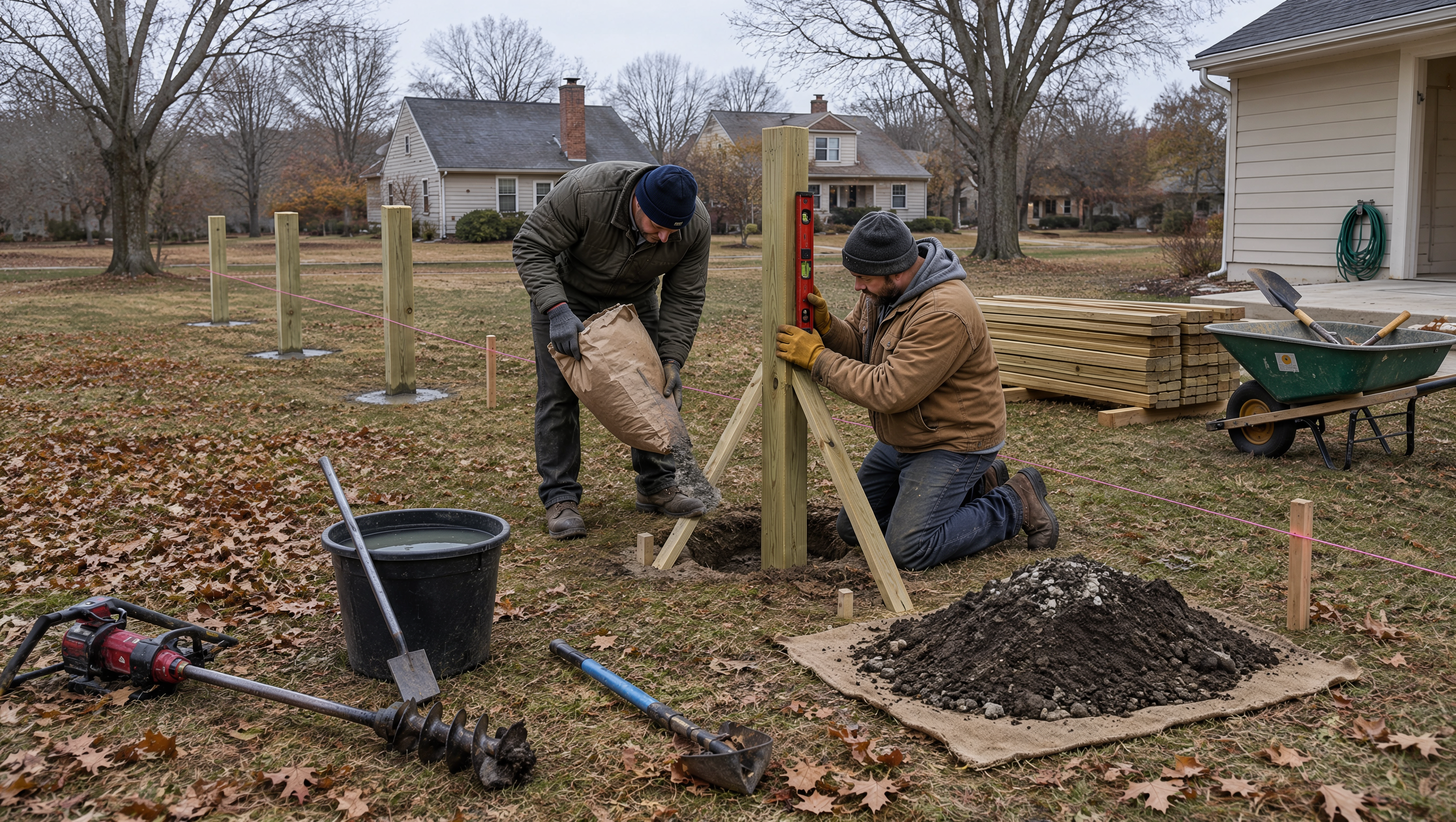
Fence installation can still be possible in Rockford late in the season when the ground remains workable and site conditions cooperate. Homeowners can prepare by finalizing the layout, material, gates, drainage, access, and old-fence removal before colder weather arrives. The closer winter gets, the more important it becomes to avoid last-minute design changes and have the yard ready for installation.
Why Ground Conditions Matter
Fence posts need to be installed securely, which means crews must be able to work with the soil at the planned post locations.
Late-fall conditions can vary from one property to another.
A yard may be affected by:
Recent rain
Soft or saturated soil
Early frost
Snow
Changing temperatures
Cold air alone does not tell the full story. The actual condition of the ground and the specific property matter more.
Planning before the ground becomes consistently frozen can give homeowners more flexibility.
Have the Fence Design Decided Before Installation
Late fall is not the ideal time to keep changing the project.
Before installation begins, finalize:
Fence material
Style
Height
Approximate fence line
Gate locations
Gate widths
Changes after post locations are established can complicate the project.
The clearer the plan is before work begins, the easier it is to keep the installation focused.
Confirm Where the Fence Will Go
Walk the property with the proposed layout in mind.
Look for conflicts with:
Patios
Sheds
Trees
Driveways
Garden beds
Existing fencing
If an older fence is being replaced, decide whether the new fence should follow the same route or whether the layout could be improved.
Applicable local requirements should be reviewed before final placement and height are approved.
Choose a Material That Fits the Yard
Wood, vinyl, chain link, and aluminum can all work for Rockford properties, but they serve different needs.
Wood
Wood offers natural character and flexible privacy designs.
It can work well for:
Backyards
Patios
Pet areas
Property lines
Wood typically requires more routine maintenance than other materials.
Vinyl
Vinyl provides clean, consistent screening with less routine surface maintenance.
Full-privacy and semi-private designs can both work depending on how much screening and airflow you want.
Chain Link
Chain link is practical for pets, larger yards, and long boundaries where open visibility is acceptable.
Aluminum
Aluminum provides an open, decorative appearance and relatively straightforward routine upkeep.
Material decisions should be made before late-fall scheduling becomes tighter.
Think About Privacy Before Choosing Height
If privacy is the main goal, identify exactly what you want to screen.
That may include:
Neighboring yards
Patios
Side yards
Outdoor seating
Pet spaces
Do not automatically choose the tallest fence.
A well-placed fence may provide enough screening at a more moderate height.
Height also affects wind exposure, material use, and the overall feel of the backyard.
Plan Gates Early
Gate planning becomes especially important before winter.
Think about how the property is used every day.
A gate may be needed between:
Driveway and backyard
House and side yard
Patio and front yard
Backyard and equipment area
Determine the width before installation.
If mowers, trailers, or landscaping equipment need access, measure them instead of guessing.
Consider Winter Gate Access
A gate that works perfectly in fall can become inconvenient when snow arrives.
Before choosing the location, ask:
Where is snow usually shoveled?
Where does the snowblower travel?
Where are snow piles stored?
Which gate will be used most often?
Avoid putting the main gate where winter snow regularly blocks the swing.
Planning for seasonal access now can make the fence easier to use all year.
Check Drainage Before the Ground Freezes
Fall rain can reveal important information about the future fence line.
Look for:
Standing water
Erosion
Soft soil
Downspout runoff
Low spots
Posts depend on stable ground.
If one section of the yard repeatedly stays wet or loses soil, that should be considered before posts are installed there.
The fence should work with natural drainage rather than creating another obstacle for water flow.
Pay Attention to Slopes
Changing ground elevation can affect both installation and appearance.
Depending on the fence system, sections may need to be:
Stepped
Installed to follow the grade more closely
Slopes can also affect:
Gate operation
Ground clearance
Pet containment
If dogs use the yard, bottom gaps should be reviewed carefully where the terrain changes.
Clear the Fence Line
Before installation, remove unnecessary obstacles from the work area.
Move or clear:
Patio furniture
Garden tools
Hoses
Planters
Toys
Seasonal decorations
Leaf piles
Late-fall leaves can hide uneven ground, old concrete, drainage paths, and other site conditions.
A clean fence line makes the property easier to evaluate.
Trim Vegetation Before Work Begins
Shrubs, vines, and low branches can interfere with post placement and material handling.
Trim vegetation that extends directly into the proposed fence line.
Pay extra attention to:
Dense shrubs
Vines on old fencing
Low tree limbs
Overgrown side yards
Large roots may influence post placement, so avoid major root cutting without discussing the layout first.
Make Access Easier for Materials
Crews need room to move posts, panels, tools, and other materials into the yard.
Check whether access is limited by:
Narrow side yards
Existing gates
Steps
Sheds
Landscaping
Clearing a practical route before installation can reduce unnecessary handling.
This becomes especially helpful when daylight is shorter later in the season.
Decide How an Old Fence Will Be Removed
Replacement projects require more preparation than installing on an open fence line.
Old fencing may involve:
Boards or panels
Posts
Gates
Hardware
Concrete footings
Ask whether removal, hauling, and disposal are included in the project.
Once the old fence comes out, previously hidden drainage or soil problems may also become visible.
Make a Safe Plan for Pets
During installation, sections of the yard may remain open.
Pet owners should prepare another secure arrangement.
Options may include:
Keeping dogs indoors
Leash walks
Using another enclosed area
Do not assume a partially installed fence will safely contain pets.
After installation, inspect gates and lower gaps before allowing pets to use the yard normally.
Understand That Weather May Affect Scheduling
Late-fall fence installation depends on workable site conditions.
Weather may create delays because of:
Heavy rain
Saturated soil
Early snow
Freezing conditions
Homeowners cannot control the weather, but they can avoid preventable delays by having project decisions and yard preparation completed in advance.
Wood Finishing May Be a Separate Step
If you choose wood, installation and finishing may happen on different schedules.
Stain or sealant application depends on suitable conditions for the specific product.
The fence can be structurally installed without assuming that finishing must happen immediately.
Ask about appropriate timing for any surface treatment rather than rushing it during unsuitable weather.
Do a Final Pre-Installation Review
Before work begins, confirm:
Material
Fence style
Height
Fence line
Gate locations
Gate widths
Removal work
Site preparation
Cleanup expectations
This is also a good time to clarify anything that is not clearly shown in the estimate.
The goal is to begin installation with as few unresolved decisions as possible.
When Waiting Until Spring May Make More Sense
Installing before winter is not always necessary.
Waiting may be reasonable if:
Major drainage work is needed
The layout is still undecided
Landscaping changes are planned
The ground becomes consistently difficult to work
The current fence remains safe and functional
A spring project is usually better than rushing into a layout or material choice you are not confident about.
Before-the-Freeze Homeowner Checklist
For a late-fall Rockford fence project, make sure you have:
Finalized the material and style
Confirmed the fence line
Chosen the height
Planned gates and equipment access
Checked drainage
Reviewed slopes
Cleared the work area
Trimmed vegetation
Planned old-fence removal
Prepared for pets
Considered winter gate access
Preparation can be especially valuable when the seasonal installation window is getting shorter.
Request a Free Fence Installation Estimate
Arrow Fence helps Rockford homeowners plan late-fall fence installation around materials, gates, privacy, pets, drainage, slopes, and winter access.
Whether you are considering wood, vinyl, chain link, aluminum, replacement, or a new fence, Arrow Fence can help you review practical options for your property.
Contact Arrow Fence at arrowfencerockford.com to request a free estimate for your fence project.
