
Fence Installation Before the Ground Freezes in Rockton, IL: Homeowner Guide
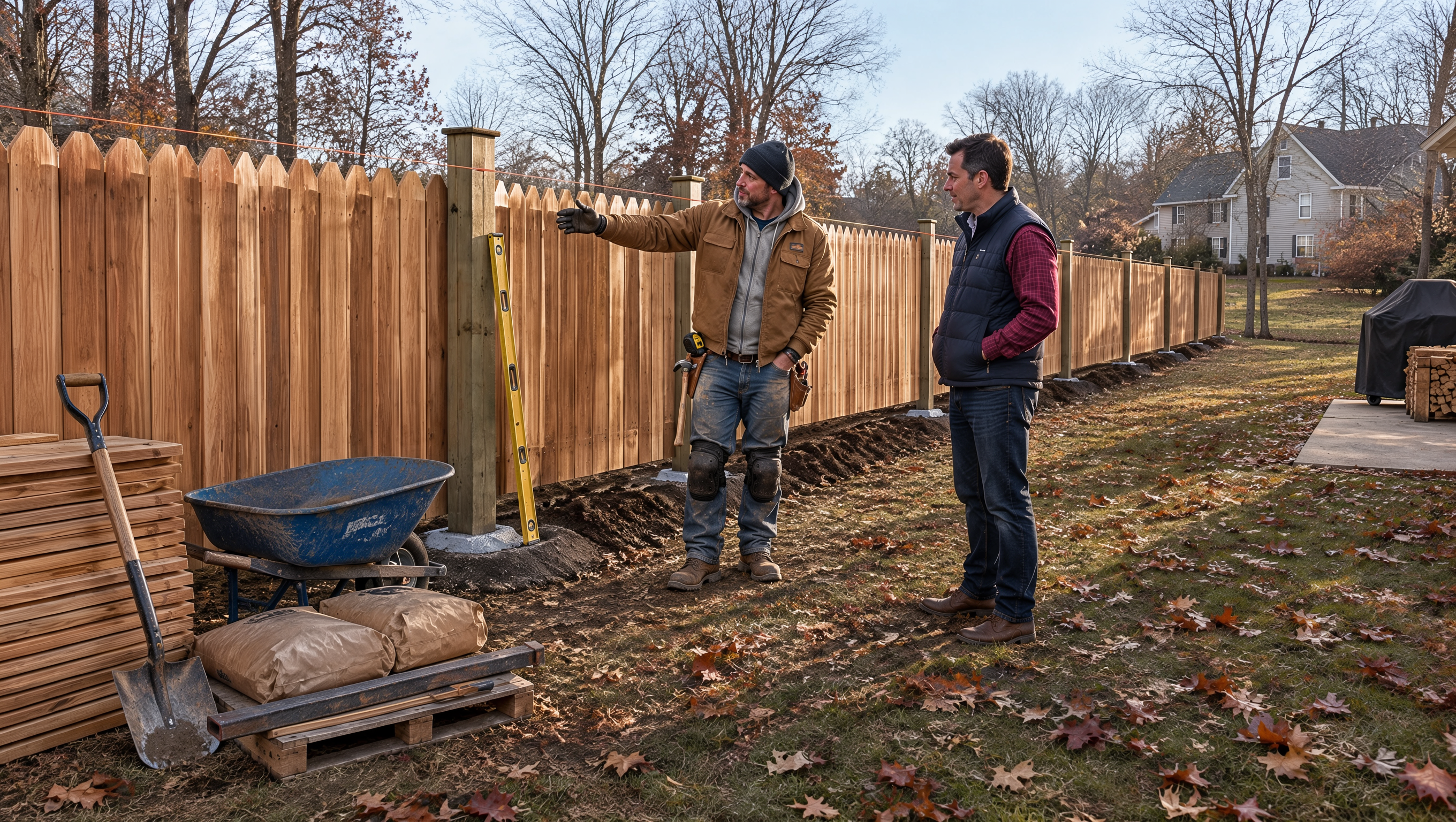
Late-fall fence installation in Rockton can still be practical when the soil is workable and the property is ready. Homeowners can help by finalizing the fence line, material, gate locations, yard access, drainage concerns, and removal work before colder conditions arrive. The goal is not to rush the project, but to remove avoidable delays while the ground can still be worked.
Why Late-Fall Timing Matters
As Rockton moves deeper into fall, weather becomes less predictable.
Cooler temperatures alone do not necessarily stop fence installation. The bigger issue is whether crews can work safely and effectively with the soil and site conditions.
Installation may become more difficult when the property has:
Frozen soil
Heavy saturation
Early snow cover
Muddy access
Standing water
A prepared yard gives the project a better chance of staying straightforward while conditions remain suitable.
Walk the Yard Before Snow Changes the View
Before snow covers the property, walk the entire area where the fence may go.
Look for features that could affect installation, including:
Changes in grade
Large roots
Drainage paths
Old post locations
Concrete footings
Low spots
Landscaping
Taking a few photos now can also help document areas that may be harder to evaluate later.
Confirm the Fence Line
Do not assume an old fence automatically marks the correct or best location for a new one.
Review the intended fence line carefully before posts are installed.
Think about how the new layout will interact with:
Driveways
Patios
Sheds
Side yards
Gardens
Neighboring boundaries
Any uncertainty about property boundaries should be addressed before installation begins.
Applicable local requirements should also be reviewed before final placement and height are confirmed.
Choose the Material Before the Installation Window Tightens
Late fall is a better time for clear decisions than last-minute changes.
Common options include wood, vinyl, chain link, and aluminum.
Wood
Wood works well for privacy and can be adapted to many backyard layouts.
Popular styles include:
Solid vertical
Board-on-board
Shadowbox
It offers a natural appearance but usually requires more ongoing surface maintenance.
Vinyl
Vinyl can provide full or partial privacy with less routine surface upkeep than wood.
It can be a good fit for homeowners who want a cleaner, more uniform look.
Chain Link
Chain link is practical for pets, larger yards, and long boundaries where open visibility is acceptable.
Aluminum
Aluminum offers an open, decorative appearance and is often used where homeowners want to preserve views.
Having the material decision settled early reduces the chance of redesigning the project after layout work has already begun.
Decide What the Fence Needs to Do
The right layout depends heavily on the fence's purpose.
Ask whether the main goal is:
Privacy
Pet containment
Property definition
Security
Outdoor living space
A privacy fence and a dog enclosure may use very different heights, materials, and gate arrangements.
Clarifying the purpose makes other decisions easier.
Plan Gates Around Real Yard Use
Gate placement should reflect how the property is actually used.
Walk the routes between:
Driveway and backyard
Garage and side yard
House and patio
Shed and lawn
Place gates where they support those movements instead of forcing awkward detours.
Late-fall planning is also a good time to think about how those same routes function once snow arrives.
Measure Equipment Before Choosing Gate Width
If a mower, trailer, or other equipment needs backyard access, measure it.
Do not guess.
A gate that is slightly too narrow can become a recurring frustration.
At the same time, wider openings generally require stronger posts, hinges, framing, and support.
Choose the width based on actual use.
Leave Room for Winter Access
A gate location that works in October may be inconvenient in January.
Consider where snow is usually:
Shoveled
Blown
Piled
Avoid positioning a frequently used gate directly beside the most common snow-storage area if possible.
This is especially important for households that need regular backyard access for pets.
Review Drainage Before Posts Go In
Late-fall rain can reveal important site conditions.
Watch for:
Standing water
Mud
Erosion
Downspout runoff
Soft soil
Fence posts rely on stable support.
If water regularly collects along the proposed line, the drainage issue should be considered before installation rather than discovered after the fence begins moving.
Do Not Block Natural Water Flow
A new fence should fit the yard's existing drainage pattern.
Pay attention to where runoff travels during heavy rain or snowmelt.
Solid fence sections and accumulated debris can sometimes trap water or leaves near the base if the layout is not carefully planned.
Good drainage planning can help reduce future problems with:
Soil movement
Ground gaps
Leaning posts
Gate alignment
Plan Carefully Around Slopes
Rockton yards are not always perfectly level.
Changing grade can affect how the fence looks and how it functions.
Depending on the system, sections may need to be:
Stepped
Installed to follow the grade
Slopes can also affect gate clearance and pet security.
If dogs will use the yard, check where larger bottom gaps could appear.
Clear the Work Area
Before installation day, remove unnecessary items from the fence line.
That may include:
Hoses
Planters
Yard tools
Toys
Patio furniture
Seasonal decorations
Leaf piles
A clear work area helps make ground conditions and potential obstacles easier to see.
It also provides a better route for moving materials through the yard.
Trim Vegetation That Blocks the Fence Line
Overgrown shrubs and vines can slow preparation.
Trim vegetation that directly interferes with the proposed layout, including:
Low branches
Dense shrubs
Vines
Tall grasses
Be cautious around large tree roots.
If a root system affects a planned post location, it may be better to adjust the layout than make unnecessary cuts.
Think About Material Access
Fence installation requires space to bring posts, rails, panels, boards, and tools into the backyard.
Access may be more difficult when the property has:
Narrow side yards
Steps
Existing gates
Dense landscaping
Tight corners
Clearing the route ahead of time can simplify material handling.
This matters even more late in the year when daylight is shorter.
Plan Old Fence Removal Early
If the project is replacing an existing fence, removal should be part of the plan from the beginning.
Old fencing may involve:
Panels
Boards
Posts
Gates
Hardware
Concrete footings
Ask what is included in the project scope, including hauling and disposal.
Old footings can also affect where new posts can be placed.
Expect Hidden Conditions During Replacement
Once the old fence comes out, the yard may reveal issues that were previously hidden.
These can include:
Erosion
Soil settlement
Roots
Broken footings
Drainage problems
Replacement projects sometimes require more adjustment than new installations on an open fence line.
Leaving some flexibility in the plan can help.
Prepare for Pets During Installation
A partially installed fence should not be treated as a secure enclosure.
If dogs use the yard, plan for:
Indoor supervision
Leash walks
Another enclosed area
Keep pets away from tools, materials, open post holes, and unfinished sections.
After the project is complete, inspect gates and lower gaps before returning to normal backyard use.
Consider Wind Exposure
Solid privacy fences catch more wind than open styles.
If the property has long exposed boundaries, pay attention to:
End posts
Corners
Gate posts
Long privacy runs
Good structural planning is important throughout the year, but it matters even more when a newly installed fence will immediately face winter wind.
Late Fall Can Still Be a Good Time for Privacy Projects
Homeowners often assume privacy fencing has to wait until spring.
That is not always the case.
If the ground remains workable, late fall may still be suitable for wood or vinyl privacy fencing.
The key is having the project decisions ready and the site prepared.
Solid fencing should also be planned with wind exposure, drainage, and winter gate access in mind.
What Can Delay a Late-Fall Project?
Some delays are weather-related, while others are preventable.
Common issues include:
Saturated soil
Early snow
Frozen ground
Unresolved layout questions
Blocked access
Incomplete removal work
Homeowners cannot control the weather, but they can reduce delays caused by preparation.
When Waiting Is the Better Choice
There are situations when postponing installation makes sense.
Waiting may be appropriate if:
The ground becomes consistently frozen
Major drainage work is needed
The fence line is still uncertain
Landscaping changes will affect the layout
Access cannot be prepared
A well-planned spring installation is usually better than rushing a late-fall project through unsuitable conditions.
Final Pre-Installation Review
Before work begins, confirm:
Fence material
Style
Height
Fence line
Gate locations
Gate widths
Removal work
Access route
Drainage concerns
Pet arrangements
This final review helps reduce surprises once installation starts.
Request a Free Fence Installation Estimate
Arrow Fence helps Rockton homeowners plan fence installation around site conditions, privacy, pets, gates, drainage, slopes, access, and seasonal weather.
Whether you are considering wood, vinyl, chain link, aluminum, replacement, or a new backyard fence, Arrow Fence can help you review practical options for the property.
Contact Arrow Fence at arrowfencerockford.com to request a free estimate for your fence project.
