
Fence Installation Before November in Belvidere, IL: What Homeowners Should Prepare
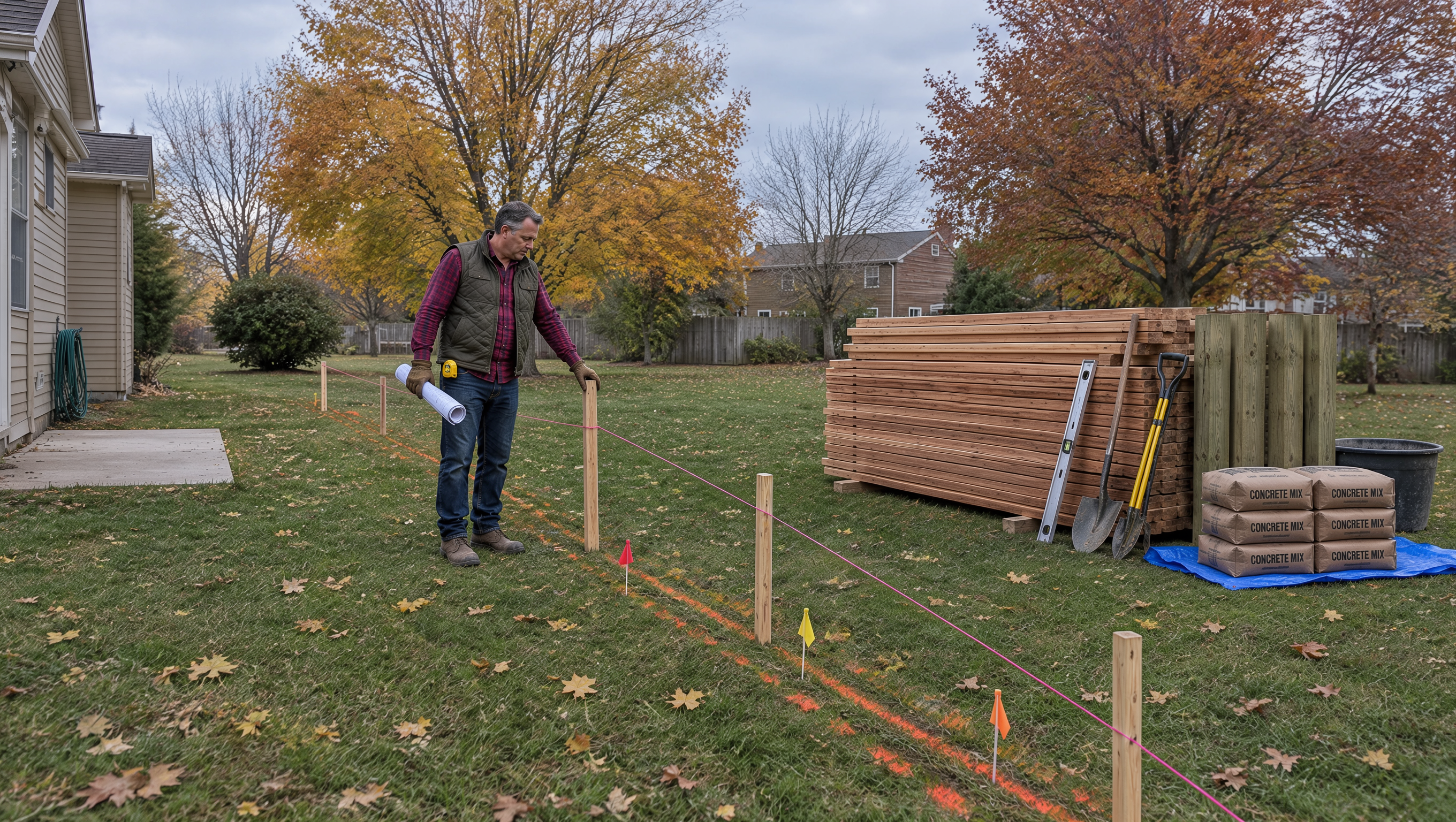
Homeowners planning fence installation in Belvidere before November should prepare the yard, confirm the fence layout, finalize gate locations, address drainage, and clear access for materials and equipment. Getting these details settled before colder weather arrives can help the project move more smoothly and reduce last-minute changes.
Finalize the Fence Layout First
Before installation begins, make sure you know exactly where the fence should go.
Walk the proposed fence line and consider:
Property boundaries
Patios
Sheds
Driveways
Landscaping
Pet areas
Do not automatically assume an old fence line is the best location for the new fence.
A replacement project may be a good opportunity to improve backyard access, privacy, or gate placement.
Applicable local requirements should also be reviewed before the final layout is approved.
Decide What the Fence Needs to Do
The purpose of the fence affects nearly every other decision.
Think about whether the main goal is:
Privacy
Dog containment
Property definition
Backyard security
Curb appeal
A full-privacy fence may need a different height and layout than a fence mainly intended to contain pets.
Making this decision early helps avoid changes after installation has already started.
Choose the Material Before Installation Week
Material selection affects appearance, maintenance, privacy, and installation details.
Wood
Wood offers a natural appearance and many design options, including solid vertical, board-on-board, shadowbox, and horizontal styles.
It works well for privacy but requires periodic maintenance and inspection.
Vinyl
Vinyl provides consistent screening with less routine surface maintenance.
It does not need regular painting, staining, or sealing.
Chain Link
Chain link can be practical for pets, larger yards, and long boundaries where open visibility is acceptable.
Aluminum
Aluminum provides an open, decorative look and works well where homeowners want to preserve views.
Choosing the material early also makes it easier to finalize height, gate style, and yard preparation.
Mark the Areas That Need Privacy
Not every side of the yard may need the same amount of screening.
Privacy may matter most near:
Patios
Neighbor-facing areas
Side yards
Outdoor seating
Pet areas
A targeted layout can sometimes provide enough privacy without enclosing the entire property with solid fencing.
This can also help keep the yard feeling more open.
Confirm Fence Height
Fence height should match the intended use.
Consider:
Neighboring sightlines
Dog size and behavior
Patio privacy
Yard proportions
Wind exposure
A taller fence may provide more screening, but it also creates more surface area for wind.
Finalize height before materials and post locations are confirmed.
Plan Gate Locations Carefully
Gate placement affects how useful the fence will be every day.
Think about normal routes between:
The house
Driveway
Backyard
Patio
Side yard
Avoid putting a gate where landscaping, outdoor furniture, or snow storage may interfere with access later.
A gate should support the way the property is actually used.
Measure Equipment Before Choosing Gate Width
If you need backyard access for larger equipment, measure it before installation.
Consider:
Riding mowers
Trailers
Garden carts
Landscaping equipment
A standard walk gate may not provide enough room.
On the other hand, an oversized gate can require stronger support and may add unnecessary complexity.
Check Gate Swing
Gate swing is easy to overlook.
Before installation, make sure the gate will not open into:
Steps
Garden beds
Patio furniture
Storage areas
Narrow walkways
This is especially important in smaller side yards where space is limited.
Clear the Fence Line
Installation is easier when contractors can reach the proposed fence line without working around unnecessary obstacles.
Remove or relocate:
Patio furniture
Toys
Hoses
Planters
Stored materials
Temporary decorations
Fall leaves should also be cleared from the work area.
A clean fence line makes existing ground conditions easier to inspect.
Trim Vegetation Before Work Starts
Shrubs, vines, and overgrown plants can interfere with post placement and access.
Before installation, trim vegetation that extends into the fence line.
Pay particular attention to:
Dense shrubs
Vines
Low branches
Garden beds
Mature trees may require extra planning because large roots can affect where posts can reasonably be placed.
Check Drainage After Rain
Late-fall installation planning should include drainage.
Walk the fence line after rain and look for:
Standing water
Mud
Soft soil
Erosion
Downspout runoff
Poor drainage can contribute to future post movement and gate alignment problems.
If a water issue already exists, it is better to identify it before the fence is installed.
Pay Attention to Slopes
Even a modest slope can affect fence appearance and ground clearance.
Depending on the fence system, sections may be:
Stepped
Installed to follow the grade more closely
If dogs will use the yard, ask how gaps will be handled along changing elevations.
Sloped areas can also influence gate placement.
Prepare for Existing Fence Removal
If an older fence is being replaced, determine who will handle removal.
The existing fence may include:
Boards or panels
Posts
Gates
Hardware
Concrete footings
Ask whether hauling, disposal, and cleanup are included in the project.
Removing the old fence before the new installation may also expose drainage or soil issues that were previously hidden.
Make Side-Yard Access Easier
Contractors may need to move fence materials and equipment from the driveway to the backyard.
Clear narrow access areas of:
Trash containers
Garden tools
Bikes
Outdoor storage
Temporary obstacles
Restricted access does not always prevent installation, but a clear route can make the work easier.
Prepare for Pets During Installation
Dogs should have a safe plan while sections of the yard are open.
Consider:
Keeping pets indoors
Using another secure outdoor area
Planning leash breaks
Keeping dogs away from tools and materials
Do not assume the yard will remain enclosed throughout the installation process.
Pet access should be planned before work starts.
Think About Fall Weather
A project scheduled before November can still encounter changing weather.
Rain may soften the ground, while colder temperatures and shorter daylight hours can affect working conditions.
Homeowners can help by having decisions finalized in advance.
Avoid waiting until installation begins to change:
Fence style
Height
Gate locations
Gate widths
Fence layout
Last-minute changes can complicate the project more than the weather itself.
Plan for Winter Gate Access
Even during a fall installation, think ahead to winter.
Ask yourself:
Where will snow be shoveled?
Where will the snowblower travel?
Where are snow piles usually stored?
Will the gate still open easily?
Avoid placing a frequently used gate where winter snow regularly accumulates.
Review the Estimate Before Work Begins
Before installation starts, confirm that the estimate clearly describes the project.
Review:
Material
Fence style
Height
Total footage
Gates
Hardware
Removal work
Site preparation
Cleanup
Disposal
Make sure any agreed changes are documented before the crew begins.
Have the Yard Ready Before Installation Day
A simple preparation checklist can help:
Confirm the fence line
Finalize material and height
Decide gate locations
Measure equipment access
Clear the fence line
Trim vegetation
Check drainage
Review slopes
Plan for pets
Review the estimate
Preparing these details before installation can reduce unnecessary decisions once work is underway.
Request a Free Fence Installation Estimate
Arrow Fence helps Belvidere homeowners plan fall fence installation for privacy, pets, backyard access, replacement, and property boundaries.
Whether you are considering wood, vinyl, chain link, aluminum, or a mixed layout, Arrow Fence can help you review practical options and prepare the yard for installation.
Contact Arrow Fence at arrowfencerockford.com to request a free estimate for your fence project.
