
Fence Installation Cost in Loves Park, IL: Fall 2026 Homeowner Guide
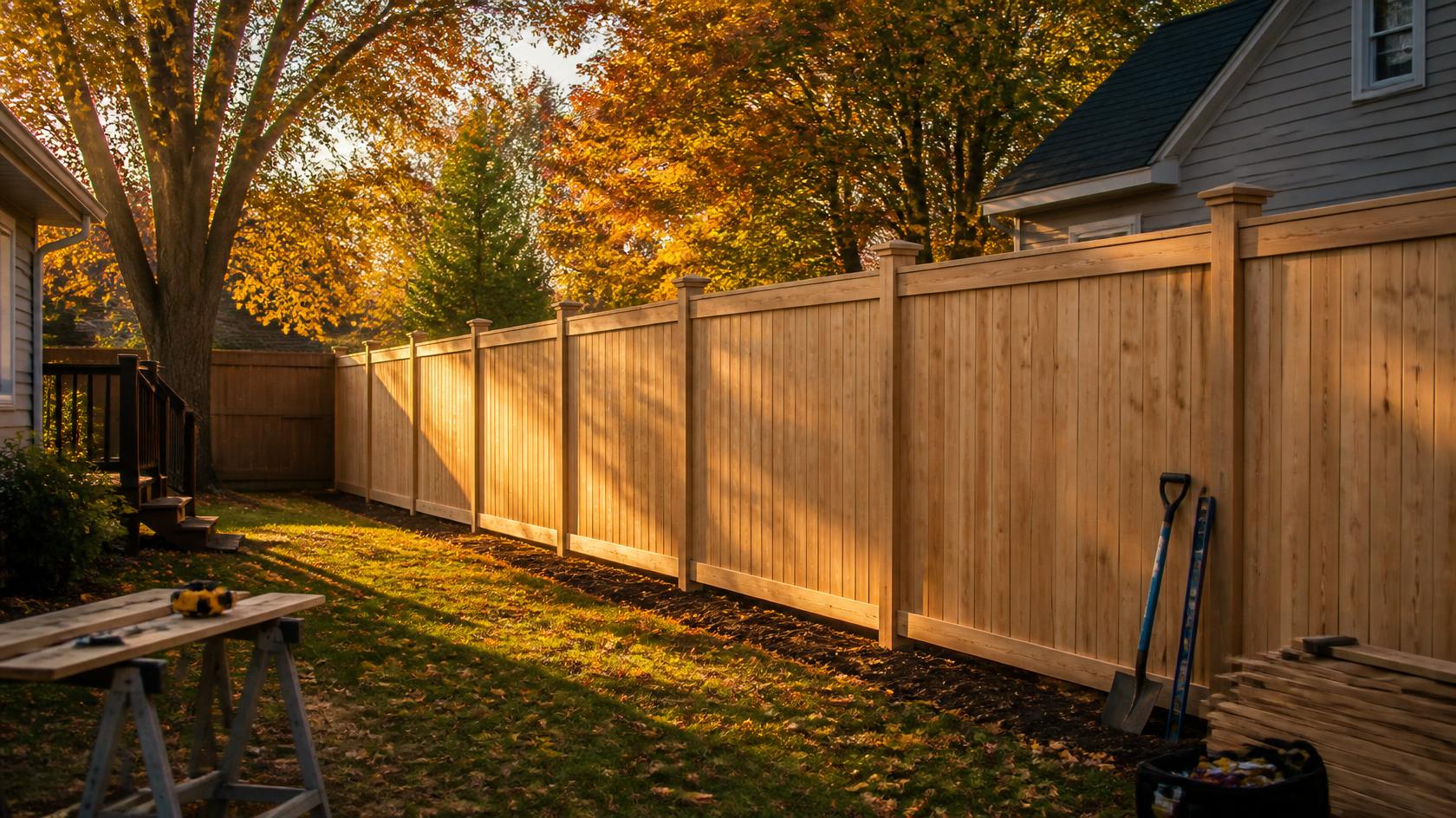
Fence installation cost in Loves Park depends on the material, total footage, fence height, gates, terrain, removal of an old fence, and site access. For fall 2026 projects, homeowners should compare complete estimates rather than focusing only on a per-foot number because posts, gates, grading, removal, and other site conditions can significantly affect the final price.
Why Fence Costs Can Vary So Much
Two properties with the same approximate yard size can have very different fence installation costs.
The final estimate depends on more than the length of the fence.
Common cost factors include:
Fence material
Total linear footage
Fence height
Number and size of gates
Property layout
Slopes
Soil conditions
Existing fence removal
Landscaping
Equipment access
Privacy requirements
Hardware and reinforcement
For that reason, homeowners should be cautious about using a general online price as their final budget.
A site-specific estimate provides a much clearer picture.
Start With the Amount of Fencing Needed
Total fence length is one of the biggest cost factors.
A homeowner fencing only a side yard or patio area will usually need less material and labor than someone enclosing an entire backyard.
Before requesting an estimate, think about whether you need:
Full perimeter fencing
Backyard-only fencing
Side-yard sections
Patio privacy
Pet containment
Decorative front-yard fencing
Targeted fencing can sometimes meet the property's needs without enclosing every boundary.
Wood Fence Cost Factors
Wood is popular because of its natural appearance and design flexibility.
Cost can vary depending on:
Fence height
Board arrangement
Number of posts
Gate design
Decorative features
Wood type
Finish requirements
Solid privacy fencing generally uses more material than open designs.
Board-on-board fencing also requires overlapping boards, which can increase material use compared with simpler vertical fencing.
Homeowners should also consider long-term maintenance when comparing costs. Wood may require periodic staining, sealing, cleaning, and repairs.
Vinyl Fence Cost Factors
Vinyl can have a different upfront cost structure than wood but usually requires less routine surface maintenance.
Pricing may depend on:
Panel style
Height
Privacy level
Decorative tops
Gate size
Reinforcement
Number of posts
Full-privacy vinyl typically uses larger solid panels, while picket or semi-private styles have different material requirements.
Homeowners comparing wood and vinyl should look beyond installation cost and consider how much maintenance they want to handle over the coming years.
Chain Link Fence Cost Factors
Chain link can be a practical option for:
Dogs
Larger yards
Long property boundaries
Side-yard enclosures
Cost considerations include:
Fence height
Total length
Coating or finish
Gate size
Framework
Privacy additions
Adding privacy slats or screening changes both the appearance and the amount of material involved.
These additions can also increase wind load, so the fence framework needs to be appropriate for the design.
Aluminum Fence Cost Factors
Aluminum fencing is typically chosen for decorative boundaries and open views.
Project cost may be influenced by:
Fence height
Picket style
Decorative details
Gate quantity
Gate width
Yard layout
Aluminum generally provides less visual privacy than solid wood or vinyl, so homeowners should make sure the material matches the project's main purpose before comparing estimates.
Fence Height Affects the Estimate
Taller fencing generally requires more material and may require stronger structural support.
Privacy fencing may involve:
Taller posts
Larger panels
More boards
Additional reinforcement
A taller fence can make sense when homeowners want strong screening or have larger dogs, but height should be chosen for a specific reason rather than automatically selecting the tallest option.
Applicable local requirements should also be reviewed before installation.
Gates Can Change the Total Cost
Gates require additional framing, hardware, and labor.
A project with several gates can cost more than a similar fence with only one opening.
Common gate types include:
Standard walk gates
Wider lawn-equipment gates
Double gates
Driveway or utility access gates
Before choosing gate widths, measure the largest equipment that may need to enter the yard.
That could include:
Riding mowers
Trailers
Landscaping equipment
Utility vehicles
Outdoor furniture
Planning correctly the first time can help avoid expensive modifications later.
Difficult Yard Access Can Affect Labor
A wide-open backyard with easy equipment access may be simpler to work in than a narrow property with obstacles.
Installation can become more involved around:
Tight side yards
Mature landscaping
Sheds
Decks
Retaining walls
Trees
Utility areas
Homeowners can help by clearing the work zone before installation begins.
Move furniture, hoses, toys, planters, and stored equipment away from the planned fence line.
Slopes and Uneven Ground Matter
A sloped yard can require additional planning.
Depending on the fence material, sections may need to be:
Stepped
Installed to follow the grade
Adjusted around elevation changes
More complicated terrain can affect installation time and material use.
Pet owners should also pay close attention to ground gaps where the terrain changes.
Soil and Drainage Can Affect the Project
Fence posts need stable placement.
Yard conditions such as:
Soft soil
Erosion
Low areas
Drainage paths
Standing water
can complicate installation.
Fall is a particularly useful time to notice drainage problems because seasonal rain can make problem areas more visible.
Spring snowmelt may follow many of the same runoff paths.
Addressing drainage during planning can help protect the fence after installation.
Existing Fence Removal May Be a Separate Cost
Replacing an old fence may involve additional work before new installation begins.
Removal can include:
Boards
Panels
Posts
Gates
Hardware
Old concrete or footings
Homeowners should ask whether removal and disposal are included in the estimate.
Do not assume they are automatically part of the quoted installation price.
Property Preparation Can Affect Cost
A project may require additional preparation if the fence line is blocked by:
Shrubs
Vines
Trees
Garden beds
Old structures
Stored materials
Homeowners may be able to simplify the project by clearing smaller obstacles beforehand.
However, larger landscaping or site changes should be discussed before work begins.
Privacy Can Increase Material Requirements
A privacy fence generally uses more material than an open fence.
Compare:
Solid Wood
Provides strong privacy but uses closely spaced boards.
Board-on-Board Wood
Uses overlapping boards for additional screening.
Full-Privacy Vinyl
Uses solid panels for consistent coverage.
Chain Link
Uses less solid material but provides little privacy unless screening is added.
Choosing the right privacy level can prevent spending more than necessary on parts of the property that do not need full screening.
Mixed Materials Can Help Control the Project Scope
Larger properties may benefit from using different materials in different areas.
For example:
Vinyl privacy near the patio
Wood along a neighboring boundary
Chain link around a pet area
Aluminum near landscaping
This can help homeowners prioritize privacy and appearance where they matter most while using more open fencing elsewhere.
What Should Be Included in a Fence Estimate?
When comparing fall 2026 fence estimates, look at the complete scope.
Ask whether the quote includes:
Materials
Posts
Rails
Panels or boards
Gates
Hardware
Installation labor
Removal of existing fencing
Cleanup
Disposal
Site preparation
It is also helpful to understand whether unusual site conditions could change the final price.
A lower initial number is not always the lower total cost if important parts of the project are excluded.
Avoid Comparing Quotes on Price Alone
Fence estimates may describe the same project differently.
One quote may include gates, removal, and cleanup while another lists those items separately.
Before comparing, make sure each estimate covers the same:
Fence material
Fence height
Fence length
Gate quantity
Gate size
Removal work
Site conditions
A clear side-by-side comparison gives homeowners a much better understanding of actual project value.
Does Fall Timing Affect Fence Installation?
Fall can be a practical time for fence installation when ground and weather conditions allow.
Homeowners planning in fall 2026 should consider:
Shorter daylight hours
Colder temperatures
Rain
Leaf buildup
Upcoming frozen ground
Snow-removal access
Scheduling earlier in the season may provide more flexibility than waiting until winter conditions are approaching.
Plan for Winter Before Choosing the Layout
Fence cost should not be separated from usability.
Before installation, think about where snow will be piled and how gates will be accessed.
Avoid creating areas where:
Snow blocks the main gate
Snowplows or blowers operate too close to panels
Heavy snow repeatedly piles against the fence
A layout that works year-round can reduce future inconvenience and damage.
Budget for Long-Term Maintenance
The initial installation price is only part of fence ownership.
Wood
May require periodic staining, sealing, board repairs, and inspections.
Vinyl
Generally requires cleaning and component inspections rather than refinishing.
Chain Link
May need mesh, tension, hardware, and gate maintenance.
Aluminum
Typically needs relatively simple inspection and hardware maintenance.
Think about both the upfront project and the maintenance you are comfortable managing later.
Questions to Ask Before Approving a Fence Quote
Before making a decision, homeowners may want to ask:
What material and style are included?
What fence height is quoted?
How many gates are included?
What gate sizes are included?
Is old fence removal included?
Is cleanup included?
How will slopes be handled?
Are there additional charges for difficult access?
Is site preparation needed?
What happens if unexpected conditions are found?
Clear answers can help prevent confusion after installation starts.
Request a Project-Specific Fence Estimate
There is no single fence installation price that accurately represents every Loves Park property.
A small vinyl privacy area, a long chain link boundary, and a custom wood backyard fence have very different material and labor requirements.
Arrow Fence helps Loves Park homeowners compare fencing options based on yard size, privacy, pets, gates, materials, terrain, and fall installation needs.
Whether you are considering wood, vinyl, chain link, aluminum, fence replacement, or a new installation, contact Arrow Fence at arrowfencerockford.com to request a free estimate for your project.
