
Fence Installation for Dogs in Winnebago, IL: Height, Gates and Safe Yard Layout
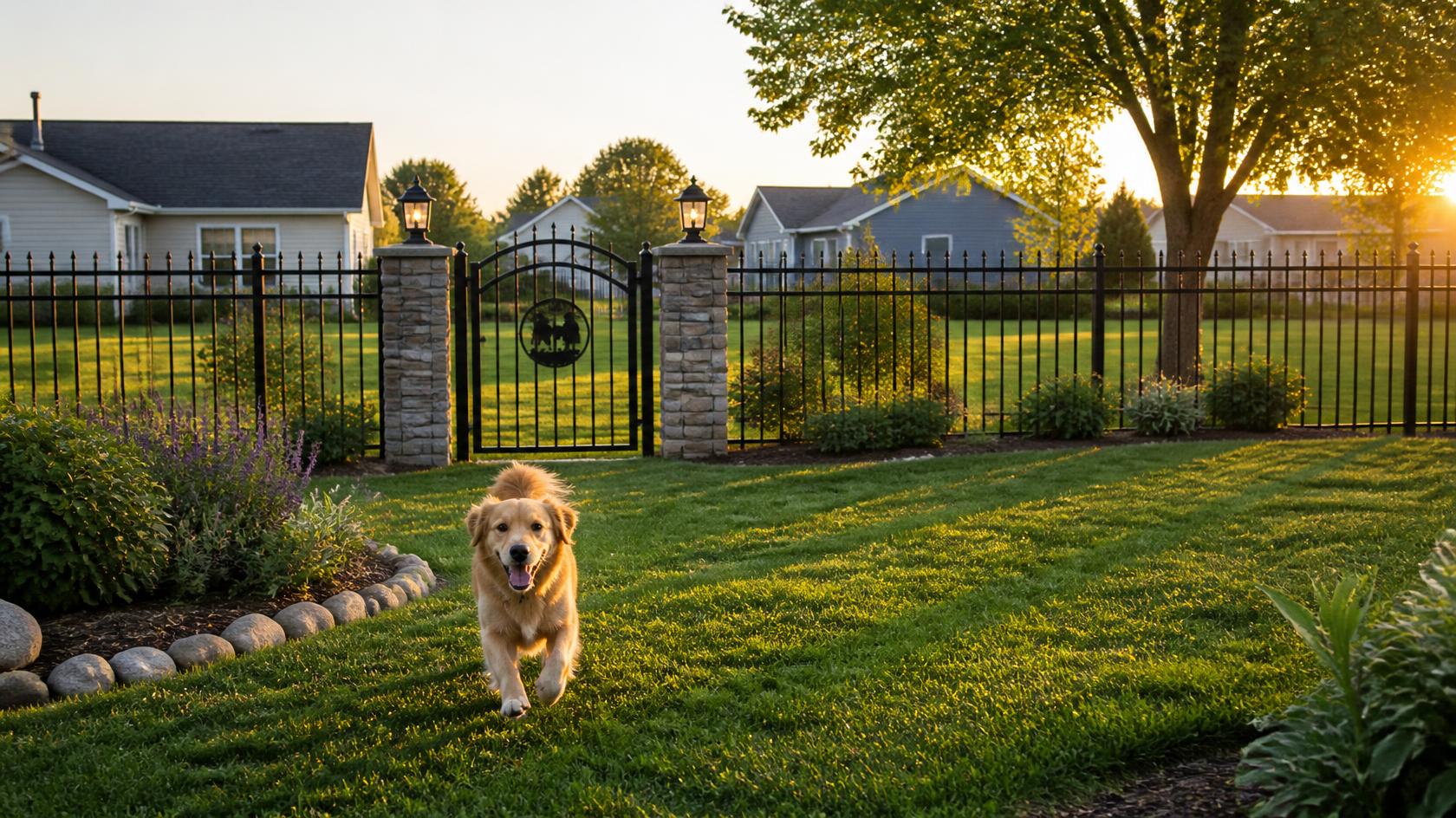
A dog-friendly fence in Winnebago should be planned around the pet’s size, jumping ability, digging habits, reactivity, and how the yard is used. Fence height, gate placement, ground gaps, drainage, and visibility all matter. Wood, vinyl, chain link, and aluminum can all work when the layout matches the dog and property.
Start With the Dog, Not the Fence Material
The best fence for one dog may not work for another.
Before choosing a material, think about whether your dog:
Jumps
Digs
Climbs
Chases wildlife
Reacts to neighboring dogs
Rushes gates
Tries to squeeze through openings
These behaviors should guide the height, privacy level, gate setup, and lower fence design.
Choose Height Based on Behavior
Fence height should reflect more than the dog’s physical size.
A medium-sized athletic dog may need a different enclosure than a larger but calmer dog.
Consider:
Jumping ability
Climbing behavior
Nearby distractions
Furniture or objects near the fence
Avoid placing benches, stacked firewood, planters, or storage containers beside the fence if they could become climbing aids.
Applicable local requirements should also be reviewed before finalizing height.
Solid Fencing Can Reduce Visual Triggers
Some dogs become more reactive when they can see people, animals, or vehicles outside the yard.
Solid fencing can help reduce those distractions.
Wood Privacy Fence
Wood offers strong screening and several design options, including solid vertical and board-on-board styles.
It works well where dogs need visual separation from:
Neighboring pets
Sidewalks
Roads
Wildlife activity
Wood should be inspected periodically for loose boards, splinters, rot, and damaged rails.
Vinyl Privacy Fence
Full-privacy vinyl also provides a solid visual barrier.
It offers:
Consistent screening
Smooth surfaces
No routine staining
Lower surface maintenance
Homeowners should still check posts, rails, gates, and hardware for movement or damage.
Chain Link Works Well for Practical Containment
Chain link can be a good option for dogs that do not need visual privacy.
It offers:
Open visibility
Airflow
Practical containment
Suitability for larger yards
Black vinyl-coated chain link can also blend into landscaping more subtly.
For reactive dogs, however, an open fence may allow too much visual stimulation.
Aluminum Can Work for Calm Dogs
Aluminum may be suitable for dogs that are calm and not likely to squeeze through openings.
Before choosing it, review:
Picket spacing
Fence height
Ground clearance
Dog size
Small dogs may need tighter spacing or another material.
Ground Gaps Matter as Much as Height
A tall fence is not secure if a dog can escape underneath it.
Check the planned fence line for:
Slopes
Low spots
Erosion
Uneven terrain
Gate openings
Ground gaps can change over time as soil settles or washes away.
Small dogs and puppies need extra attention in these areas.
Plan for Dogs That Dig
Some dogs focus on the bottom of the fence rather than the top.
Possible solutions may include:
Buried mesh where appropriate
Gravel borders
Reinforced lower sections
Landscape edging
First determine whether the opening is caused by digging or drainage.
If water is washing soil away, the drainage issue should be addressed rather than simply filling the gap.
Gates Are Often the Weakest Point
Many escapes happen at gates.
A dog-friendly gate should have:
Stable posts
Reliable hinges
Secure latches
Minimal side gaps
Appropriate bottom clearance
The gate should close naturally without needing to be lifted or forced into position.
If it regularly stops lining up, the posts or gate frame may be shifting.
Think About Gate Placement
Place gates where they are convenient but easy to control.
Good locations may include:
Near the driveway
Along a side-yard path
Near the patio
Avoid putting the main dog gate where it opens directly toward heavy traffic or another high-activity area when another layout is possible.
Consider a Two-Gate Entry
Dogs that rush open gates may benefit from a small transition area with two barriers.
This can be useful near:
Driveways
Front yards
Frequently used entrances
A two-gate setup gives homeowners another layer of control when visitors, deliveries, or yard work create frequent openings.
Separate Pet Access From Equipment Access
A daily dog gate does not need to be the same opening used for large equipment.
A second, wider gate may be useful for:
Riding mowers
Trailers
Landscaping equipment
Utility vehicles
Keeping the everyday gate smaller can make it easier to manage.
Wide gates should have strong posts, proper bracing, and dependable hardware.
Check Slopes Carefully
Sloped sections can create larger openings under the fence.
Depending on the material, sections may be:
Stepped
Installed to follow the grade more closely
Pay particular attention where slopes meet:
Gates
Corners
Low areas
These transition points can create escape gaps if they are not planned carefully.
Drainage Can Affect Pet Security
Heavy rain and snowmelt can change the ground beneath a fence.
Water may cause:
Erosion
Ground gaps
Post movement
Gate misalignment
Before installation, identify runoff paths and low areas.
After major storms, check those same locations again.
A secure dog fence needs stable ground as well as strong materials.
Avoid Landscaping That Hides Problems
Shrubs and plants can make the fence look better, but they should not hide the lower fence line.
Leave enough room to inspect:
Posts
Ground gaps
Digging areas
Gate hardware
Dense vegetation can make it harder to spot escape points early.
Think About Winter Use
Winnebago winters can affect how dogs use the yard.
Plan ahead for:
Snow piles
Gate clearance
Shoveled pet paths
Snowblower routes
Avoid positioning the main gate where snow will regularly block access.
Snow can also hide ground gaps, so those should be addressed before winter.
Repair Problems Quickly
A small fence defect can become a pet safety problem.
Watch for:
Loose boards
Bent mesh
Cracked panels
Weak latches
Leaning posts
New ground gaps
Targeted repairs may be enough when the rest of the fence remains stable.
If several sections are failing, replacement may be more practical.
A Simple Dog Fence Planning Checklist
Before installation, confirm:
Appropriate fence height
Secure gate locations
Minimal ground gaps
Safe latch placement
Digging risks
Slopes
Drainage
Equipment access
Winter gate access
Visual privacy needs
These details matter just as much as the fence material itself.
Request a Free Dog Fence Estimate
Arrow Fence helps Winnebago homeowners plan fencing for dogs, backyard privacy, secure gates, and safer outdoor use.
Whether you are considering wood, vinyl, chain link, aluminum, mixed-material fencing, repair, or replacement, Arrow Fence can help you compare practical options for your property and your pet.
Contact Arrow Fence at arrowfencerockford.com to request a free estimate for your dog fence project.
