
Fence Installation in Genoa, IL: How to Prepare Your Yard This Fall
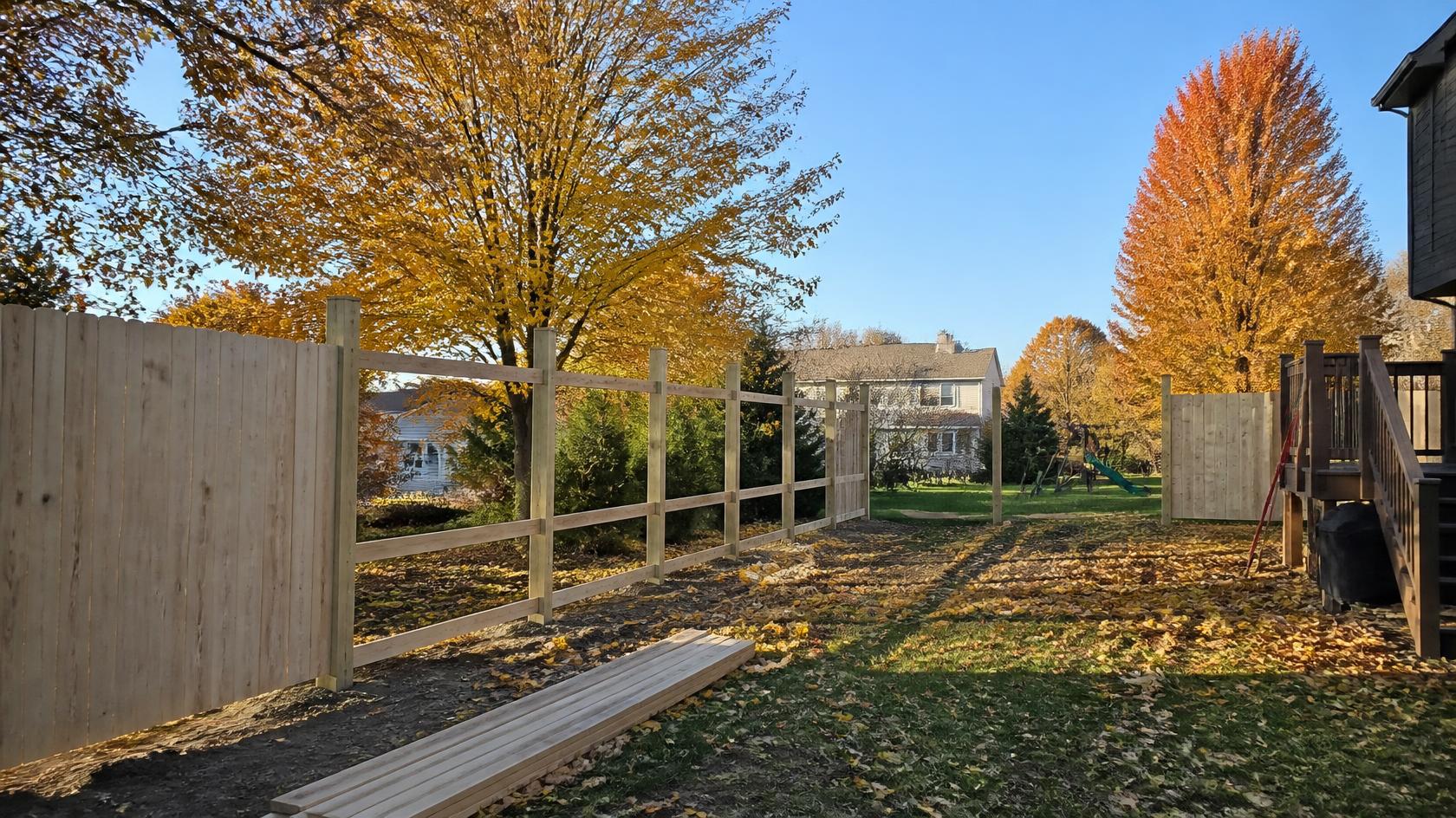
Preparing your yard before a fall fence installation in Genoa can make the project smoother and help prevent last-minute layout changes. Homeowners should clear the fence line, confirm gate locations, review drainage and slopes, plan for pets and equipment access, and make sure the yard will remain practical once winter weather arrives.
Start With the Fence Layout
Before clearing the yard, make sure you know where the fence is expected to go.
Review the planned line around:
Property boundaries
Driveways
Patios
Sheds
Gardens
Side yards
Utility areas
Do not assume an older fence, row of shrubs, or mowing line automatically marks the correct boundary.
Any uncertainty about the layout should be addressed before posts are installed.
Decide What the Fence Needs to Do
The purpose of the fence affects nearly every other decision.
Homeowners may be installing a fence for:
Privacy
Dogs
Children
Property definition
Outdoor living
Equipment security
Replacing an aging fence
Knowing the primary goal helps determine the material, height, gate locations, and overall layout.
Choose the Material Before Installation Day
Each fence material creates a different look and level of maintenance.
Wood
Wood provides a natural appearance and strong privacy options.
Common designs include solid vertical, board-on-board, shadowbox, and horizontal fencing.
Vinyl
Vinyl works well for homeowners who want consistent privacy with less routine surface maintenance.
Chain Link
Chain link is practical for pets, larger yards, and long property boundaries where open visibility is acceptable.
Aluminum
Aluminum provides an open, decorative boundary and works well around landscaping.
Choosing early helps avoid last-minute design changes.
Clear the Planned Fence Line
Installers need access to the ground where posts and sections will go.
Before work begins, move:
Outdoor furniture
Toys
Garden hoses
Planters
Firewood
Stored equipment
Temporary decorations
A clear fence line also makes it easier to spot ground conditions that may affect installation.
Trim Shrubs and Vines
Overgrown vegetation can block access and hide obstacles.
Trim back:
Shrubs
Vines
Low branches
Tall weeds
Leave enough space to work around the fence line without damaging nearby landscaping.
Fall is a useful time to do this because summer growth can make some areas difficult to inspect.
Clear Fallen Leaves
Leaves can cover:
Low areas
Roots
Old footings
Erosion
Ground obstacles
Removing them before installation helps make the surface easier to evaluate.
It also gives homeowners a better view of drainage problems before winter.
Check Drainage After Fall Rain
Fall rain can show where water naturally moves through the yard.
Look for:
Standing water
Mud
Erosion
Downspout runoff
Soft soil
Fence posts rely on stable ground.
If water repeatedly moves through the proposed fence line, the issue should be considered before installation.
A new fence should not simply hide an existing drainage problem.
Look Closely at Sloped Areas
Slopes can affect both appearance and ground clearance.
Depending on the fence system, sections may need to be:
Stepped
Installed to follow the grade more closely
For homeowners with dogs, slopes deserve extra attention because they can create larger openings under the fence.
The transition between a slope and a gate should also be planned carefully.
Identify Tree Roots Early
Large roots can affect where posts can reasonably be placed.
Walk the proposed fence line and look for:
Mature trees
Exposed roots
Large shrubs
Stumps
Forcing a post location directly through a major root may not be practical.
Sometimes a slight layout adjustment provides a better solution.
Plan Gates Before Posts Go In
Gate locations should be decided early.
Think about how you move between:
The driveway
House
Backyard
Patio
Side yard
You may need:
A standard walk gate
A mower gate
Double-gate access
A separate equipment entrance
Gate placement can significantly affect how useful the fence feels after installation.
Measure Equipment Before Choosing Gate Width
If you need wider access, measure the equipment first.
This may include:
Riding mowers
Trailers
Landscaping equipment
Utility vehicles
A gate that is only slightly too narrow can create a long-term inconvenience.
Wider gates also require stronger posts, hinges, framing, and hardware.
Plan Around Pets
If the fence will contain dogs, review the yard from their perspective.
Think about whether your dog:
Jumps
Digs
Climbs
Reacts to outside activity
Rushes gates
Then check:
Fence height
Ground gaps
Gate security
Digging areas
Visual privacy
These details are easier to solve before installation than afterward.
Prepare for Old Fence Removal
If the project involves replacement, the existing fence may need to be removed first.
Old fencing can include:
Posts
Concrete footings
Boards
Panels
Gates
Hardware
Ask whether removal, hauling, disposal, and cleanup are included in the project scope.
Old post locations may also influence the new layout.
Move Items Away From Side Yards
Side yards can become tight work areas.
Move trash containers, tools, hoses, and stored materials away from planned gate and fence locations.
If access is narrow, clearing the route can make it easier to move:
Fence materials
Equipment
Removed debris
This is especially important when the backyard has limited access from the front.
Review Landscaping You Want to Keep
Before installation, identify plants or features that should remain untouched.
These may include:
Garden beds
Decorative edging
Shrubs
Small trees
Lighting
Knowing what should stay can help prevent unnecessary conflicts with the fence line.
Leave enough room for future trimming and fence maintenance where possible.
Think About Fall Weather
Genoa weather can change quickly as winter approaches.
Potential scheduling factors include:
Heavy rain
Soft ground
Strong wind
Early snow
Freezing temperatures
Fall installation may still be practical when conditions are workable, but earlier planning provides more flexibility.
Plan for Winter Gate Access
A fence installed in fall should remain usable after snow arrives.
Think about:
Gate swing
Shoveled paths
Snowblower routes
Snow pile locations
Avoid placing the primary gate where snow is normally stored.
A gate can be perfectly installed but still become difficult to use if winter access was not considered.
Check Wind Exposure
Solid privacy fencing catches more wind than open styles.
Walk the yard and identify exposed areas such as:
Open rear boundaries
Long straight fence runs
Corners
Gate openings
These locations deserve careful structural planning.
If complete privacy is only needed in part of the yard, a mixed layout may also be worth considering.
Make Final Decisions Before Installation
Last-minute changes can affect:
Post locations
Material quantities
Gate widths
Project timing
Before work starts, confirm:
Fence material
Fence height
Layout
Gate locations
Gate widths
Privacy areas
Pet needs
A clear plan makes the installation easier to manage.
Fall Yard Preparation Checklist
Before your Genoa fence project begins, make sure you have:
Reviewed the fence layout
Cleared the fence line
Trimmed vegetation
Removed fallen leaves
Checked drainage
Identified slopes
Noted tree roots
Finalized gates
Measured equipment
Planned for pets
Reviewed old fence removal
Considered winter access
These steps can help reduce surprises once installation begins.
Request a Free Fence Installation Estimate
Arrow Fence helps Genoa homeowners plan fencing for privacy, pets, property boundaries, backyard use, and gate access.
Whether you are considering wood, vinyl, chain link, aluminum, replacement, or a new installation, Arrow Fence can help you review practical options for your yard.
Contact Arrow Fence at arrowfencerockford.com to request a free estimate for your fence installation project.
