
Fence Installation Near Me in South Beloit, IL: What to Ask Before Booking
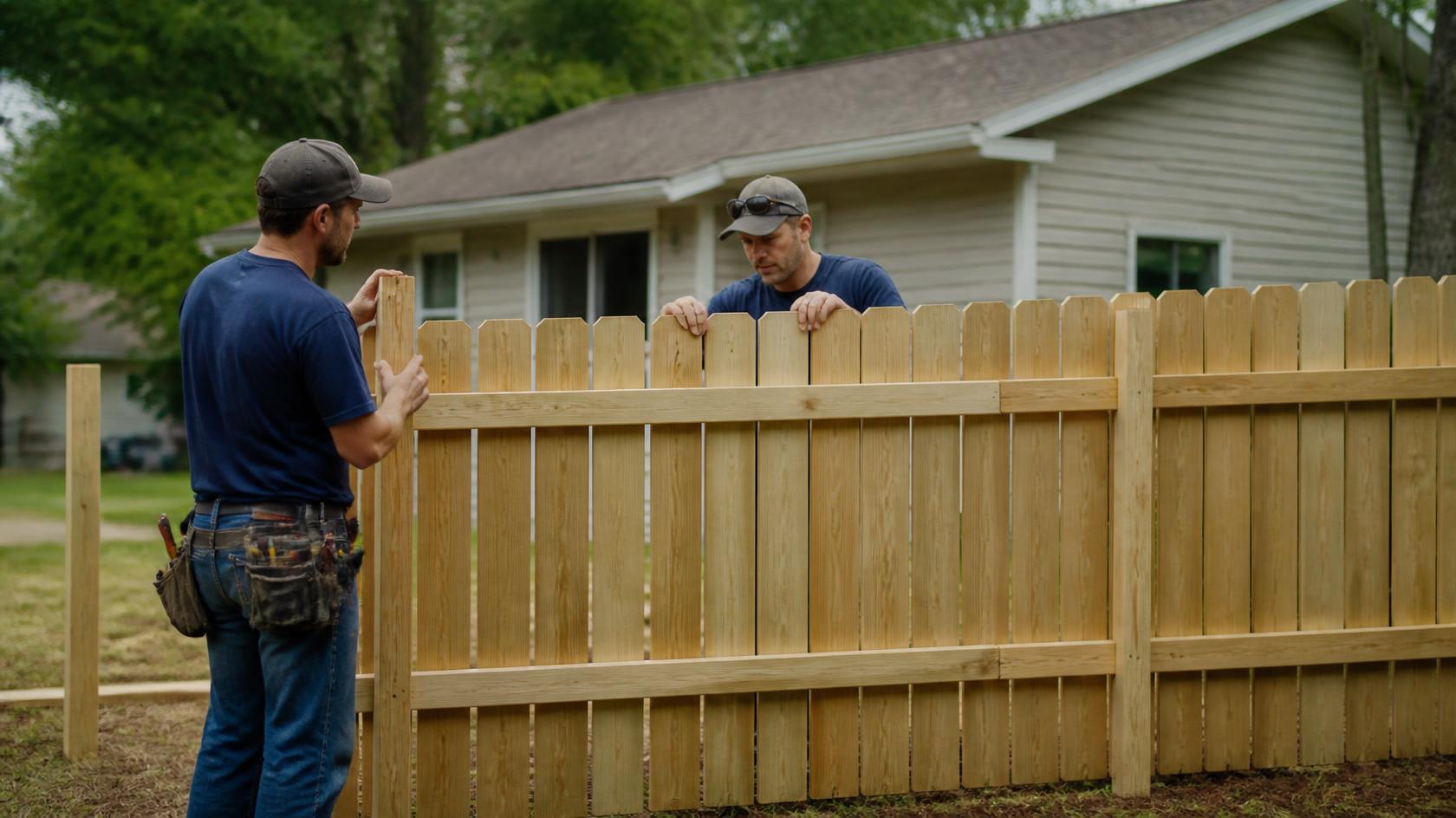
When searching for fence installation near you in South Beloit, the best questions go beyond price. Homeowners should ask about materials, project scope, gates, site preparation, old fence removal, drainage, property boundaries, scheduling, cleanup, and what is actually included in the estimate before booking the work.
Start With the Exact Fence You Need
Before contacting a fence contractor, have a basic idea of what you want the fence to accomplish.
Common reasons include:
Backyard privacy
Pet containment
Property definition
Outdoor living privacy
Side-yard screening
Garden protection
Improved curb appeal
You do not need every detail figured out before requesting an estimate, but knowing the main goal makes it easier to compare recommendations.
A contractor should be able to explain how different materials and layouts fit those priorities.
Ask Which Fence Materials Make Sense for Your Property
South Beloit homeowners may consider several common materials.
Wood
Wood works well for homeowners who want:
Natural appearance
Strong privacy
Flexible designs
Custom stains and finishes
It usually requires more ongoing surface maintenance than vinyl, chain link, or aluminum.
Vinyl
Vinyl is useful for:
Full privacy
Clean appearance
Lower routine maintenance
Pet areas
It does not need regular painting or staining.
Chain Link
Chain link can be practical for:
Dogs
Larger yards
Long property lines
Side-yard enclosures
It provides visibility and airflow but less privacy.
Aluminum
Aluminum is a good option where homeowners want:
Decorative appearance
Open views
Relatively simple upkeep
Ask the contractor to explain why a particular material makes sense for your yard instead of simply recommending one option.
Ask What Is Included in the Estimate
A fence estimate should make the project scope clear.
Ask whether the quote includes:
Fence materials
Posts
Rails
Boards or panels
Gates
Hardware
Installation labor
Old fence removal
Disposal
Cleanup
Site preparation
Do not assume that every contractor includes the same items.
A lower quote may exclude work that appears in another contractor's total.
Ask About Fence Height
Fence height affects:
Privacy
Pet containment
Appearance
Wind exposure
Material use
Ask what height is recommended for the project and why.
A homeowner seeking patio privacy may have different needs than someone installing a fence primarily for a small dog.
Height should match the purpose rather than being selected without considering the property.
Ask How Property Boundaries Will Be Handled
A new fence should be installed in the correct location.
Ask how the project will account for:
Property markers
Surveys
Easements
Existing fence lines
Utility areas
Do not assume an old fence, hedge, garden edge, or mowing line represents the actual property boundary.
Homeowners should also review applicable local requirements before installation.
Ask How Underground Utilities Are Addressed
Fence installation involves digging for posts.
Before work begins, the location of underground utilities needs to be considered.
Ask what steps are involved before digging and whether the homeowner needs to handle anything beforehand.
This should be resolved before the first post hole is started.
Ask How Gates Will Be Planned
Gate placement is easy to underestimate.
Ask where gates should go based on:
Daily walking routes
Driveways
Mowing access
Pet use
Outdoor equipment
Future landscaping
A standard walk gate may be enough for everyday use.
A wider gate may be necessary for:
Riding mowers
Trailers
Utility vehicles
Landscaping equipment
Large outdoor furniture
Measure equipment before choosing the final opening width.
Ask What Type of Gate Hardware Is Included
The gate itself is only part of the system.
Ask about:
Hinges
Latches
Reinforcement
Gate posts
Bracing
Wide gates place more stress on hardware and posts.
A contractor should be able to explain how the gate will be supported and why that setup fits the fence material.
Ask How Slopes Will Be Handled
Uneven ground can affect the appearance and function of a fence.
Depending on the material, sections may be:
Stepped
Installed to follow the grade more closely
Ask how the contractor plans to handle elevation changes.
This is especially important for pet owners because poorly planned slopes can create large openings beneath the fence.
Ask About Ground Gaps
Ground clearance deserves specific attention.
Ask how the fence will handle:
Low spots
Slopes
Gate openings
Uneven terrain
Large ground gaps can affect:
Pet security
Privacy
Appearance
If you have a small dog or puppy, mention that during the estimate rather than waiting until after installation.
Ask How Drainage Affects the Fence Plan
Drainage can influence post stability and ground clearance.
Ask the contractor to look for:
Standing water
Erosion
Downspout discharge
Low areas
Runoff paths
Soft soil
Heavy rain and snowmelt can gradually remove soil from around posts or beneath panels.
The fence should work with the natural drainage of the yard rather than creating new problems.
Ask About Wind Exposure
Solid privacy fences catch more wind than open designs.
If your yard is exposed, ask how the proposed fence will account for wind.
This is especially important for:
Solid wood privacy
Full-privacy vinyl
Chain link with privacy screening
Stable posts and appropriate installation matter more than simply choosing a strong-looking panel.
Ask About Pet-Friendly Options
If the fence is for dogs, explain how your pet behaves.
Mention whether the dog:
Jumps
Digs
Climbs
Reacts to neighboring pets
Chases wildlife
Rushes gates
Ask which fence style would best address those behaviors.
Solid wood or vinyl may help dogs that benefit from blocked views.
Chain link may work well for dogs that do not need visual privacy.
Ask How the Yard Should Be Prepared
Find out what needs to be moved before installation.
Typical preparation may include clearing:
Outdoor furniture
Garden hoses
Planters
Toys
Stored equipment
Temporary decorations
Shrubs, vines, or branches may also interfere with the proposed fence line.
Ask what the contractor expects the homeowner to clear and what will be handled as part of the project.
Ask About Existing Fence Removal
If you already have a fence, ask whether removal is included.
Find out whether the estimate covers:
Panels
Posts
Gates
Concrete
Hardware
Hauling
Disposal
Old post footings can sometimes require additional work.
It is better to understand that before approving the project.
Ask Whether Repair Is Worth Considering
If your existing fence is damaged but not completely failing, ask whether repair is a realistic option.
Minor repairs may include:
Replacing boards
Fixing rails
Adjusting gates
Replacing hardware
Stabilizing a post
Replacement may be more appropriate when damage is widespread or the current layout no longer fits your needs.
A useful consultation should help distinguish between the two.
Ask About Cleanup After Installation
Homeowners should know what condition the property will be left in after the work is completed.
Ask whether cleanup includes:
Packaging
Old materials
Fence debris
Removed hardware
Excess installation debris
Knowing this beforehand prevents uncertainty once the installation is finished.
Ask About Project Timing
Ask how scheduling works and what could affect the project timeline.
Possible considerations include:
Weather
Material availability
Yard conditions
Site preparation
Existing fence removal
For fall projects, colder temperatures, wet soil, shorter days, and approaching frozen ground may also affect planning.
Avoid relying on a general timeline without discussing your specific property.
Ask How Weather Delays Are Handled
Northern Illinois weather can change quickly.
Ask what happens if installation is affected by:
Heavy rain
High winds
Snow
Frozen ground
Unsafe site conditions
A clear answer can help homeowners understand how scheduling changes are communicated.
Ask About Long-Term Maintenance
The contractor should explain what care the selected fence will need.
Wood
Ask about inspections, cleaning, finishing, and board repairs.
Vinyl
Ask about cleaning, gate adjustments, and replacing damaged components.
Chain Link
Ask about mesh tension, posts, gates, and hardware.
Aluminum
Ask about hardware, posts, gates, and damaged sections.
Understanding maintenance before installation can help prevent choosing a material that does not fit your preferences.
Compare More Than the Final Price
When reviewing estimates, compare the actual project scope.
Make sure the quotes use the same:
Material
Fence height
Fence style
Total footage
Gate quantity
Gate widths
Removal scope
Site preparation
A cheaper estimate may not be the better value if important work has been left out.
Look for Clear Communication
Before booking, pay attention to whether the contractor clearly answers questions.
You should understand:
What will be installed
Where it will be installed
Which material is being used
What work is included
What the homeowner needs to prepare
How gates and access will function
Unclear project details before installation can create confusion later.
Final Questions to Ask Before Booking
Before approving a fence installation, make sure you have answers to:
Which fence material fits my property?
What height is being installed?
What exactly is included in the estimate?
How many gates are included?
What are the gate widths?
How will slopes be handled?
How will drainage be considered?
Is existing fence removal included?
What yard preparation is required?
How will cleanup be handled?
What maintenance will the fence need?
What can affect scheduling?
A good fence project should begin with a clear scope.
Request a Free Fence Estimate
Arrow Fence helps South Beloit homeowners plan residential fencing for privacy, pets, backyards, side yards, gates, and outdoor living areas.
Whether you are considering wood, vinyl, chain link, aluminum, fence repair, replacement, or a new installation, Arrow Fence can help you compare practical options for your property.
Contact Arrow Fence at arrowfencerockford.com to request a free estimate for your fence installation project.
