
Fence Installation Quote in Davis Junction, IL: What Should Be Included?
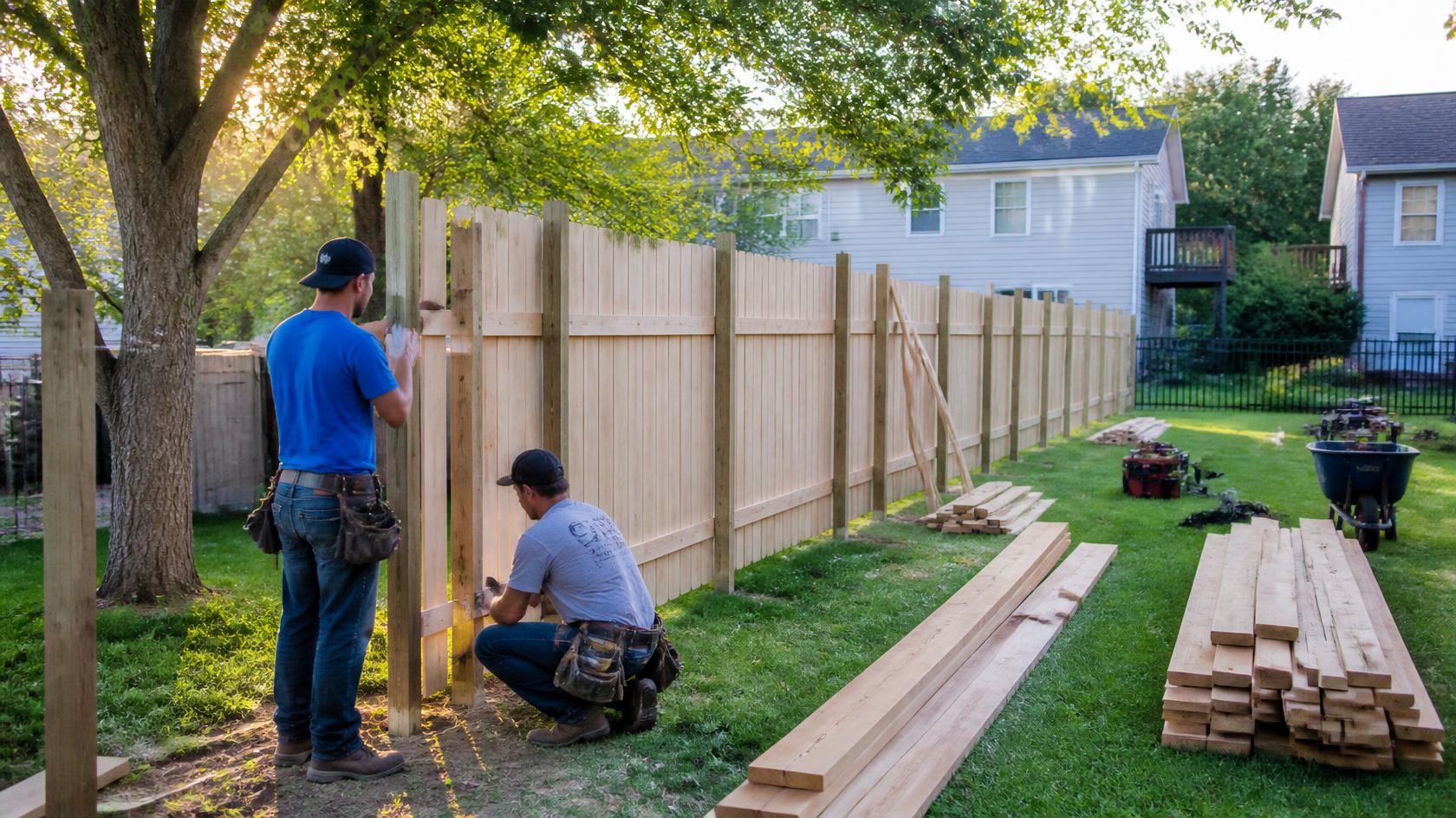
A fence installation quote in Davis Junction should clearly explain the material, fence height, total footage, posts, gates, hardware, labor, site preparation, removal work, cleanup, and other project-specific costs. Homeowners should compare quotes based on the same scope, not just the final number, because exclusions involving gates, old fence removal, difficult terrain, or disposal can significantly change the real project cost.
A Good Fence Quote Should Be Easy to Understand
When homeowners request estimates from different fence contractors, the totals may look very different.
That does not always mean one company is simply more or less expensive.
The quotes may cover different work.
One estimate might include:
Existing fence removal
Two gates
Cleanup
Hauling
Another may list only the new fence installation.
Before comparing prices, make sure you understand exactly what each quote includes.
Fence Material Should Be Clearly Identified
The estimate should state which material will be installed.
Common residential options include:
Wood
Vinyl
Chain link
Aluminum
The quote should also make the style clear when relevant.
For example, a wood fence could be:
Solid privacy
Board-on-board
Shadowbox
Picket
Vinyl may be full-privacy, semi-private, or another style.
Different designs use different amounts of material and labor, so “wood fence” or “vinyl fence” alone may not provide enough detail.
Fence Height Should Be Listed
Height is another important part of the project scope.
A privacy fence may require considerably more material than a shorter decorative or property-boundary fence.
The quote should identify the planned height so homeowners know they are comparing the same type of installation.
Height can also influence:
Privacy
Pet containment
Wind exposure
Appearance
The best height should reflect the actual purpose of the fence and applicable requirements.
Total Fence Footage Should Be Included
The estimate should indicate how much fencing is being installed.
Total footage affects:
Material quantities
Number of posts
Labor
Rails
Panels or boards
If two contractors measured the property differently, their quotes may not be based on the same project.
Ask questions if the measurements vary noticeably between estimates.
Posts and Structural Components Should Be Part of the Scope
Posts are one of the most important parts of a fence system.
A quote should account for the structural components needed for the selected material.
Depending on the fence, these may include:
Line posts
Corner posts
End posts
Gate posts
Rails
Brackets
Other connections
Homeowners should not focus only on the visible boards or panels.
Strong structural support is essential for keeping the fence aligned through wind, seasonal soil movement, and everyday use.
Gates Should Be Listed Separately
Gates can have a noticeable impact on the project cost.
The quote should specify:
Number of gates
Approximate widths
Gate material
Hardware
Any special reinforcement
Do not assume that a gate shown on a drawing is automatically included in the quoted price.
Ask for confirmation.
Make Sure Gate Width Matches How You Use the Yard
Before approving the quote, think beyond basic walking access.
You may need room for:
Riding mowers
Trailers
Landscaping equipment
Utility vehicles
Large patio furniture
A narrow gate can become frustrating after the fence is installed.
Measuring your largest equipment before finalizing the project can prevent future modifications.
Hardware Should Not Be Overlooked
Gate hinges, latches, brackets, and other hardware are small parts of the overall project, but they affect daily use.
A quote should make clear whether the necessary hardware is included.
For gates, ask what is being used for:
Hinges
Latches
Bracing
Support
Wider gates usually place more stress on posts and hardware than standard walk gates.
Labor Should Be Included Clearly
The estimate should explain whether installation labor is included in the total.
Homeowners should understand whether the contractor is quoting:
Materials only
Labor only
A complete installed project
For most homeowners, a complete estimate is easier to evaluate because it shows the expected project scope in one place.
Existing Fence Removal May Be a Separate Cost
If an old fence is already present, find out exactly what happens to it.
Removal may involve:
Boards
Panels
Posts
Concrete footings
Gates
Hardware
The amount of work can vary considerably depending on the condition and construction of the existing fence.
A quote should state whether removal is included or priced separately.
Hauling and Disposal Should Be Addressed
Removing the fence from the ground is only part of the job.
The old materials also need to go somewhere.
Ask whether the estimate includes:
Hauling
Disposal
Removal of concrete
General debris cleanup
If disposal is not included, homeowners may need to make separate arrangements.
This is an important detail when comparing totals.
Site Preparation Should Be Discussed
Some yards require more preparation than others.
Site conditions that may affect the project include:
Heavy vegetation
Vines
Shrubs
Tree roots
Retaining walls
Sheds
Tight access
Ask what the homeowner is expected to clear before installation.
A well-defined quote helps prevent confusion about who handles preparation.
Slopes May Affect the Installation Scope
A fence on flat ground is usually more straightforward than one crossing changing elevations.
On sloped properties, the fence may need to be:
Stepped
Installed to follow the grade more closely
The correct method depends on the material and property.
Pet owners should pay particular attention to slopes because changes in grade can create openings beneath the fence.
If your property has noticeable elevation changes, make sure they were considered in the estimate.
Drainage Problems Should Be Identified Early
A quote may not automatically include drainage work, but drainage conditions can affect fence installation.
Before approving the project, look for:
Standing water
Erosion
Soft soil
Runoff
Downspout discharge
Posts installed in problem areas may need additional planning.
If erosion is already affecting the old fence, simply installing new fencing without addressing the cause may lead to future problems.
Property Layout Should Be Confirmed
Make sure the planned fence line is clearly understood.
Important considerations may include:
Property boundaries
Existing markers
Easements
Driveways
Side yards
Structures
Utility areas
Do not automatically assume the old fence is positioned correctly.
Any boundary questions should be addressed before installation begins.
Cleanup Should Be Included or Clearly Excluded
Ask what happens after installation is complete.
Will the contractor remove:
Packaging
Material scraps
Old hardware
Fence debris
The final condition of the yard should not be left unclear.
A detailed quote should explain what cleanup is included.
Ask About Changes to the Project Scope
Homeowners sometimes make changes after receiving an estimate.
Examples include:
Adding another gate
Choosing a taller fence
Changing materials
Extending the fence line
Adding privacy sections
These changes can affect the total.
Ask how project changes are handled so there are no surprises later.
Compare Wood Quotes Carefully
Wood fencing can vary significantly by design.
Make sure estimates are based on comparable styles.
For example, a basic vertical privacy fence and a board-on-board design do not use the same amount of material.
Wood quotes may also differ depending on:
Height
Gate design
Decorative features
Finish expectations
Homeowners should compare equivalent specifications.
Compare Vinyl Quotes by Fence Style
Not all vinyl fencing is the same.
A quote should identify whether the project uses:
Full-privacy panels
Semi-private panels
Picket-style sections
Different designs can affect the material quantity, appearance, privacy level, and installation requirements.
Chain Link Quotes Should Include the Framework
Chain link quotes should cover more than the mesh.
The fence system also includes components such as:
Posts
Top rails
Tension components
Gates
Hardware
If black vinyl-coated chain link or privacy additions are being considered, make sure those features are clearly identified.
Aluminum Quotes Should Match the Design
Aluminum fencing can vary by:
Height
Picket style
Decorative details
Gate quantity
Homeowners should confirm exactly which design is being quoted.
Small differences in style can make two estimates difficult to compare directly.
Weather and Scheduling Should Be Discussed
For fall projects in Davis Junction, homeowners should ask what conditions could affect scheduling.
Possible factors include:
Heavy rain
Saturated ground
Wind
Early snow
Frozen soil
The estimate does not need to guarantee a specific weather outcome, but the contractor should explain how scheduling changes are handled.
Ask Whether the Quote Has a Clear Scope
Before approving an estimate, you should be able to answer:
What material am I getting?
What style is being installed?
What height is included?
How much fencing is included?
How many gates are included?
Is old fence removal included?
Is disposal included?
Is cleanup included?
Are slopes accounted for?
What preparation is my responsibility?
If any of these remain unclear, ask before booking.
Do Not Compare Quotes on Price Alone
A lower price is not automatically a better value.
One quote may include a complete installation, while another leaves several project costs outside the total.
Compare:
Material
Height
Footage
Gates
Hardware
Removal
Disposal
Preparation
Cleanup
The more closely the scopes match, the more useful the comparison becomes.
Request a Detailed Fence Installation Estimate
Arrow Fence helps Davis Junction homeowners plan residential fencing for privacy, pets, backyards, property boundaries, and improved gate access.
Whether you are considering wood, vinyl, chain link, aluminum, fence replacement, or a completely new installation, Arrow Fence can help you review the project scope before work begins.
Contact Arrow Fence at arrowfencerockford.com to request a free estimate for your fence installation project.
