
Fence Installation for Small Yards in Loves Park, IL: Privacy and Space Planning
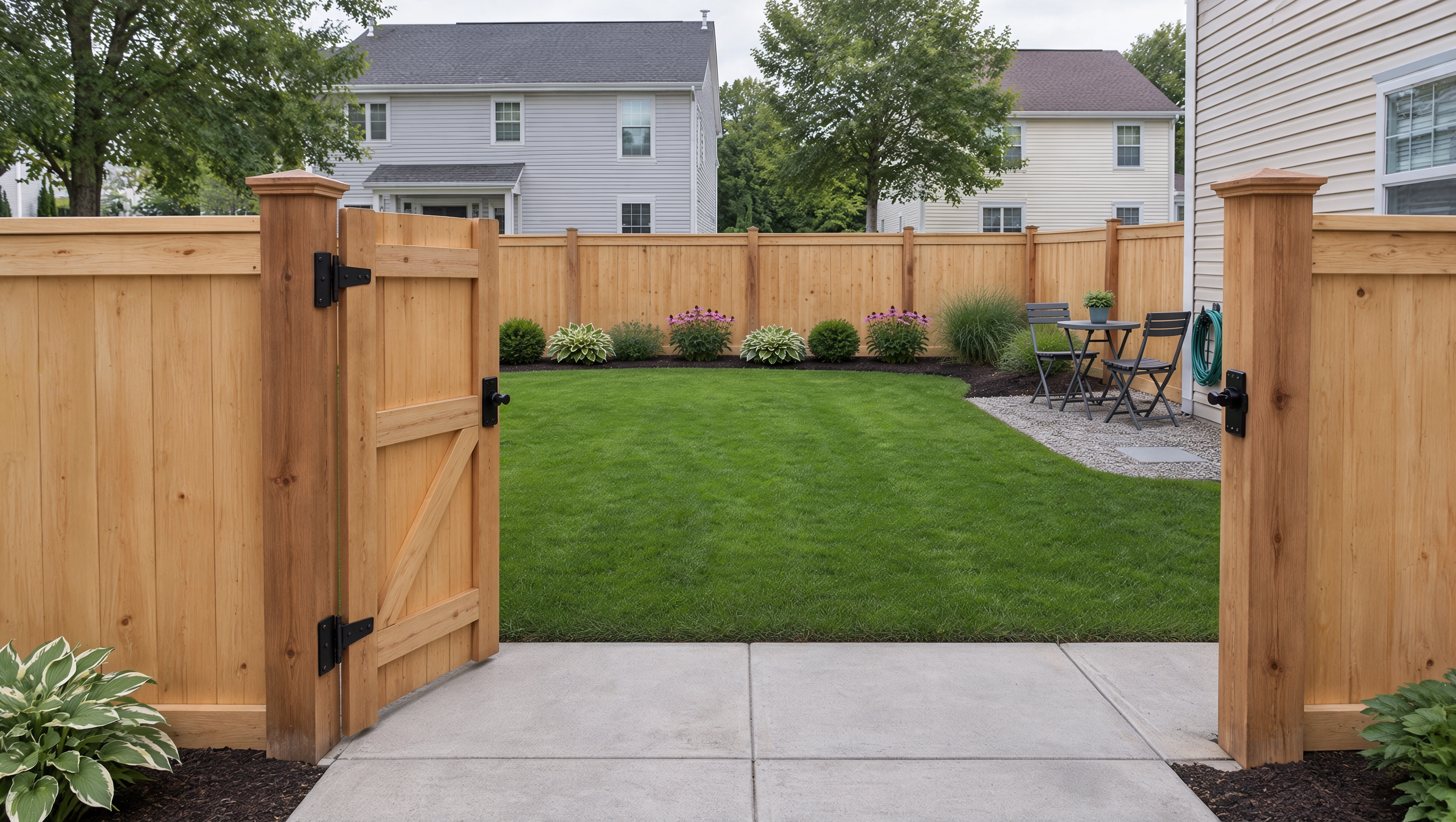
A small yard needs careful fence planning because height, material, gate placement, and privacy can make the space feel either comfortable or crowded. Loves Park homeowners should focus on targeted screening, practical access, clean sightlines, and materials that fit the way the yard is used.
Start With How the Yard Is Used
In a small backyard, every part of the layout matters.
Before choosing a fence, decide which areas need to serve as:
Patio space
Pet area
Garden space
Walkway
Storage
Outdoor seating
The fence should support those uses instead of taking away valuable space.
A good layout can make a compact yard feel more organized and private without making it feel closed in.
Decide Where Privacy Is Actually Needed
Full privacy around every side of a small yard may not always be necessary.
Instead, identify the areas where screening matters most.
These may include:
A patio
Neighbor-facing windows
A side yard
A seating area
A pet space
Using solid fencing only where it provides a clear benefit can help maintain a more open feeling elsewhere.
Wood Can Create Warm, Natural Privacy
Wood fencing works well in small yards when homeowners want privacy with a softer, more natural appearance.
Possible styles include:
Solid Vertical Wood
Closely spaced boards provide strong screening and a traditional look.
Board-on-Board
Overlapping boards help reduce sightlines as the wood naturally expands and contracts.
Shadowbox
Shadowbox fencing provides partial privacy while allowing more airflow and visual depth.
In compact yards, shadowbox can sometimes feel less visually heavy than a completely solid wall.
Vinyl Offers Clean, Consistent Screening
Full-privacy vinyl can give a small yard a neat, uniform appearance.
It works well around:
Patios
Neighbor-facing boundaries
Side yards
Pet areas
Vinyl also requires less routine surface maintenance because it does not need regular staining or sealing.
For homeowners who want a clean look with strong privacy, it can be a practical option.
Semi-Private Designs Can Help the Yard Feel Larger
A completely solid fence may make a compact yard feel smaller.
Semi-private wood or vinyl can provide separation while allowing:
More airflow
More light
Partial views
This can make the yard feel less boxed in.
It may be especially useful along boundaries where full screening is not necessary.
Consider More Open Materials in Selected Areas
Chain link and aluminum can help maintain visual openness.
Chain Link
Chain link can work well for pets or side boundaries where privacy is not the main concern.
Aluminum
Aluminum offers a cleaner, more decorative appearance while keeping landscaping visible.
Using an open material along one side of the yard can help balance solid privacy fencing elsewhere.
Mixed-Material Layouts Can Work Well
Small yards sometimes benefit from using different fence types for different purposes.
For example:
Vinyl near a patio
Wood along a shared property line
Aluminum near landscaping
This can provide privacy where it matters while keeping other areas open.
A mixed layout can also help the fence feel more intentional rather than overwhelming the entire backyard.
Choose Fence Height Carefully
In a small yard, fence height has a strong visual effect.
A taller fence may provide more privacy but can also make the space feel more enclosed.
Consider:
Neighboring sightlines
Patio location
Pet containment
Yard dimensions
Wind exposure
Applicable local requirements should be reviewed before the final height is selected.
More height is not automatically better if a shorter design already provides the privacy you need.
Keep the Fence Line Simple
Too many corners and changes in direction can make a small yard feel fragmented.
Where possible, keep the layout clean and straightforward.
A simpler design can:
Improve sightlines
Make the yard feel larger
Reduce unnecessary transitions
Keep access easier
The fence should frame the space rather than visually break it into too many small sections.
Gate Placement Is Especially Important
A poorly located gate can waste valuable usable space.
Think carefully about how people move between:
The house
Driveway
Backyard
Patio
Side yard
The gate should support the natural walking path.
Avoid placing it where the swing interferes with furniture, landscaping, or narrow walkways.
Choose the Right Gate Width
Small yards still need practical equipment access.
Before selecting gate width, measure items such as:
Push mowers
Riding mowers
Garden carts
Landscaping equipment
Do not make the opening larger than necessary if a wide gate would dominate the space.
If larger equipment needs occasional access, a separate wider opening may be worth planning.
Think About Gate Swing
Gate swing matters more when space is limited.
A gate that opens into:
A patio
A narrow walkway
A garden bed
can quickly become inconvenient.
Plan the swing before post locations are finalized.
The gate should open fully without forcing homeowners to rearrange outdoor furniture or other features.
Plan Carefully for Dogs
Small yards can still provide good pet space when the fence is planned well.
Consider:
Fence height
Ground gaps
Gate security
Digging behavior
Outside visibility
Reactive dogs may benefit from solid wood or vinyl because these materials block outside activity.
Smaller dogs also need careful attention around lower fence gaps.
Preserve Usable Patio Space
Privacy fencing can improve a patio, but the layout should not make the seating area feel cramped.
Before installation, consider:
Furniture placement
Walking space
Grill location
Gate clearance
If possible, keep the fence line from cutting unnecessarily into usable patio space.
A clean backdrop can improve privacy without taking over the area.
Use Landscaping to Soften the Fence
Plants can help a small-yard fence feel more integrated into the property.
Consider leaving room for:
Narrow garden beds
Ornamental grasses
Small shrubs
Climbing plants where appropriate
Avoid overcrowding the fence line.
There should still be enough access for inspections, cleaning, and repairs.
Check Drainage Before Installation
Small yards can have concentrated runoff from roofs, patios, and neighboring surfaces.
Before installing the fence, look for:
Standing water
Downspout discharge
Soft ground
Erosion
Low spots
Poor drainage can affect post stability and create ground gaps.
A fence should be planned around existing water movement rather than blocking it.
Slopes Can Affect Space and Appearance
Even a modest slope can affect a compact yard.
Depending on the fence system, sections may need to be stepped or installed to follow the grade.
Pay special attention to:
Gate areas
Pet gaps
Transitions between sections
A poorly planned grade change can make the fence look uneven or create unusable space along the bottom.
Think About Wind Exposure
Solid privacy fencing catches more wind than open fence styles.
This matters around:
Long solid sections
Corners
Gate posts
If full privacy is only needed near one area, keeping another section more open can improve airflow and reduce the visual weight of the fence.
Keep Maintenance in Mind
A small yard often places homeowners close to the fence, so maintenance needs can be more noticeable.
Wood
Provides warmth and customization but requires more regular inspection and surface care.
Vinyl
Offers consistent privacy with less routine surface maintenance.
Chain Link
Provides practical containment with straightforward upkeep.
Aluminum
Creates an open decorative boundary with relatively simple maintenance.
Choose a material that fits both the appearance you want and the amount of upkeep you prefer.
Small-Yard Fence Planning Checklist
Before installation, review:
Privacy areas
Fence height
Material
Gate location
Gate swing
Equipment access
Pet needs
Patio clearance
Landscaping
Drainage
Slopes
Careful planning can help a compact yard feel more useful rather than more confined.
Request a Free Fence Installation Estimate
Arrow Fence helps Loves Park homeowners plan fencing for small yards, privacy, pets, patios, and everyday access.
Whether you are considering wood, vinyl, chain link, aluminum, mixed materials, replacement, or a new installation, Arrow Fence can help you compare practical options for your property.
Contact Arrow Fence at arrowfencerockford.com to request a free estimate for your fence project.
