
Fence Installation in South Beloit, IL: A Homeowner’s Guide
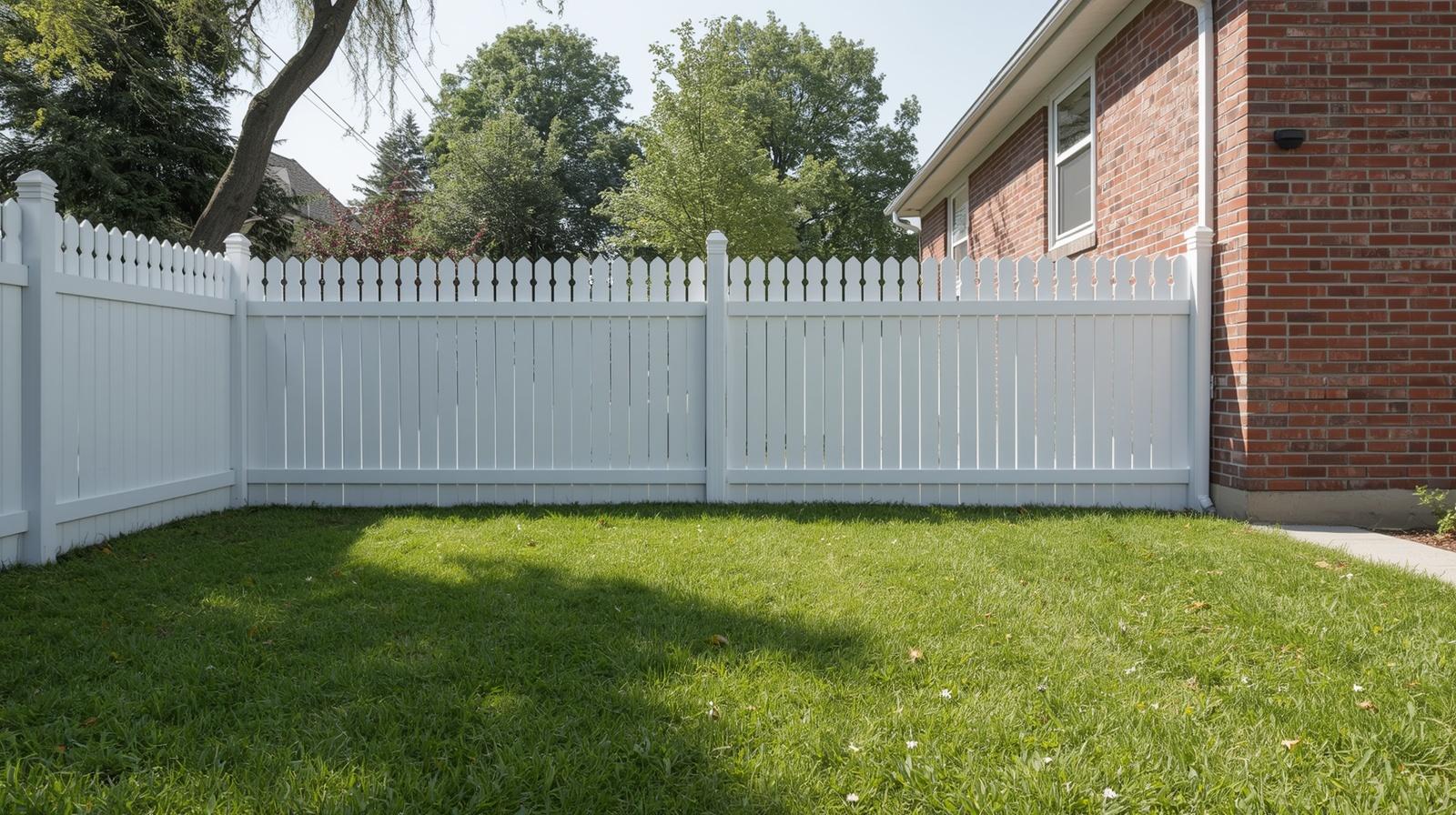
Installing a new fence is one of the most practical home improvements you can make — but it goes smoother when you know what to expect before the first post goes in. This guide walks South Beloit homeowners through every stage of the process, from choosing the right material to understanding what happens on installation day and how to protect your investment for the long term.
Getting It Right From the Start
A fence installation isn't complicated, but there are more moving parts than most homeowners expect. Property lines, permits, material choices, post depth, gate placement, grade changes — each one affects the final result. The homeowners who end up happiest with their fence are usually the ones who did a little thinking upfront rather than just picking a style and calling it done.
South Beloit sits right on the Illinois-Wisconsin border, and like the rest of this corner of the Midwest, it gets the full range of seasonal weather — hot summers, cold and snowy winters, and the kind of spring storms that remind you why fence installation details matter. This guide covers everything you need to know to make smart decisions and get a fence that holds up for years.
Step One: Know What You Want the Fence to Do
Before you think about materials or styles, start with purpose. A fence that's designed around your actual needs will serve you far better than one chosen purely on appearance or price.
Ask yourself:
Do I need privacy? A full-panel fence that blocks sightlines from neighbors or the street.
Do I have pets or kids? Safe containment means the right height, minimal bottom gaps, and secure gate hardware.
Am I focused on curb appeal? A decorative front yard fence that frames your property and landscaping.
Do I need to define a boundary? A straightforward perimeter fence that marks your lot clearly.
Is security a concern? A taller, sturdier fence with locking gate options.
Most homeowners have more than one goal. That's completely normal — and a good fence contractor will help you design a solution that addresses all of them without overcomplicating the project.
Step Two: Understand Your Property Before Anything Goes in the Ground
This is the step that gets skipped most often, and it's the one that causes the most problems later. Before any fence installation begins, you need to know exactly where your property lines are.
Confirm Your Property Lines
Installing a fence even a few inches over your property line can create legal disputes with neighbors and, in some cases, require you to move or remove the fence at your own expense. Don't rely on where previous fences were — those may have been placed incorrectly to begin with.
Options for confirming your boundaries:
Review your property plat or survey documents (often included in your closing paperwork when you bought the home)
Contact Winnebago County or your municipality for recorded survey information
Hire a licensed surveyor if there's any doubt or dispute
Call 811 Before Digging
In Illinois, calling 811 before any digging is required by law. This free service marks the location of underground utilities — gas, electric, water, cable — so post holes can be dug safely. It typically takes a few business days after you call for the lines to be marked, so factor this into your timeline.
A reputable fence contractor will coordinate this as part of the installation process. If a company wants to start digging without addressing it, that's a red flag.
Check Local Permit Requirements
South Beloit and surrounding municipalities may require a permit for residential fence installation depending on the fence height, location, and property type. Your fence contractor should be familiar with local requirements and help you navigate the process. Skipping a required permit can create complications when you sell your home, so it's worth getting right.
Review HOA Guidelines
If your neighborhood has a homeowner's association, check its rules before choosing materials, height, or style. Common HOA restrictions include maximum fence height, approved materials and colors, and setback requirements from the property line. Getting approval before installation is much easier than asking for forgiveness after.
tep Three: Choose the Right Fence Material
Material selection is one of the most important decisions you'll make, and it affects everything — upfront cost, long-term maintenance, appearance, and how well the fence holds up through South Beloit's winters.
Wood Fencing
Wood is the classic residential choice. It's versatile, works for a wide range of styles, and has a natural warmth that manufactured materials don't fully replicate. Cedar and pressure-treated pine are the best options for this climate — they resist moisture and insect damage better than untreated lumber and hold up more reliably through freeze-thaw cycles.
The honest trade-off: wood requires regular maintenance. Sealing, staining, or painting every few years is necessary to prevent cracking, warping, and rot — particularly at the base of posts where moisture accumulates. Done consistently, a wood fence can last 15 to 20 years. Neglected, it deteriorates much faster.
Best for: Privacy fencing, traditional aesthetics, homeowners who don't mind periodic maintenance.
Vinyl Fencing
Vinyl has become the top choice for homeowners who want a fence that takes care of itself. It doesn't rot, warp, splinter, or require painting. The color is built into the material, so it doesn't peel or fade the way painted wood does. It handles Illinois's wet winters well because it simply doesn't absorb moisture.
The upfront cost is higher than wood, but the ongoing maintenance cost is close to zero. For homeowners planning to stay in their home long-term, the math often favors vinyl when you account for the total cost of ownership over 25 to 30 years.
Best for: Privacy fencing, low-maintenance setups, families with kids or pets, homeowners focused on long-term value.
Chain Link Fencing
Chain link is the most practical option for large yard perimeters, pet enclosures, side yards, and any area where durability and cost-efficiency matter more than aesthetics. It handles Midwest weather with almost no maintenance and is one of the most reliable long-term fencing investments available.
It's not the most decorative material, but it's extremely effective — and it can be fitted with privacy slats for added screening if desired.
Best for: Large properties, pet containment areas, budget-conscious projects, utility-focused applications.
Aluminum and Ornamental Fencing
Aluminum delivers the classic look of wrought iron without the rust. It's available in a variety of ornamental styles and works especially well for front yard borders, pool areas, and decorative perimeters where you want an open, formal look that ages well.
Because it doesn't corrode, aluminum holds up cleanly through wet Illinois winters with no treatment required. It's one of the lowest-maintenance options available and consistently enhances curb appeal.
Best for: Front yard fencing, pool enclosures, decorative borders, homeowners who want lasting aesthetics with minimal upkeep.
Comparing Your Options at a Glance
MaterialUpfront CostMaintenanceLifespanBest UseWoodModerateRegular15–20 yrsPrivacy, traditional stylesVinylHigherMinimal25–30 yrsPrivacy, low-maintenanceChain LinkLowerMinimal20–30 yrsLarge areas, pet containmentAluminumModerate–HighMinimal30+ yrsDecorative, front yard
Step Four: Think Through Your Layout and Gate Placement
Before installation day, it's worth spending some time thinking about how your fence will actually work in daily life — not just where it sits on the property.
Gate Placement
Gates are the most-used part of any fence, and their placement affects how convenient your yard is to access and use every day. Think through:
Where do you naturally enter and exit your backyard from the house and the street?
Do you need vehicle access for a lawn tractor, ATV, or deliveries?
Do you need a side yard gate for garbage bins or garden access?
If you have pets, how many access points create the safest daily routine?
A walk-through gate handles foot traffic. A wider double gate accommodates equipment or vehicle access. Your installer can help you determine what makes sense based on your yard layout.
Accounting for Grade Changes
South Beloit yards vary. Some are flat and straightforward; others have slopes, low spots, or uneven terrain that affects how the fence is installed and how well it contains pets or provides privacy.
On sloped ground, fences are typically installed one of two ways:
Stepped installation: The fence follows the grade in level sections that "step" down the slope. This is the most common approach and works well for most materials.
Racked installation: The fence panels follow the continuous slope of the ground, maintaining a consistent bottom gap. This is more common with chain link and some wood styles.
Both have different visual results and different implications for bottom-gap management — particularly important if you have dogs. Discuss the grade situation with your contractor before installation so there are no surprises.
Step Five: Understand What Happens on Installation Day
Knowing what to expect from the installation process helps you plan appropriately and recognize good workmanship when you see it.
Site Preparation
A professional crew will mark post locations before digging begins, confirming spacing and gate placement with you before anything is set in concrete. This is a good moment to walk the line with your installer and raise any questions.
Post Setting
Posts are the structural foundation of the entire fence. In northern Illinois and southern Wisconsin, they need to be set below the frost line — typically at least 42 to 48 inches deep — to prevent frost heave from pushing them up or shifting them over winter. Posts set in concrete footings are the standard for a fence that stays straight through years of freeze-thaw cycles.
This is one of the most important quality indicators in any fence installation. Shortcuts here show up as leaning posts within a season or two.
Panel and Rail Installation
Once posts are set and the concrete has had time to cure, panels, rails, and boards are installed. A quality installation means level panels, consistent spacing, secure hardware, and boards that sit properly within their rails without gaps or warping.
Gate Hanging
Gates are hung last and should be tested before the crew leaves — opening, closing, latching, and locking if applicable. A properly hung gate sits level, swings smoothly without dragging, and latches securely. Gate posts are set with extra depth and support because they bear more load than standard fence posts.
Cleanup
A professional fence company leaves your yard clean when the job is done. Old fence debris, post hole soil, and packaging materials should all be cleared before the crew departs.
Protecting Your Investment: Post-Installation Care
The right material and a quality installation go a long way, but a little seasonal attention keeps your fence performing at its best for the long haul.
Spring: After the ground thaws, walk your fence line and check for any posts that shifted over winter. Look for boards that loosened, panels that shifted, or gate hardware that needs adjustment. This is also a good time to clean vinyl fencing or apply a fresh sealant coat to wood.
Summer: Inspect wood fencing for signs of cracking or graying that indicate the sealant is wearing thin. Touch up or reseal as needed before moisture has a chance to penetrate.
Fall: Clear any debris or vegetation that has grown against the fence — it retains moisture and accelerates wood rot. Check hardware for rust or loosening before temperatures drop.
Winter: After heavy snowfall, clear significant snow buildup from fence panels — particularly full-panel privacy styles that carry more load. Ice accumulation on gate hinges can cause them to bind, so check gate function after freezing rain events.
Why Local Installation Expertise Matters in South Beloit
South Beloit's position on the Illinois-Wisconsin border means your fence needs to perform through conditions that test even well-built structures — extended freeze-thaw cycles, heavy late-winter snowfall, and spring storms that move through this corridor with real force.
A local fence company that installs in this area regularly knows what post depth is required, which materials hold up best in this specific climate, and how to handle the grade variations and soil conditions common to properties in this part of Winnebago County. That local knowledge shows up in how the fence performs five and ten winters down the road.
Arrow Fence: Serving South Beloit and the Surrounding Area
Arrow Fence works with homeowners throughout South Beloit, Rockford, Roscoe, Rockton, Machesney Park, Loves Park, and across northern Illinois and southern Wisconsin. We offer full residential fence installation, replacement, and repair — wood, vinyl, chain link, aluminum, ornamental, privacy, pet fencing, and custom gate solutions.
Every fence we install is built with this climate in mind, from proper post depth to material selection that holds up through years of Illinois and Wisconsin winters.
Visit arrowfencerockford.com or give us a call to request your free, no-obligation estimate. We'll walk your property, listen to what you need, and give you an honest recommendation — no pressure, no upselling, just a straight answer from a local team that knows this area.
