
Fence Installation Timeline in Rockford, IL: Fall Scheduling From Estimate to Completion
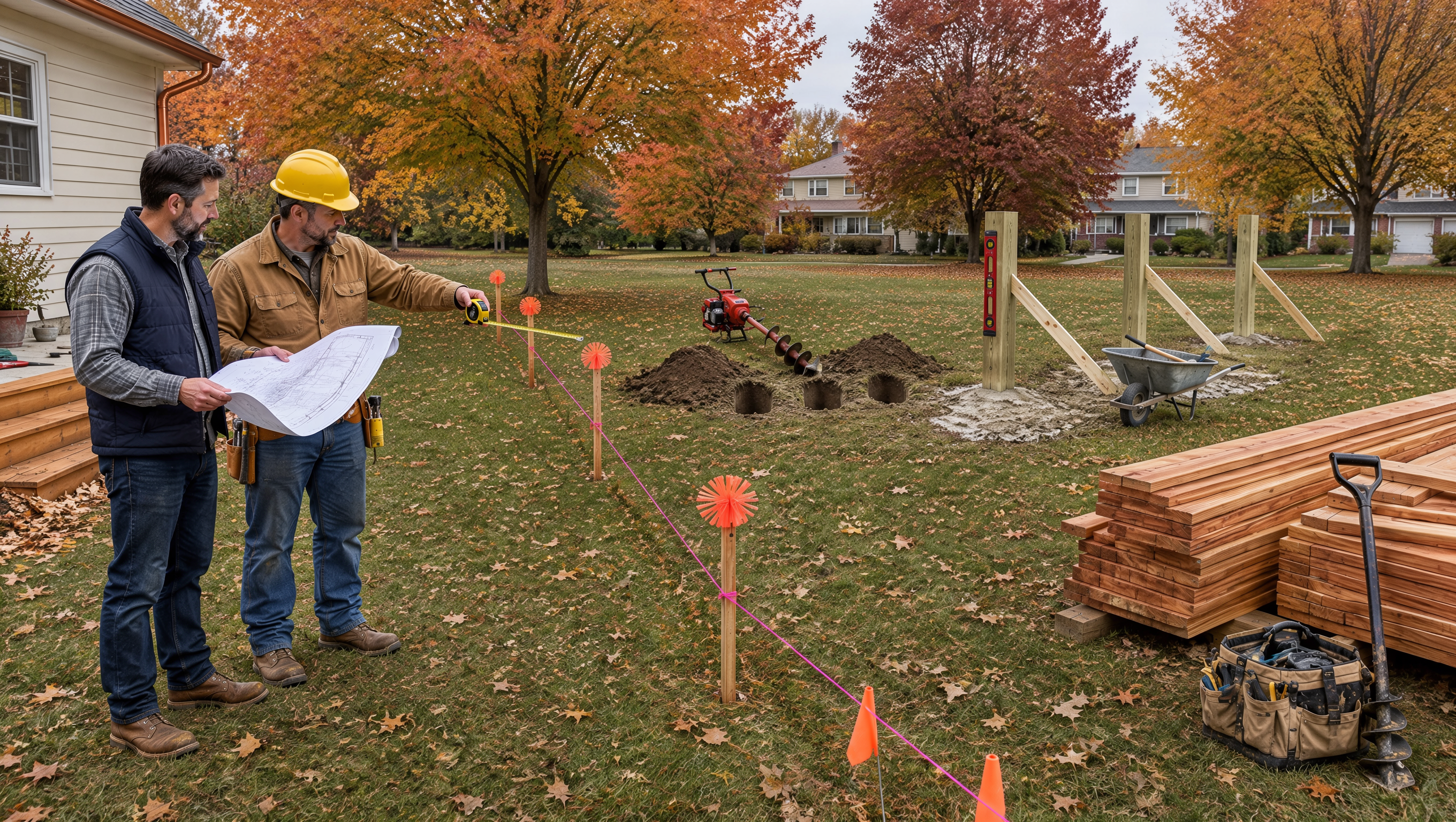
A fall fence installation in Rockford usually involves several stages, from the initial estimate and layout decisions to site preparation, post installation, fence assembly, gates, and final cleanup. Weather, material availability, old fence removal, slopes, drainage, and last-minute changes can all affect scheduling, so homeowners should finalize the project details as early as possible.
Start With the Estimate
The installation timeline begins before any work happens in the yard.
During the estimate, homeowners should be ready to discuss:
Fence purpose
Preferred material
Approximate layout
Privacy needs
Pet containment
Gate locations
Existing fence removal
The clearer the plan is at this stage, the easier it becomes to prepare an accurate project scope.
Fall schedules can become tighter as colder weather approaches, so early planning can be especially helpful.
Choose the Fence Material Early
Material selection affects both the project design and preparation.
Rockford homeowners may consider:
Wood
Wood offers natural character and flexible privacy styles, including solid vertical, board-on-board, and shadowbox fencing.
Vinyl
Vinyl provides consistent screening with less routine surface maintenance.
Chain Link
Chain link works well for pets, larger yards, and long boundaries where open visibility is acceptable.
Aluminum
Aluminum provides an open, decorative look that works well around landscaping and areas where views should remain visible.
Deciding on the material early helps avoid unnecessary changes later.
Finalize the Layout Before Installation
The fence line should be reviewed before posts are placed.
Consider:
Property boundaries
Patios
Driveways
Sheds
Landscaping
Side yards
Utility areas
Gate locations
Do not assume an older fence line automatically provides the best layout for the new project.
A replacement fence can be an opportunity to improve access, privacy, or pet containment.
Plan Gates Before Posts Go In
Gate decisions should not be left until the end of the project.
Determine whether you need:
A walk gate
A mower gate
Double gates
Separate equipment access
Measure larger equipment before selecting gate width.
Changing the gate opening after post locations are established can complicate the project and affect the schedule.
Existing Fence Removal Adds a Step
Replacement projects require additional work before the new fence can be installed.
Removal may involve:
Boards or panels
Posts
Gates
Hardware
Concrete footings
Ask whether hauling, disposal, and cleanup are included in the estimate.
Older footings or difficult post removal can add complexity to the preparation stage.
Prepare the Yard Before the Crew Arrives
Homeowners can help keep the project moving by clearing the planned fence line.
Move:
Outdoor furniture
Toys
Garden hoses
Planters
Stored equipment
Trim shrubs, vines, and low branches that interfere with access.
In fall, clearing leaves is also helpful because they can hide roots, low areas, and drainage problems.
Drainage Can Affect Scheduling
Fall rain can expose drainage problems that were less noticeable during dry weather.
Check for:
Standing water
Mud
Erosion
Soft soil
Downspout runoff
Very wet ground can affect how easily certain parts of the project move forward.
Drainage problems should also be addressed because unstable soil can contribute to future post movement.
Slopes Require Extra Layout Work
A sloped yard may require more planning than a flat one.
Depending on the fence system, sections may need to be:
Stepped
Installed to follow the grade more closely
Changes in elevation can also affect gate placement and ground clearance.
For homes with dogs, these transitions should be checked carefully for gaps.
Post Installation Is a Critical Stage
Posts create the structural foundation for the fence.
Their placement affects:
Fence alignment
Gate operation
Panel stability
Long-term performance
Site conditions such as roots, old footings, uneven ground, or soft soil may influence this stage.
A properly planned post layout is more important than rushing to complete visible panels.
Fence Assembly Depends on the Material
Once posts are established, the fence sections can be built or installed.
Wood
Rails and individual boards may be installed between posts.
Vinyl
Rails and panels are assembled according to the fence system.
Chain Link
Framework is installed before fabric is tensioned and secured.
Aluminum
Fence sections are attached between posts while maintaining consistent alignment.
Each material has its own installation sequence.
Gates Usually Come Later in the Process
Gates depend on accurately positioned and stable posts.
Once the surrounding fence is established, installers can focus on:
Hinges
Latches
Frame alignment
Bottom clearance
Wide gates may require additional support or reinforcement.
The gate should open and close smoothly before the project is considered complete.
Fall Weather Can Change the Schedule
Rockford fall weather can become unpredictable.
Possible delays may come from:
Heavy rain
Saturated soil
Strong wind
Early snow
Freezing conditions
A weather delay does not necessarily mean the project has a problem.
Conditions may simply make certain installation steps impractical until the site becomes workable again.
Starting earlier in fall can provide more flexibility.
Material Availability Can Affect Start Dates
Another scheduling factor is whether the selected material and components are available when needed.
Special styles, gates, or specific fence systems may require additional coordination.
Homeowners can reduce late changes by choosing:
Material
Style
Height
Gate plan
before the project reaches the installation stage.
Last-Minute Changes Can Extend the Timeline
Changes after the project is underway can affect more than appearance.
Moving a gate, changing height, or adding another fence section may require changes to:
Material quantities
Post placement
Layout
Labor
Finalizing major decisions before installation begins helps keep the work more predictable.
Plan for Pets During Installation
If dogs normally use the yard, make arrangements while the fence is open.
During removal and installation, the yard may temporarily have:
Open boundaries
Missing gates
Equipment
Materials
Keep pets secured away from the work area until the fence and gates are complete.
The Final Walkthrough Matters
Once installation is complete, take time to review the finished fence.
Check:
Fence alignment
Gate operation
Latches
Ground clearance
Cleanup
Pet escape points
If the yard has slopes, pay particular attention to areas where the fence follows changing terrain.
Questions are easier to address while the project is still fresh.
Wood Finishing May Be a Separate Step
If you install a wood fence in fall, staining or sealing may not happen at the same time as construction.
Finishing products have specific requirements involving:
Temperature
Wood moisture
Drying conditions
Cold or wet fall weather may mean finishing should wait for better conditions.
Follow the requirements of the specific product rather than rushing the process.
How Homeowners Can Help Keep the Project on Track
Before your scheduled installation, make sure you have:
Finalized the layout
Selected the material
Confirmed fence height
Approved gate locations
Measured equipment access
Cleared the fence line
Reviewed removal work
Identified drainage concerns
Made arrangements for pets
Good preparation can reduce avoidable delays once work begins.
Request a Free Fence Installation Estimate
Arrow Fence helps Rockford homeowners plan fence projects from the initial estimate through final installation.
Whether you are considering wood, vinyl, chain link, aluminum, replacement, new gates, or a complete backyard fence, Arrow Fence can help you review practical options and prepare the project for fall scheduling.
Contact Arrow Fence at arrowfencerockford.com to request a free estimate for your fence installation project.
