
Fence Installation Timeline in Wisconsin
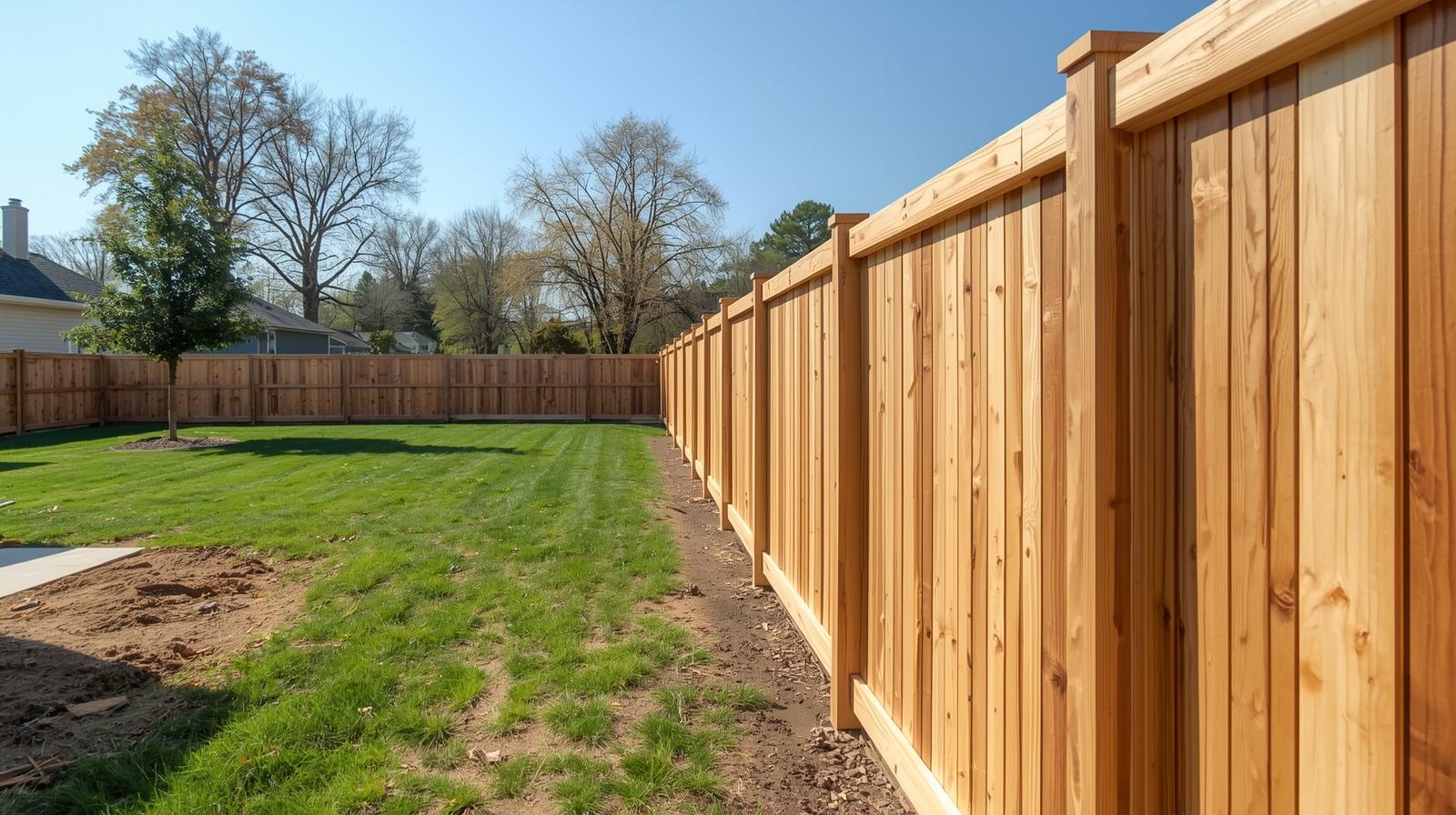
So, you've decided on a new fence for your Wisconsin home. Your first question is probably the same as everyone else's: "How long is this actually going to take?" The answer—typically 4 to 12 weeks from your first call—is often longer than you think, and the reason has little to do with the few days a crew spends in your yard.
The first phase is getting quotes, and this is where you have the most control. Being prepared gets you faster, more accurate numbers from any company providing local fence installation. For instance, knowing you need a 5-foot-tall fence with no bottom gap for the dog gives a contractor clear direction for a precise quote. In practice, getting at least three quotes is wise, as prices and availability can vary significantly.
To make your calls efficient, have this information ready:
Approximate fence length (in feet)
Desired height and material (e.g., 6ft wood privacy, 4ft vinyl picket)
Any gates needed
A picture of the yard
When you call, be sure to ask about their current fence installation scheduling and lead times, not just the price. This gives you the full picture.
Phase 2: The "Waiting Game" – Permits and Property Lines (2-6 Weeks)
With your contractor selected, the next step isn’t digging—it’s paperwork. Nearly every municipality has fence permit requirements, from small towns to cities like Milwaukee. Getting official approval can take anywhere from a few days to several weeks, making this the first major waiting period in your project. It’s an essential step that ensures your new fence meets all local safety and zoning codes.
A crucial part of that permit plan is proving the fence will be on your property. While your contractor can offer guidance, it is ultimately the homeowner’s responsibility to know where your lot begins and ends. To avoid expensive neighborly disputes, a property line survey for fencing is vital if you're unsure. A survey professionally marks your boundaries and helps ensure your plan respects local "setbacks"—the required distance the fence must be from the property line.
Be sure to confirm with your contractor whether they are submitting the permit application or if that task falls to you. While you await the town’s approval, your contractor can begin ordering materials.
Phase 3: Before the Digging Starts – Material Orders and Utility Marking (1-8 Weeks)
While you’re waiting on the permit, another countdown begins behind the scenes. Before any digging can start, your contractor is legally required to call 811 (Wisconsin’s Diggers Hotline) to have all underground utility lines marked on your property. This crucial safety step prevents crews from accidentally hitting gas, water, or electric lines. You’ll know it’s done when small, colorful flags appear in your yard, a process that adds a few mandatory business days to the schedule.
At the same time, your fence materials are ordered, and this step has the biggest impact on your lead time. Common materials, like a standard cedar or chain-link fence, are often in-stock and can be ready within a week. However, if you chose a specific color of vinyl fence or a custom aluminum gate, it becomes a special order that can easily add four to eight weeks (or more) to your wait.
Your project can’t get on the final installation schedule until those utility flags are in the ground and all your materials have arrived. This material lead time is often the single biggest wildcard in the entire process.
Phase 4: The Main Event – From Post Holes to a Finished Fence (2-5 Days)
With all the materials delivered, the physical installation can finally begin. This part of the process moves quickly, but it’s not continuous. For an average-sized yard, the actual hands-on work often takes just 2-5 days, but those days are intentionally spread out to ensure your fence is built to last.
The first day is dedicated to the most critical task: setting the posts. The crew will dig all the post holes and set each post perfectly straight in concrete. Then, they will leave for a day or two. This pause is absolutely essential for the concrete to “cure,” or harden enough to support the weight and tension of the fence. A typical schedule looks like this:
Day 1: Dig holes and set all posts in concrete.
Day 2-3: No work on site. This is the crucial curing time.
Day 4: Attach the fence panels or pickets and install the gates.
Day 5: Complete site cleanup and a final walkthrough with you.
Even after the crew leaves a finished-looking fence, the concrete is still gaining its full strength underground. We recommend waiting another few days before attaching heavy planters or letting a large, excited dog test the new gate. This patience pays off with a stable fence for years to come.
When Is the Best Time of Year to Install a Fence in Wisconsin?
Scheduling your project around Wisconsin’s distinct seasons is key to avoiding long waits. As soon as the ground thaws in spring, nearly every homeowner with a plan for summer barbecues calls for a fence. This creates a massive “spring rush,” and lead times for even starting a project can stretch from weeks into months, pushing your installation well into the summer.
To get ahead of that crowd, the smartest move is to do your planning during the off-season. By getting quotes and signing your contract in late winter—think February or March—you secure your spot at the front of the line. Your project can then start as soon as the weather allows, long before the summer backlog even begins to build up.
If you miss that early spring window, fall offers another excellent opportunity. The summer demand has usually faded by September and October, meaning contractors have more availability. The weather is often stable, and you can get your fence completed well before the ground freezes solid for the winter.
Plan Ahead for a Smooth Project
With a realistic 4- to 12-week timeline in mind, the key to a smooth fence installation is preparation, with material choice often being the biggest variable. By starting the process two to three months before you want the fence finished, you trade project anxiety for peace of mind.
Your next step is simple: measure your yard’s perimeter and decide on a fence style you love. Armed with this information, you’re ready to call contractors not just for a price, but with the confidence of an informed homeowner.
