
Fence Maintenance Before Winter in Dixon, IL: What to Inspect
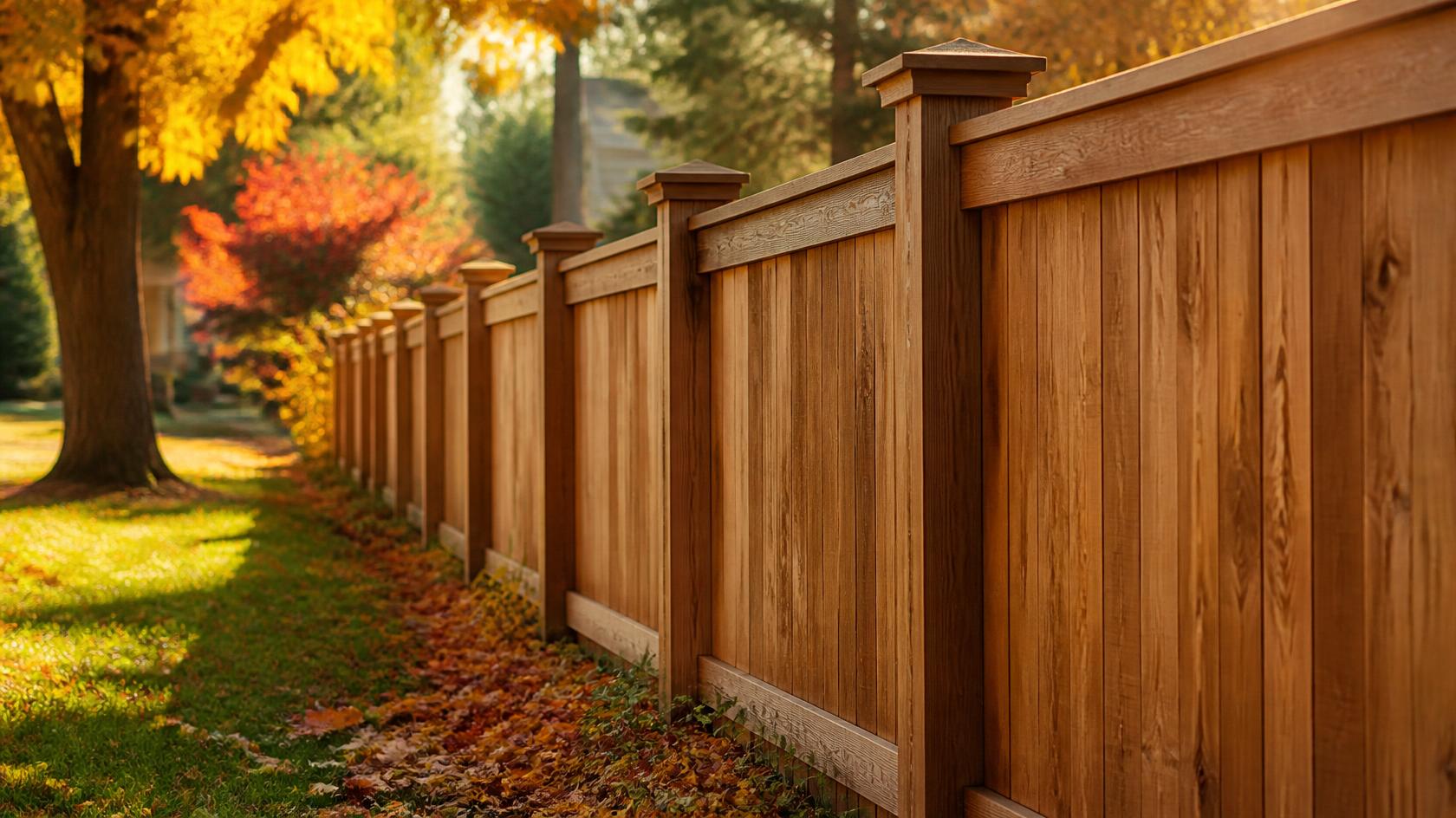
Before winter arrives in Dixon, homeowners should inspect fence posts, panels, boards, rails, gates, hardware, drainage, ground gaps, and nearby branches. Fall maintenance is especially important because snow, ice, wind, and freeze-thaw cycles can make existing weaknesses worse and hide problems until spring.
Start With a Full Fence Walkaround
A simple walk around the entire property can reveal problems that are easy to miss during everyday use.
Look for:
Leaning sections
Loose boards or panels
Sagging gates
Bent components
Cracked materials
Ground gaps
Soil erosion
Inspect both sides of the fence where possible.
Pay extra attention to corners, gates, and areas exposed to wind or water.
Check Fence Posts for Movement
Posts support the entire fence system.
Look for posts that:
Lean
Move at the base
Sit in soft soil
Have exposed footings
Pull connected sections out of alignment
A small amount of post movement can eventually affect rails, panels, and gates.
If several posts are shifting, the problem may be more extensive than a simple adjustment.
Inspect Wood Fencing for Rot and Loose Boards
Wood fencing needs a closer fall inspection because moisture can affect boards, rails, and posts.
Check for:
Cracked boards
Loose fasteners
Soft wood
Splinters
Rot near ground level
Worn finishes
Pay particular attention to areas where leaves, soil, mulch, or vegetation stay against the fence.
Individual boards may be repairable if the surrounding structure remains sound.
Look Behind the Boards at the Rails
Rails can fail even when the fence looks acceptable from a distance.
Inspect for:
Cracks
Sagging
Loose connections
Rot
Separation from posts
A weak rail can cause several boards to move together during strong wind.
Repairing the supporting rail may be more important than simply securing the visible boards.
Check Vinyl Panels and Connections
Vinyl requires less surface maintenance than wood, but winter preparation still matters.
Inspect for:
Cracked panels
Loose rails
Shifted sections
Leaning posts
Gate problems
Vinyl can become less flexible in severe cold, so existing damage should be identified before winter.
Avoid hard impacts from snow-removal equipment once temperatures drop.
Inspect Chain Link Tension and Framework
Chain link fencing can develop problems with both the mesh and supporting framework.
Look for:
Sagging mesh
Loose ties
Bent top rails
Leaning posts
Gate misalignment
If privacy slats or screening are installed, check the posts and rails carefully because those additions increase wind resistance.
Check Aluminum Fencing for Alignment
Aluminum fencing generally requires relatively simple maintenance.
Still, homeowners should inspect for:
Bent pickets
Loose rails
Shifted posts
Gate problems
Damaged hardware
Even small alignment changes may become more noticeable after winter ground movement.
Test Every Gate
Gates receive more daily use than most fence sections.
Open and close each gate several times.
Watch for:
Dragging
Sagging
Latch misalignment
Loose hinges
Uneven gaps
Movement in the posts
A gate that already needs lifting or extra force to close should be inspected before snow and frozen ground make access more difficult.
Check Hinges, Latches and Fasteners
Hardware problems are often easy to overlook.
Check:
Hinges
Latches
Screws
Bolts
Brackets
Tighten loose hardware where appropriate and replace damaged components when needed.
Pet owners should make sure gates latch securely and cannot easily be pushed open.
Look for New Ground Gaps
Inspect the space beneath the fence.
Gaps may appear because of:
Erosion
Settling
Slopes
Post movement
Digging pets
These openings are especially important around gates and pet areas.
Snow can hide ground gaps, so fall is the best time to identify them clearly.
Check Drainage Before the Ground Freezes
Drainage problems can affect almost every type of fence.
Look for:
Standing water
Soft soil
Erosion
Downspout runoff
Water collecting near posts or gates
If runoff repeatedly washes soil away, simply repairing the fence may not solve the problem.
Correcting drainage can help protect posts and footings through winter and spring snowmelt.
Clear Leaves From the Fence Line
Wet leaves can collect against fences and hide developing problems.
Remove buildup near:
Posts
Gates
Corners
Lower boards
Drainage paths
This is especially important for wood fencing because prolonged moisture can contribute to deterioration.
A clear fence line also makes winter inspections easier.
Trim Back Shrubs and Vines
Vegetation can make fence problems harder to see.
Trim plants that:
Press against panels
Wrap around rails
Hide posts
Block gate movement
Leave enough space to inspect and maintain the fence.
For wood fences, better airflow can also help wet surfaces dry more easily.
Look Up for Branch Hazards
Winter fence maintenance includes checking what is above the fence.
Inspect nearby trees for branches that are:
Dead
Cracked
Hanging low
Resting on the fence
Snow and ice can add weight to weak limbs.
A falling branch can damage multiple fence components at once.
Pay Extra Attention to Wind-Exposed Sections
Solid privacy fences catch more wind than open fence styles.
Check long runs of wood or vinyl privacy fencing for:
Movement
Loose panels
Leaning posts
Weak corners
If a fence section moves noticeably during moderate wind, it deserves closer inspection before winter storms arrive.
Prepare Gates for Snow
Think about where snow will be shoveled or plowed.
Avoid blocking frequently used gates with snow piles.
Also check:
Gate swing
Bottom clearance
Walkway access
Pet routes
Snow-removal equipment should have enough room to operate without hitting panels, posts, or gates.
Check Pet Areas Carefully
Homeowners with dogs should inspect the fence from inside the yard.
Look for:
Loose boards
Bent mesh
Ground gaps
Weak latches
Digging areas
Gate openings
A small weakness can become an escape point once snow hides the lower fence line.
Decide What Needs Repair Before Winter
Small repairs may include:
Tightening hardware
Replacing damaged boards
Securing loose panels
Adjusting gates
Repairing one rail
Larger work may be needed when:
Several posts are failing
Large sections lean
Rot is widespread
Gates repeatedly lose alignment
Multiple panels are damaged
The overall condition of the fence should guide the decision.
Winter Fence Inspection Checklist
Before colder weather settles in Dixon, inspect:
Posts
Panels
Boards
Rails
Gates
Hinges
Latches
Fasteners
Ground gaps
Drainage
Leaves
Vegetation
Tree branches
Snow access
Taking photos of questionable areas can also make it easier to compare the fence condition after winter.
Request a Free Fence Maintenance or Repair Estimate
Arrow Fence helps Dixon homeowners prepare residential fencing for winter by addressing loose boards, leaning posts, damaged panels, gate problems, drainage concerns, and other seasonal issues.
Whether your fence needs maintenance, targeted repairs, replacement sections, or a larger upgrade, Arrow Fence can help you review practical options for your property.
Contact Arrow Fence at arrowfencerockford.com to request a free estimate for your fence project.
