
Fence Maintenance Tips for Illinois Winters
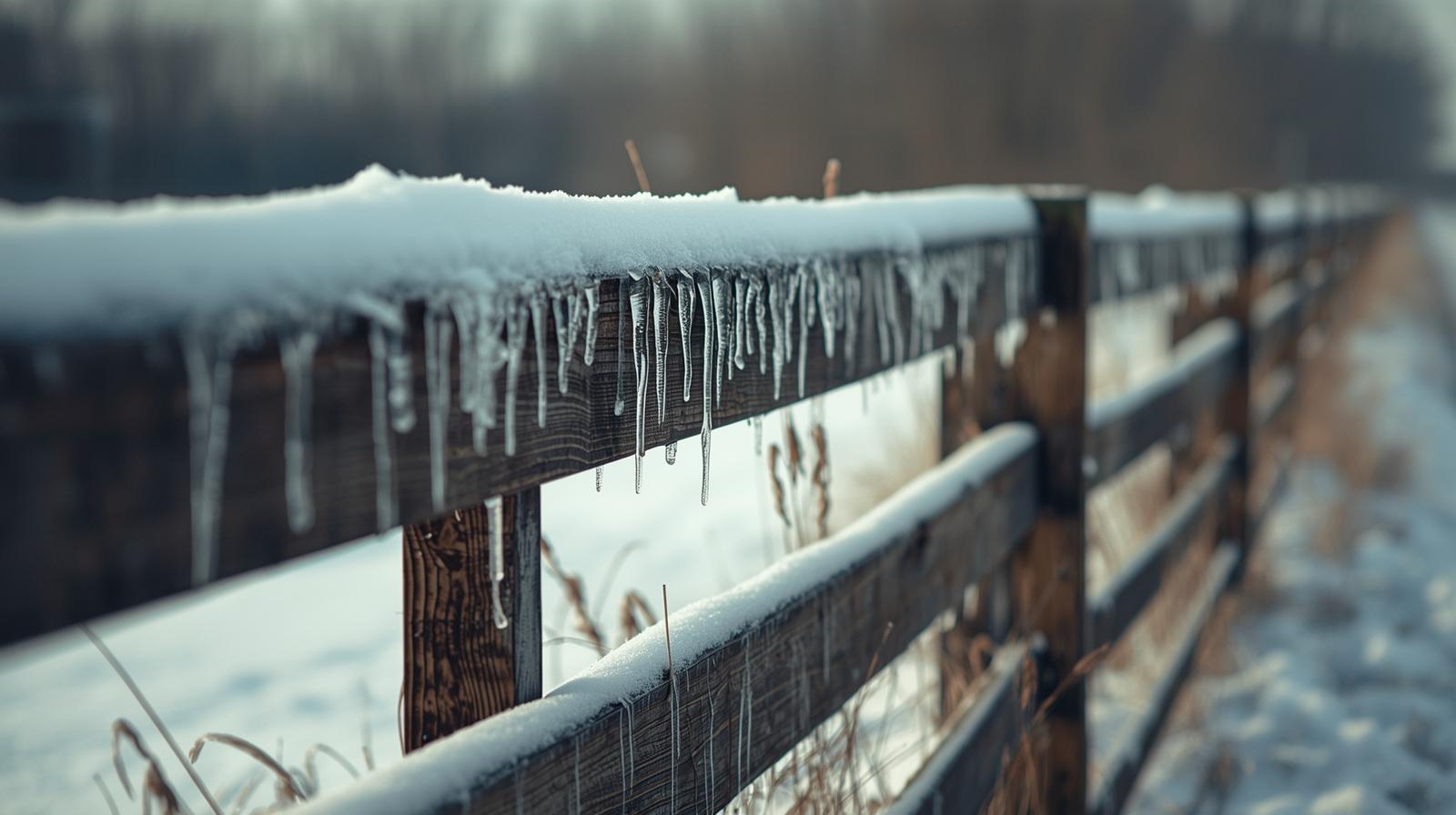
Everyone in Illinois knows the specific dread of hearing "Polar Vortex" in the forecast. While we rush to put snow tires on our vehicles or wrap outdoor faucets, there is one major investment often left defenseless against the elements: your property line. Just like your family car requires a specific tune-up before the temperature drops, your perimeter fencing needs preparation to survive the coming months intact.
The real danger isn't just heavy snow; it is the silent, destructive force of the freeze-thaw cycle. According to regional construction standards, when moisture trapped in the soil or wood freezes, it expands with enough power to heave posts out of the ground or shatter lumber. This unique combination of high local humidity and sub-zero drops turns small, ignored cracks into expensive structural failures by spring.
Applying effective Fence Maintenance Tips for Illinois Winters now is far cheaper than paying for emergency repairs in February. Whether you are in Fairfield or New Harmony, the window for prevention closes once the ground freezes hard. By following a basic pre-winter fence inspection checklist, you can protect your investment before the first blizzard hits.
Why Your Pre-Winter Inspection is the 'Oil Change' for Your Property
Just like you wouldn't drive a car all winter without an oil change, your fence needs a structural tune-up before the first heavy snowfall. You might spot vertical cracks running down your wooden posts—don't panic. This is usually just "checking," a natural process where wood expands and contracts with humidity. As long as the crack doesn't compromise the post's core, it is usually normal character rather than a catastrophic failure.
Hardware requires a closer look because metal shrinks in cold weather, turning snug fasteners into loose weak points. Give every post a firm shake—the "wiggle test"—to ensure the footing hasn't been loosened by summer rains. Keep an eye out for these specific warning signs during your walk-through:
Deep Checking: Cracks that appear to split the wood significantly or go through the post.
Loose Fasteners: Screws or nails popping out, especially near latches.
The Lean: Posts shifting noticeably under the weight of the fence.
Soil Gaps: Holes around the base where water can pool and freeze.
Catching these issues early prevents you from repairing wind damaged fence panels in sub-zero temperatures. If your "wiggle test" reveals too much movement, you simply must focus on reinforcing fence posts against Illinois winds before the ground freezes solid. Once the structure is sound, the next step is ensuring the wood surface can actually repel the moisture coming its way.
Is Your Wood Fence Wearing a Raincoat?
Structural stability means little if the wood itself acts like a sponge during a freeze. When moisture penetrates the grain and turns to ice, it expands, shattering wood fibers from the inside out and shortening the lifespan of your investment. This makes the answer to "should I stain my fence before winter" a resounding yes, provided you can find a dry weekend before the temperature drops consistently below 50°F. Think of a quality stain or sealant as your fence’s winter coat; without it, the material is exposed to the harsh cycle of freezing and thawing.
You don't need complex tools to determine if your current barrier is holding up against the elements. A simple diagnostic check called the "Water Bead Test" will tell you immediately if your wood is vulnerable:
Splash: Toss a cup of water onto a dry, eye-level board.
Observe: Watch the liquid for roughly 60 seconds.
Verdict: If the water beads up and rolls off like it does on a waxed car, you are safe. If the wood darkens and absorbs the moisture, your protection is gone.
When shopping for supplies to fix an absorbent fence, ignore products labeled merely "water-resistant" and look for the specific benefits of waterproof fence sealant. The Midwest climate demands a barrier that physically blocks water entry rather than just mitigating it. This rule applies even when winterizing pressure treated wood fences, as their chemical treatment prevents bugs and rot but rarely stops moisture damage entirely. Once the vertical surfaces are sealed against snow, you need to look down at the ground level where a different kind of moisture trap is waiting.
Clearing the 'Rot Zone' to Prevent Wood Decay
Gravity pulls winter moisture down the length of your boards, but if that runoff meets a pile of heavy, wet leaves at the base, your fence enters the "rot zone." Debris acts like a wet sponge strapped to the bottom of your pickets, creating a bridge that constantly feeds water into the wood grain and renders your sealant useless. This trapped dampness prevents the material from drying out between winter storms, making preventing wood fence rot from snow nearly impossible once the drifts start piling up against the perimeter.
Creating a dedicated buffer zone is the single most effective way to stop this wicking process. Your fence needs a clear gap of at least two inches between the bottom of the pickets and the ground to allow for proper airflow. This clearance is particularly vital for effective Fairfield Illinois fence maintenance, where local humidity levels and heavy snowfall can keep ground-level wood saturated for weeks. If you see soil, mulch, or grass touching your boards, grab a shovel and clear that gap immediately to let the wind do its job.
Maintaining this clearance prevents the wood from rotting, but it cannot stop the ground below from shifting during a deep freeze. As the temperature drops, the moisture trapped inside the soil expands with tremendous force, threatening to push your posts right out of their holes.
Battling Frost Heave: Why Illinois Soil Wants to 'Spit Out' Your Fence
You can't control the temperature, but understanding the physics occurring below your grass is crucial for preserving your property line. When the groundwater in clay-heavy Illinois soil freezes, it expands significantly, exerting massive lateral pressure on everything buried within it. This freeze-thaw cycle impact on fence footings creates a distinct "grip-and-lift" motion; as the ice expands, it grabs the rough surface of the concrete or wood and physically shoves the post upward, much like squeezing a slippery watermelon seed between your fingers until it shoots out.
Visual cues usually appear long before the fence actually falls over. Look along the top rail of your fence line; if it looks like a rollercoaster rather than a straight horizon, or if your gate suddenly drags against the patio pavers, you are likely witnessing active displacement. In severe cases, you might even see the concrete "collar" around the post base rising above the grass line, creating a void underneath where more water can pool and worsen the problem during the next thaw.
Fighting this force requires managing where the water goes before the temperature drops. While digging out a heaved post is a labor-intensive weekend project, learning how to fix frost heave fence posts often starts with proactive drainage adjustments. Simply extending downspouts away from the fence line and grading soil so melting snow runs away from your footings will starve the soil of the moisture it needs to push your posts around. Once you have ensured the posts stay grounded, you must turn your attention to the moving parts that react to the cold air itself.
Winterizing Metal and Vinyl Hardware for Sub-Zero Temps
While frost heave pushes from below, the sub-zero air attacks your hardware directly. Have you ever tried to open your backyard gate in January only to find the latch refuses to click? Metal contracts when it gets cold, physically shrinking the gap between your gate and the post. If your latch is already tight in the fall, a twenty-degree drop will misalign the mechanism completely. Take a screwdriver out now and adjust the hinges to allow a slightly wider gap—think of it as giving your fence "breathing room" before it tightens up for the season.
Once the fit is adjusted, you need to ensure moving parts don't freeze shut when moisture hits them. Many homeowners instinctively grab standard WD-40, but that actually attracts dirt and gums up in the cold. Instead, treat your locks, hinges, and springs with a temperature-resistant lubricant:
White Lithium Grease: Excellent for heavy metal-on-metal hinges that carry weight.
Silicone Spray: The best choice for vinyl components and delicate locking mechanisms since it doesn't attract grit.
Graphite Powder: Ideal for keyholes where liquid might freeze inside the tumbler.
Corrosion is the final silent killer, especially if your property borders a street salted by city trucks. The mist from passing cars coats your perimeter in chloride, which causes "pitting" on aluminum and accelerates rot. While checking gate hinges for ice buildup is vital, cleaning road salt off metal fencing is just as urgent to prevent permanent scarring. This maintenance step levels the playing field regarding vinyl vs cedar durability, as salt degrades both if left untreated. A simple rinse with fresh water neutralizes this acidity, ensuring your fence is strong enough to handle the physical weight of what comes next: the heavy snow.
The Heavy Lift: Managing Snow Piles and Wind Damage
Illinois winters bring heavy "heart attack snow," and your fence feels that weight just as much as you do. Privacy panels are designed to hang vertically, not act as retaining walls for the drifts you shoveled off the patio. When removing heavy snow piles from fence line areas, leave a six-inch gap between the bank and the wood to prevent wet slush from bowing rails or snapping posts under the crushing lateral pressure.
Wind acts as the other physical bully, particularly when gusts sweep across open yards in New Harmony, Illinois. A solid fence acts like a sail, catching the full force of the blast. If you hear panels rattling, add a fastener immediately; the constant vibration will work loose screws out completely, turning a wobbly picket into a projectile during the next blizzard.
Gates are the weak link since they hang freely, making them prone to warping under ice accumulation. Place a temporary brick under the swinging corner of a closed gate to relieve hinge strain, a simple trick that helps avoid sagging gate repair for heavy snow in the spring. With structural risks managed, the next logical step is securing your property with a final weekend checklist.
Your 30-Minute Winter Fence Readiness Action Plan
You don't need professional tools to outsmart the forecast; you just need a spare afternoon before the ground freezes. By applying these fence maintenance tips, you transform a potential spring repair bill into a simple autumn cleanup. Use this 30-minute "Weekend Warrior" checklist to secure your property:
Clear the Base: Rake wet leaves away from wood to prevent rot.
Test the Seal: Splash water on panels; if it absorbs, apply a coat of sealant.
Stabilize Posts: Check for wobbles to minimize frost heave movement.
Tighten Hardware: Secure gate hinges to account for metal contraction.
Trim Above: Cut back branches that might snap under heavy ice.
Taking these steps now changes your perspective on the coming cold. Instead of worrying about what the snow is doing to your property, you can relax knowing your perimeter is secure. Proper Midwest winter weather fence protection ensures that when the thaw finally arrives, you’ll be enjoying your backyard rather than rebuilding it.
