
Fence Permit Requirements in Freeport, IL: Height Rules & Setbacks Guide
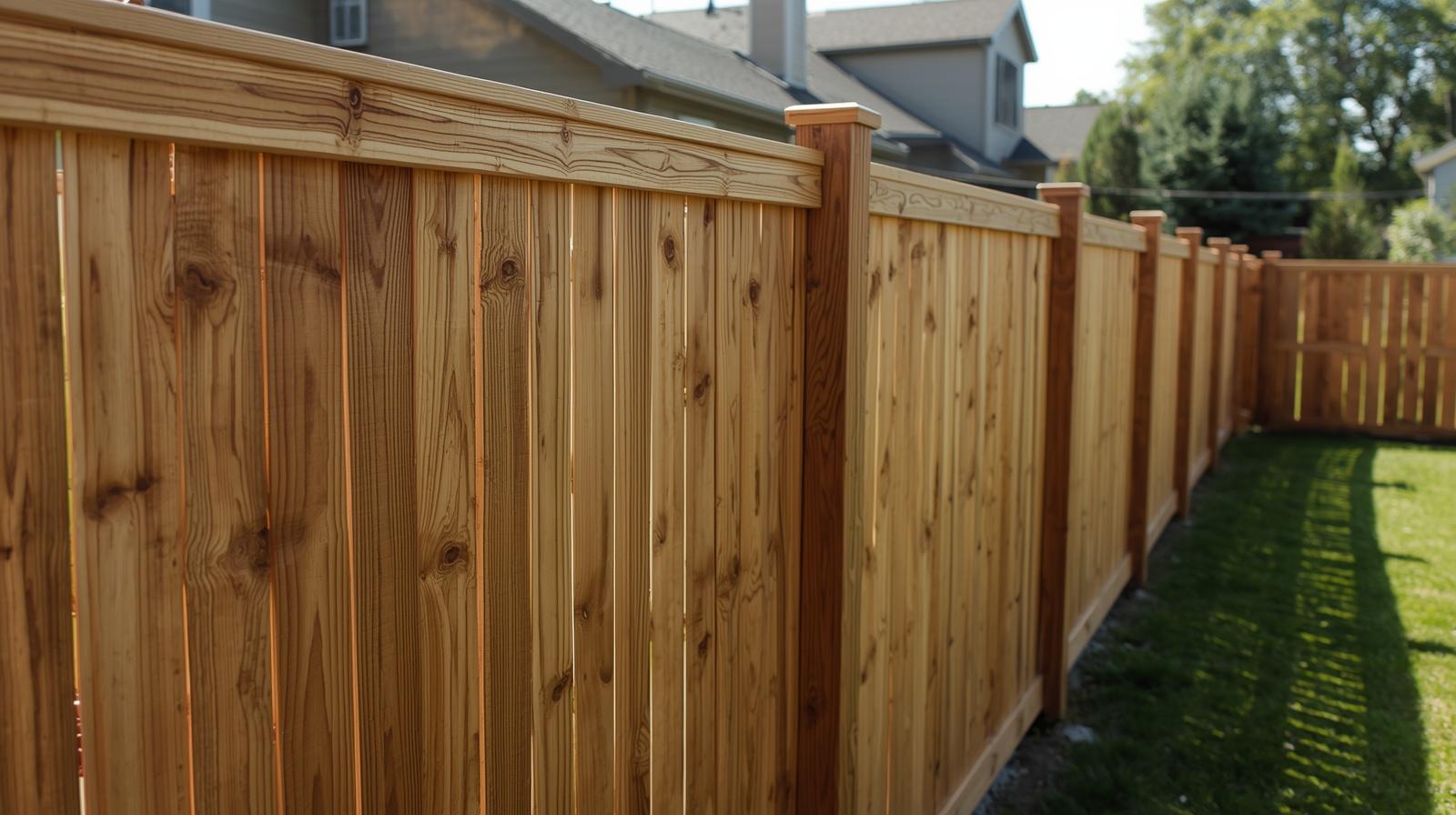
In Freeport, IL, homeowners must obtain a fence permit before installing a fence. Front yard fences are generally limited to 4 feet, while side and rear yard fences are generally limited to 6 feet. Fences must also follow rules for setbacks, sidewalks, public right-of-way, vision clearance areas, approved materials, and property boundaries. The City of Freeport also states that a fence permit is not required for painting, maintenance, or repair/replacement of less than 16 linear feet of fencing.
Why Fence Permits Matter in Freeport, IL
Fence permits in Freeport, IL help ensure fences are built safely, placed correctly, and compliant with local zoning rules. While a fence may seem like a simple backyard project, it can affect property lines, sidewalks, visibility, neighbors, drainage, and public access.
Local fence rules are designed to:
Prevent property line disputes
Protect visibility near streets and intersections
Maintain access to sidewalks and public right-of-way
Ensure safe and durable materials are used
Keep residential neighborhoods consistent and well maintained
Skipping the permit process can lead to delays, fines, or being required to modify or remove the fence. For homeowners, getting approval first is the safest way to avoid expensive mistakes.
Do You Need a Fence Permit in Freeport, IL?
1. Fence Permits Are Required
Freeport code states that no person may install a fence in the city without first obtaining a fence permit and complying with permit requirements. A permit is generally required for new fence installation, full fence replacement, and major changes to layout, height, or structure.
This usually applies to:
New residential fences
Full fence replacements
Major structural modifications
Fence height changes
New gate layouts or access changes
However, Freeport code also provides an exception. A permit is not required for painting, maintenance, or repair/replacement of less than 16 linear feet of fence.
2. What You Need for a Permit Application
A Freeport fence permit application generally requires a completed permit form, payment of the permit fee, and a drawing, site plan, or plat map showing property boundaries, buildings, structures, proposed fence location, and distances from the fence to existing structures.
Homeowners should be prepared to provide:
Fence location
Fence height
Fence material
Gate locations
Property boundaries
Existing structures
Distance from structures, sidewalks, and property lines
If the fence is proposed on rented or leased property, written consent from the property owner is required.
3. Permit Timeline and Expiration
Permit approval timelines vary depending on application completeness and seasonal workload. Homeowners should generally plan for several days to a couple of weeks.
Freeport code also states that a fence authorized by permit must be fully installed within 180 days of the permit issuance date. After that, the permit expires unless extended, and work may not begin or continue until a new or extended permit is issued.
Fence Height Rules in Freeport, IL
4. Front Yard Fence Height
In required front yard setback areas, fences are allowed only if they do not exceed 4 feet in height. Freeport code states that no fence over 4 feet is permitted within required front yard setback areas.
Front yard fences are commonly used for:
Decorative boundaries
Small pet areas
Landscape definition
Low-profile curb appeal
Because front yard fences can affect visibility and neighborhood appearance, they are more restricted than backyard fences.
5. Side and Rear Yard Fence Height
For side and rear yards, Freeport code states that no fence or wall may exceed 6 feet in height. Fences up to 6 feet are permitted in side and rear yards, subject to placement and setback requirements.
A 6-foot fence is commonly used for:
Backyard privacy
Pet containment
Pool screening
Security
Patio and outdoor living areas
Even if a fence is under 6 feet, it must still comply with property line, sidewalk, right-of-way, and vision clearance rules.
6. Vision Clearance Height Rules
Freeport has specific vision clearance rules for fences near streets, corners, and other visibility areas. Fences over 3 feet above street grade may not be installed within vision clearance areas. On corner lots, no fence over 3 feet above street grade is allowed within the vision clearance area.
These rules help protect drivers, pedestrians, and cyclists by keeping sightlines clear.
Setback & Placement Rules
7. Sidewalk and Right-of-Way Setbacks
Freeport code states that side and rear yard fences up to 6 feet must be no closer than 2 feet to a public sidewalk and no closer than 2 feet to any public right-of-way.
This means homeowners should be careful when building near:
Sidewalks
Alleys
Streets
Public access areas
Road-facing property edges
Building too close to a public sidewalk or right-of-way can result in code issues or required relocation.
8. Property Line Placement
Freeport code allows walls or solid fences up to 6 feet along interior side or rear lot lines, provided they do not extend into required front yards. However, fences may not be installed within 2 feet of the rear or side property line without proof of survey submitted to the Community Development Department.
This is especially important for homeowners who want the fence close to a neighbor’s property.
9. Why a Survey Matters
Freeport code places responsibility for property line accuracy on the applicant and owner. The city is not responsible for the survey or its accuracy.
A property survey helps:
Confirm exact lot boundaries
Prevent encroachment
Avoid disputes with neighbors
Support permit approval
Reduce the risk of relocation later
Never rely only on old fence lines, trees, landscaping, mowing patterns, or assumptions.
Corner Lots and Double Frontage Lots
10. Corner Lot Rules
Corner lots often have stricter fence rules because they affect traffic visibility from multiple directions. In Freeport, no fence over 3 feet above street grade may be placed within a vision clearance area on any portion of a corner lot.
If you live on a corner lot, your fence may need to be:
Shorter near intersections
More open in design
Set farther back from street-facing areas
Placed outside restricted visibility zones
11. Double Frontage Lots
Double frontage lots must follow required front yard setbacks on both streets unless otherwise approved through a variance from the Zoning Board of Appeals.
This means a property with streets on two sides may not be able to treat one street-facing yard like a standard backyard without approval.
Approved and Restricted Fence Materials
12. Common Residential Fence Materials
Typical residential fence materials in Freeport, IL include:
Wood
Vinyl
Chain link
Aluminum
Decorative metal
Wood and vinyl are common for privacy. Aluminum works well for decorative fencing. Chain link is practical for pets and larger yards.
13. Restricted Materials
Freeport code prohibits fences made from used or discarded materials in disrepair, including items such as pallets, tree trunks, trash, tires, junk, or similar materials.
This helps maintain safety, appearance, and neighborhood standards.
Fence Permit Process in Freeport, IL
Step 1: Choose Your Fence Type
Decide whether you want wood, vinyl, chain link, aluminum, privacy, semi-private, or decorative fencing.
Step 2: Confirm Property Lines
Use a survey or plat map to confirm legal boundaries.
Step 3: Prepare Your Site Plan
Show the proposed fence location, height, materials, gates, structures, and distances.
Step 4: Submit the Permit Application
Include the completed form, fee, and required drawings or documents.
Step 5: Wait for Approval
Do not begin installation until the permit is approved.
Step 6: Build According to the Approved Plan
Avoid changing height, placement, or materials unless the change is approved.
Common Mistakes to Avoid
Homeowners in Freeport, IL often run into problems by:
Installing without a permit
Building too close to sidewalks
Exceeding 4 feet in front yard setbacks
Exceeding 6 feet in side or rear yards
Blocking vision clearance areas
Building near property lines without survey proof
Using unapproved or unsafe materials
Ignoring corner lot restrictions
Avoiding these mistakes helps prevent delays, fines, and costly corrections.
FAQs
Do I need a permit for a fence in Freeport, IL?
Yes. A fence permit is required before installing a fence in Freeport, except for painting, maintenance, or repair/replacement of less than 16 linear feet.
How tall can my front yard fence be?
Front yard fences in required setback areas are generally limited to 4 feet.
How tall can my backyard fence be?
Side and rear yard fences are generally limited to 6 feet.
Can I build close to my property line?
You may need proof of survey if the fence is within 2 feet of the rear or side property line.
Are there special rules for corner lots?
Yes. Fences over 3 feet above street grade are not allowed in vision clearance areas.
Get a Free Fence Estimate in Freeport, IL
Fence installation in Freeport, IL requires careful planning—from permits and height limits to setbacks, property lines, sidewalks, materials, and visibility rules. Arrow Fence helps homeowners navigate every step so the project is compliant, durable, and built for Midwest weather.
Contact Arrow Fence today for a free fence estimate in Freeport, IL and get expert guidance tailored to your property.
