
Fence Permit Requirements in Marengo, IL: What Homeowners Need to Know
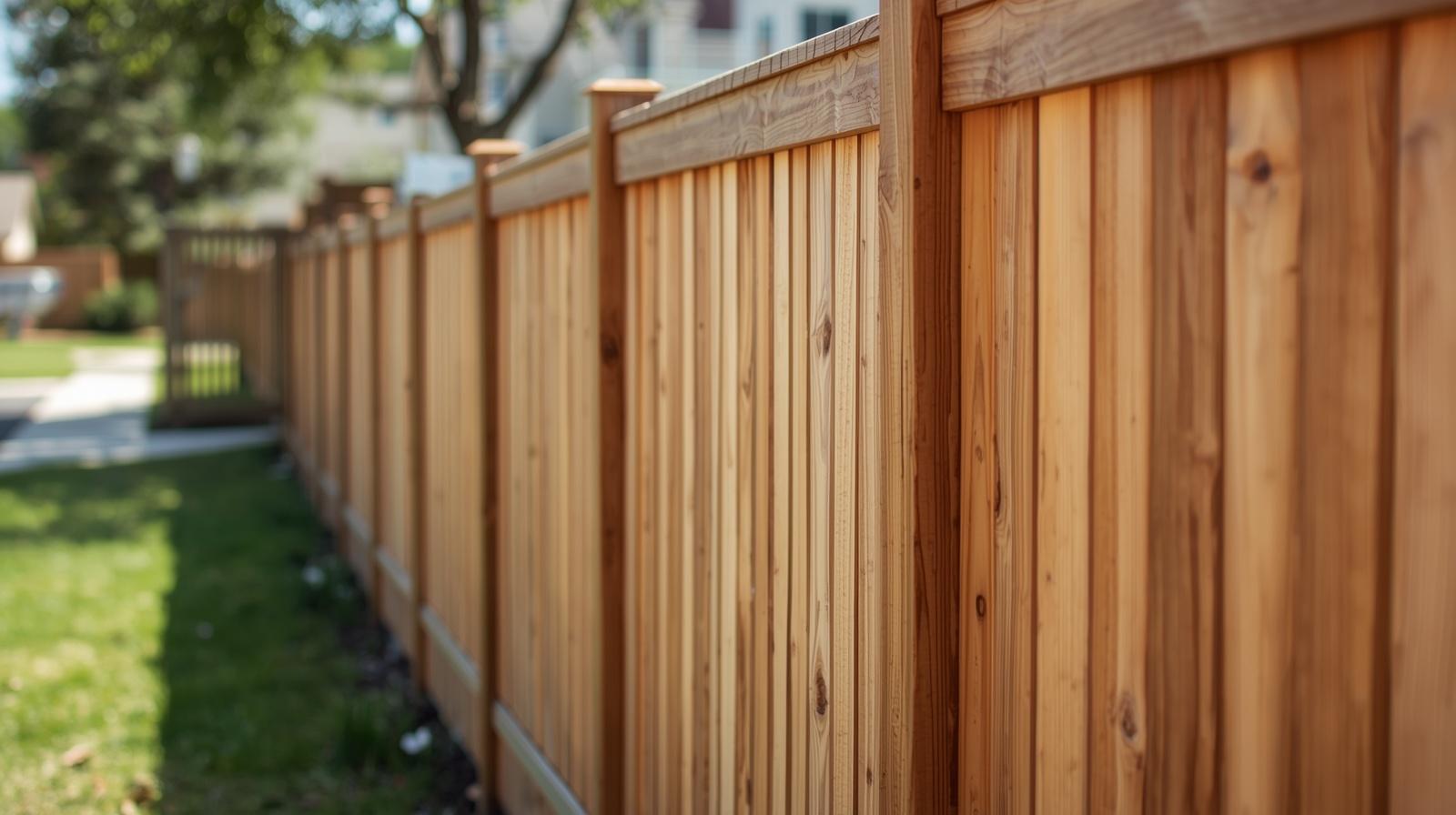
In Marengo, IL, most residential fence projects require a permit before installation and must follow local rules for height, property lines, setbacks, easements, visibility, and materials. Backyard fences are commonly allowed up to 6 feet, while front yard fences are usually limited to 3–4 feet. Before building, homeowners should confirm local zoning rules, verify property boundaries, and check for HOA or subdivision requirements.
Why Fence Permits Matter in Marengo, IL
Fence permits in Marengo, IL help ensure that residential fences are safe, properly placed, and compliant with local zoning requirements. While a fence may seem like a simple home improvement, it can affect several important areas, including property boundaries, neighbor access, drainage, utility easements, sidewalks, and traffic visibility.
Local fence rules are designed to:
Prevent property line disputes
Maintain neighborhood appearance
Protect visibility near streets and driveways
Preserve access to utility and drainage easements
Ensure fences are built with safe, durable materials
Skipping the permit process can cause problems after installation. If a fence is too tall, installed in the wrong location, or built inside an easement, the homeowner may need to modify or remove it. Getting approval first helps avoid expensive corrections.
Do You Need a Fence Permit in Marengo, IL?
1. Permits Are Typically Required
In Marengo, IL, most residential fence installations require approval before construction begins. This typically applies to:
New fence installations
Full fence replacements
Major repairs that change layout or structure
Fence height changes
Gate or access changes
Even if you are replacing an existing fence, it is smart to confirm current requirements before starting work. Older fences may not meet today’s zoning rules, especially if they were installed before current setbacks, visibility rules, or easement requirements were adopted.
2. What You May Need for a Permit Application
A fence permit application commonly requires:
Property owner information
Fence material
Fence height
Proposed fence location
Gate locations
Site plan or plat of survey
Distance from property lines, sidewalks, and structures
The site plan is one of the most important parts of the permit process. It shows where the fence will be placed and helps confirm that it will not violate setbacks, easements, or visibility requirements.
3. Permit Approval Timeline
Permit approval timelines vary by season and application completeness. Homeowners should generally plan for:
A few days to a couple of weeks for review
Additional time if corrections are needed
Longer timelines during spring and summer
Applying early helps prevent project delays, especially during peak fence installation season.
Fence Height Rules in Marengo, IL
4. Backyard Fence Height
For many residential properties, backyard fences are commonly allowed up to 6 feet tall. This height is popular for privacy fencing and is often used for:
Backyards
Pet areas
Pool enclosures
Side yards behind the front building line
Privacy screening
A 6-foot fence provides strong privacy, but it must still follow placement, visibility, easement, and material rules.
5. Front Yard Fence Height
Front yard fences are usually more limited than backyard fences. In many residential areas, front yard fences are typically limited to 3–4 feet.
Front yard fencing is often expected to be:
Shorter
More open or decorative
Positioned carefully near sidewalks and driveways
Designed to avoid blocking sightlines
If your property is on a corner lot, rules may be stricter because the fence could affect traffic visibility.
6. Measuring Fence Height
Fence height is usually measured from finished ground level to the highest point of the fence. This can include:
Fence panels
Pickets
Lattice tops
Decorative post caps
Arched or scalloped sections
Before choosing a decorative design, confirm whether those features count toward the total allowed height.
Property Line & Placement Rules
7. Fence Must Stay Within Your Property
A fence in Marengo, IL should be installed fully within your property boundaries. It should not cross onto neighboring property, public right-of-way, sidewalks, alleys, or restricted areas.
Even a small encroachment can become a major issue when:
A neighbor sells their home
A property survey is completed
Utility access is needed
A boundary dispute occurs
A future home improvement project is planned
Correct placement is one of the most important parts of a compliant fence project.
8. Why a Property Survey Matters
A current property survey or plat of survey helps confirm exact boundary lines. This is especially important if:
You are unsure where the property line is
An existing fence may not be correctly placed
Your lot has an unusual shape
You border an alley, sidewalk, or roadway
You share boundaries with multiple neighbors
Homeowners should not rely on mowing patterns, landscaping, trees, old posts, or existing fences to determine legal property lines.
9. Shared Fence Considerations
If your fence will be installed directly along a shared boundary, it is wise to talk with neighbors before work begins. Even when neighbor permission is not required, communication can prevent misunderstandings.
Discuss:
Fence location
Fence height
Style and material
Installation schedule
Access needs during construction
Future maintenance responsibilities
A quick conversation before installation can prevent conflict after the fence is built.
Setbacks, Easements & Restricted Areas
10. What Are Setbacks?
Setbacks determine how close a fence can be placed to certain property features, such as:
Streets
Sidewalks
Alleys
Driveways
Public right-of-way areas
Utility access areas
Setback requirements may vary depending on zoning district, lot type, and fence location. Corner lots and street-facing side yards often have additional restrictions.
11. Easements
Before installing a fence, check your property documents for easements. Common easements include:
Utility easements
Drainage easements
Stormwater easements
Access easements
A fence built in an easement may need to be removed if the city, utility company, or service provider needs access. In many cases, the homeowner is responsible for removal and replacement costs.
12. Drainage Considerations
Fence placement should not interfere with natural drainage patterns. Blocking water flow can create problems such as:
Water pooling in your yard
Soil erosion
Drainage disputes with neighbors
Fence post instability
Premature wood rot or material damage
For some fence styles, leaving a small gap at the bottom can help water move properly across the property.
Visibility & Corner Lot Rules
13. Driveway and Street Visibility
Fences must not block visibility for drivers, pedestrians, cyclists, or vehicles entering and exiting driveways.
Visibility is especially important near:
Driveways
Sidewalks
Street corners
Alleys
Intersections
A fence that blocks sightlines can create a safety issue and may violate local zoning rules.
14. Corner Lot Restrictions
Corner lots often have stricter fence requirements because they border two streets. If your home is on a corner lot, your fence may be restricted by:
Height
Placement
Distance from the intersection
Material openness
Front-yard classification on more than one side
These restricted areas are often called visibility triangles. In these zones, shorter or more open fencing may be required to preserve safe sightlines.
Approved Fence Materials
15. Common Residential Fence Materials
Most residential fences in Marengo, IL are built with common materials such as:
Wood
Vinyl
Chain link
Aluminum
Decorative metal
Wood and vinyl are often chosen for privacy. Aluminum is commonly used for decorative boundaries and open visibility. Chain link is practical for pets, large yards, and budget-friendly installations.
16. Restricted Materials
Certain materials may be restricted in residential areas, including:
Barbed wire
Electric fencing
Temporary construction fencing
Sharp or hazardous materials
Unfinished or non-durable materials
These restrictions help protect residents and maintain neighborhood standards.
Fence Orientation & Maintenance
17. Finished Side Facing Out
Many communities expect fences to be installed with the finished side facing outward toward neighboring properties, streets, or public view. This means:
Smooth or finished side faces outward
Posts and rails face inward
Fence has a clean appearance from outside the property
This standard helps maintain neighborhood appearance and reduces complaints.
18. Homeowner Maintenance Responsibilities
After installation, homeowners are responsible for maintaining the fence. Maintenance may include:
Replacing broken boards
Repairing leaning posts
Keeping gates aligned
Removing rust or rot
Keeping the fence upright and safe
Replacing damaged panels after storms
A neglected fence can become a safety concern and may attract code complaints.
Step-by-Step Fence Permit Process
Step 1: Choose Your Fence Type
Decide whether you want wood, vinyl, aluminum, chain link, privacy, semi-private, or decorative fencing.
Step 2: Confirm Property Lines
Use a survey, plat, or official records to confirm your boundaries.
Step 3: Check Easements
Review your property documents for utility, drainage, stormwater, or access easements.
Step 4: Prepare a Site Plan
Mark the proposed fence location, height, gates, and nearby structures.
Step 5: Submit Your Permit Application
Provide the required documents and wait for approval before construction begins.
Step 6: Schedule Installation
Once approved, schedule the project with a qualified contractor.
Step 7: Build According to the Approved Plan
Avoid changing height, layout, or material after approval unless the change is also approved.
Common Mistakes to Avoid
Homeowners in Marengo, IL often run into issues by:
Installing without a permit
Guessing property lines
Building too close to sidewalks or roads
Blocking visibility near driveways
Building inside easements
Choosing restricted materials
Exceeding height limits
Changing the layout after approval
Avoiding these mistakes can save time, money, and stress.
FAQs
Do I need a permit for a fence in Marengo, IL?
Most residential fence installations require approval before construction. Always confirm local requirements before building.
How tall can my fence be?
Backyard fences are commonly allowed up to 6 feet, while front yard fences are typically limited to 3–4 feet.
Can I build directly on my property line?
You may be able to build near the property line, but the fence must remain within your boundary and follow local placement rules.
Can I install a fence in an easement?
No. Fences in easements may need to be removed if access is required.
Do corner lots have special fence rules?
Yes. Corner lots often have stricter visibility requirements near intersections and street-facing yards.
Get a Free Fence Estimate in Marengo, IL
Fence installation in Marengo, IL requires careful planning—from permits and property lines to height limits, materials, easements, and drainage. Arrow Fence helps homeowners navigate every step so the project is compliant, durable, and built for Midwest weather.
Contact Arrow Fence today for a free fence estimate in Marengo, IL and get expert guidance tailored to your property.
