
Fence Permit Requirements in Rochelle, IL: What Homeowners Need to Know
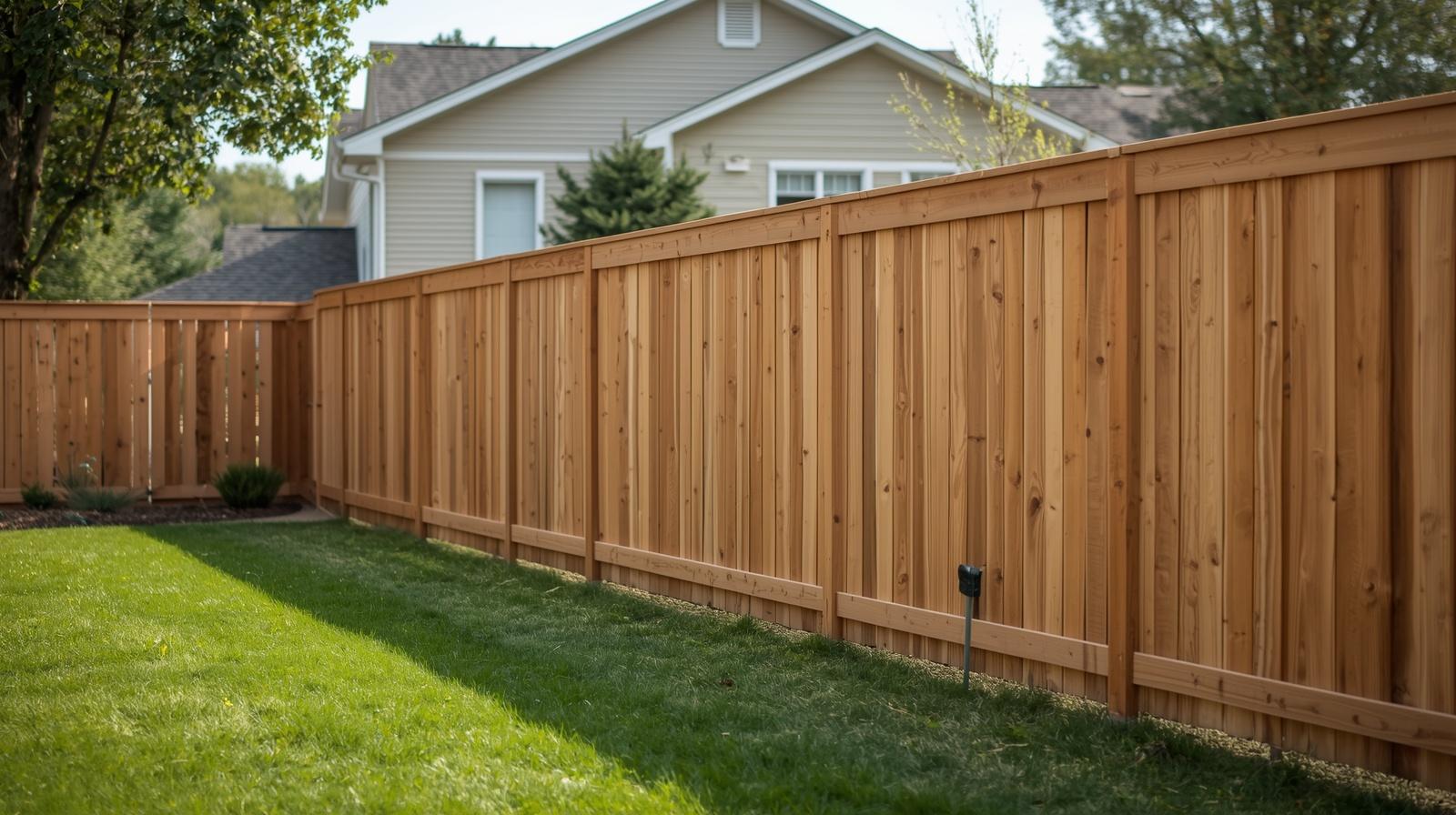
In Rochelle, IL, most residential fence projects require a permit before installation and must follow local rules for height, placement, visibility, and materials. Fences are typically limited to around 6 feet, must stay within property lines, and cannot be installed in easements. Proper planning helps avoid fines, delays, or removal.
Why Fence Permits Matter in Rochelle, IL
Fence permits in Rochelle, IL exist to ensure that construction is safe, properly placed, and consistent with local zoning regulations. While fences may seem like simple structures, they can impact neighbors, traffic visibility, drainage, and access to utilities.
Local rules are designed to:
Protect property boundaries and prevent disputes
Maintain a consistent neighborhood appearance
Ensure visibility for drivers and pedestrians
Prevent interference with drainage systems and utilities
Skipping the permit process can result in fines, project delays, or being required to remove or relocate your fence after installation.
Do You Need a Fence Permit in Rochelle, IL?
1. Permits Are Required
In Rochelle, IL, a permit is required before installing, replacing, or making major changes to a residential fence.
This applies to:
New fence installations
Full fence replacements
Structural modifications such as height or layout changes
Permits ensure your fence complies with zoning codes and local safety standards.
2. What You Need for a Permit Application
When applying for a fence permit, you will typically need to submit:
A site plan showing fence layout
Property boundaries and dimensions
Fence height and material type
Gate locations and access points
A clear and accurate site plan is one of the most important parts of the application. It helps the city verify that your fence will not violate property lines, setbacks, or visibility rules.
3. Permit Timeline
Permit approval in Rochelle, IL usually takes:
A few days to a couple of weeks
Applying early—especially during spring and summer—can help avoid scheduling delays.
Fence Height Rules in Rochelle, IL
4. Backyard Fence Height
For most residential properties:
Backyard fences are typically allowed up to 6 feet tall
This is the standard height for privacy fences and is widely accepted across residential zones.
5. Front Yard Fence Height
Front yard fences are usually more restricted:
Typically limited to 3–4 feet tall
Often required to be more open or decorative
Lower height limits help preserve visibility and maintain a uniform neighborhood appearance.
6. Height Measurement
Fence height is measured:
From ground level
To the highest point of the fence
Decorative elements such as lattice or post caps may count toward the total height, depending on design.
Property Line & Placement Rules
7. Fence Placement Requirements
Fences in Rochelle, IL must:
Be installed completely within your property boundaries
Not extend onto neighboring property
Follow the approved site plan submitted with your permit
Even a small encroachment can lead to disputes or legal action, so accuracy is critical.
8. Importance of Property Surveys
A professional property survey is highly recommended before installing a fence.
Benefits include:
Confirming exact boundary lines
Preventing disputes with neighbors
Ensuring proper placement during installation
Relying on old fences, visual estimates, or assumptions can result in costly mistakes.
9. Shared Fence Considerations
If a fence is installed along a property line:
It may be considered a shared boundary fence
Communication with neighbors is strongly recommended
While not always legally required, discussing plans in advance can help avoid conflicts.
Setbacks, Easements & Drainage
10. Understanding Setbacks
Setbacks determine how close a fence can be placed to:
Streets and sidewalks
Alleys or public access areas
Other structures
Exact setback distances vary by zoning, but fences must not interfere with public access or safety.
11. Easements
Before installing a fence, you must check for:
Utility easements
Drainage easements
Public right-of-way areas
Fences cannot block access to these areas. If installed within an easement, the city or utility company may remove the fence if access is needed.
12. Drainage Considerations
Fences must not disrupt natural drainage patterns.
Improper placement can lead to:
Water pooling in your yard
Soil erosion
Flooding issues for neighboring properties
Leaving a small gap at the bottom of the fence or designing around drainage flow can help prevent these problems.
Visibility & Corner Lot Rules
13. Visibility Requirements
Fences must not block visibility for:
Drivers approaching intersections
Vehicles exiting driveways
Pedestrians using sidewalks
Maintaining clear sightlines is required for safety and is strictly enforced.
14. Corner Lot Restrictions
If your home is located on a corner lot:
Fence height may be limited near intersections
Placement may be restricted in certain zones
Open or decorative fencing may be required
These areas are often referred to as visibility triangles, where lower fencing is required to maintain safety.
Approved Fence Materials
15. Common Materials Allowed
Most residential fences in Rochelle, IL are built using:
Wood
Vinyl (PVC)
Chain link
Aluminum or decorative metal
These materials meet safety and durability standards for residential use.
16. Restricted Materials
Certain materials are typically restricted or prohibited:
Barbed wire (in residential areas)
Electric fencing
Temporary or unsafe materials
These restrictions help maintain safety and neighborhood appearance.
Fence Orientation Rules
17. Finished Side Facing Out
Fences are typically required to be installed so that:
The finished (smooth) side faces outward
Structural supports face inward toward your property
This standard helps maintain a clean and consistent appearance across neighborhoods.
Step-by-Step Fence Permit Process
Step 1: Plan Your Fence
Choose your material, height, and layout based on your needs.
Step 2: Verify Property Lines
Use a survey or official records to confirm boundaries.
Step 3: Submit Permit Application
Provide all required documents to the city.
Step 4: Wait for Approval
Approval typically takes several days to a few weeks.
Step 5: Install Your Fence
Begin construction only after receiving approval.
Following these steps helps ensure a smooth and compliant project.
Common Mistakes to Avoid
Homeowners in Rochelle, IL often make these mistakes:
Installing fences without permits
Guessing property lines instead of verifying
Exceeding height limits
Blocking visibility near intersections
Building inside easements
Ignoring drainage considerations
Avoiding these mistakes can save time, money, and legal complications.
Pro Tips for a Smooth Fence Project
To ensure a successful fence installation:
Apply for permits early
Get a professional property survey
Follow all height and placement rules
Choose materials suited for Illinois weather
Work with experienced contractors
Planning ahead is the best way to avoid delays and ensure long-term durability.
FAQs
Do I need a permit for a fence in Rochelle, IL?
Yes—most fence installations require a permit before construction begins.
How tall can my fence be?
Typically up to 6 feet, with lower limits in front yards.
Can I build directly on my property line?
Yes, but the fence must remain within your boundary.
Can I install a fence in an easement?
No—fences in easements may need to be removed.
Are there rules for corner lots?
Yes—height and placement may be restricted for safety and visibility.
Get a Free Fence Estimate in Rochelle, IL
Fence installation in Rochelle, IL requires careful planning—from permits and zoning rules to property line placement and drainage considerations. Arrow Fence helps homeowners navigate every step to ensure compliance and long-term performance.
Contact Arrow Fence today for a free fence estimate in Rochelle, IL and get expert guidance tailored to your project.
