
Fence Planning in Davis Junction, IL: Property Lines, Gates and Yard Access Before Winter
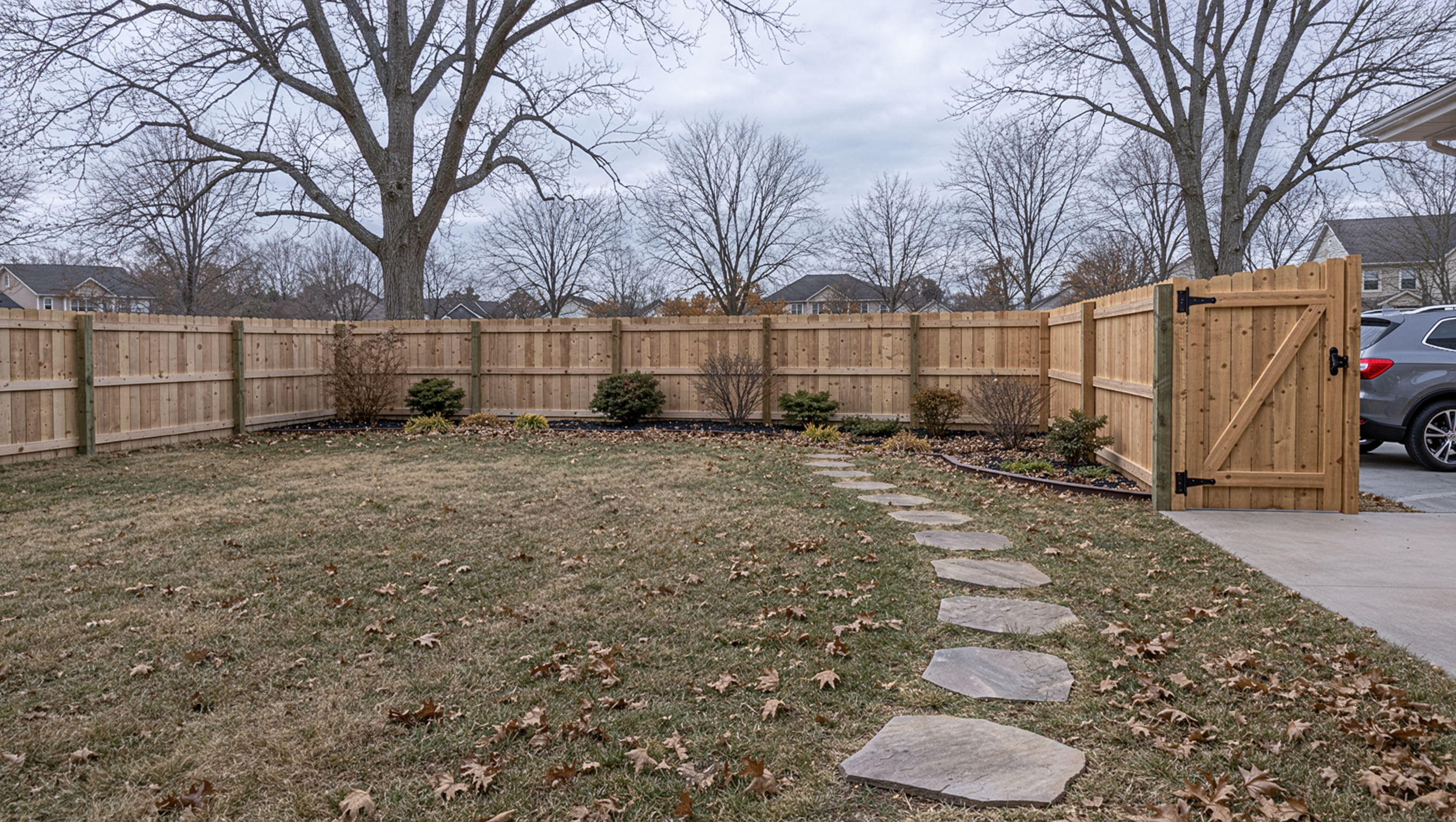
Late fall is a good time for Davis Junction homeowners to organize the details that can make a future fence project easier. Before snow covers the yard, review the property line, gate locations, equipment access, drainage, slopes, pet needs, and winter travel paths. A clear layout now can help reduce last-minute changes later.
Start With the Yard Layout
Before choosing a fence material, look at how the property is actually used.
Walk the yard and identify:
Driveways
Patios
Sheds
Side-yard paths
Existing gates
Landscaping
Slopes
Low areas
This gives you a clearer picture of where the fence should go and where access needs to remain open.
Confirm the Intended Property Line
Do not assume an old fence, mowing line, or row of trees marks the correct boundary.
If there is uncertainty, resolve it before installation.
The proposed fence line should be based on the actual intended property limits and how the new fence will fit the yard.
Applicable local requirements should also be reviewed before final placement and height are approved.
Decide What the Fence Needs to Do
The purpose of the fence should guide the rest of the plan.
Common goals include:
Privacy
Pet containment
Property definition
Security
Screening around a patio or outdoor area
A fence designed mainly for dogs may use a different material or gate setup than one focused on privacy.
Clarifying the purpose early makes the remaining decisions easier.
Do Not Automatically Copy the Old Fence
If the property already has fencing, use it as a reference rather than a blueprint.
Ask:
Are the current gates convenient?
Is too much usable yard cut off?
Are there areas that feel too exposed?
Does the layout interfere with mowing?
Are drainage problems repeated in the same spots?
A replacement project is a good chance to improve the layout instead of repeating the same problems.
Plan Gates Around Daily Movement
Gate locations should follow the paths you use most often.
Think about routes between:
Driveway and backyard
Garage and lawn
House and patio
Side yard and storage space
A gate that looks reasonable on paper can still feel awkward in daily use.
Walk the route before deciding where the opening should go.
Decide Whether You Need One Gate or More
Some yards only need one well-placed gate.
Others may benefit from:
A daily walk gate
A separate equipment gate
A second access point near a patio
Each gate adds hardware, support posts, and maintenance points.
Add openings because they improve function, not simply because there is available space.
Measure Equipment Before Setting Gate Width
If you need backyard access for equipment, measure it before choosing the gate opening.
That may include:
Riding mowers
Utility trailers
Garden carts
Landscaping equipment
An undersized gate can become a long-term inconvenience.
At the same time, an unnecessarily wide gate may need more support than the yard actually requires.
Think About Gate Swing
A gate needs enough room to open without blocking another part of the property.
Check for conflicts with:
Steps
Patio furniture
Landscaping
Trash containers
Narrow walkways
This is especially important in side yards where space is limited.
Plan for Winter Snow Routes
A fall fence plan should work in winter too.
Think about where snow is normally:
Shoveled
Blown
Stored
A frequently used gate should not sit in a location that becomes blocked after every snowfall.
This is particularly important for homes where pets need regular backyard access.
Leave Enough Room for Snow Removal
Fence placement can affect more than just the gate.
Avoid creating narrow passages that make it difficult to move a snowblower or shovel through the property.
Pay attention to areas between:
The house and fence
Driveway and gate
Side yard and landscaping
A little extra space can make winter access much easier.
Review Narrow Side Yards Carefully
Tight side yards often need the most planning.
Ask whether the space must still accommodate:
Trash bins
Mowers
Garden tools
Utility access
Foot traffic
A privacy fence can make a narrow area feel even smaller.
Gate width, fence placement, and swing direction should all work together.
Check Slopes Before Snow Covers Them
Changing ground elevation can affect:
Fence alignment
Ground gaps
Gate clearance
Pet containment
Depending on the fence system, sections may need to be stepped or installed to follow the grade more closely.
Slopes are easier to evaluate before snow hides the lower edge.
Look at Drainage After Rain
Fall rain can reveal important site conditions.
Look for:
Standing water
Soft soil
Erosion
Washout
Downspout runoff
Fence posts need stable support.
If water repeatedly moves through the proposed fence line, that area may need additional planning before installation.
Do Not Block Natural Runoff
The fence should work with the yard's drainage pattern rather than against it.
Solid fence sections can also trap leaves and debris along the bottom.
Poor drainage can contribute to:
Post movement
Ground gaps
Gate misalignment
Addressing drainage before installation can reduce future repair problems.
Think About Pets Before Finalizing the Layout
Dog owners should consider more than the material.
Look at:
Gate locations
Bottom gaps
Slopes
Digging areas
Outside activity
A dog that rushes the gate may benefit from an entrance away from a busy driveway.
A reactive dog may benefit from targeted privacy fencing along specific sides.
Consider Mixed Materials
You do not have to use the same fence material around the entire property.
A Davis Junction yard might use:
Wood privacy near a patio
Vinyl along a shared boundary
Chain link around a pet area
Aluminum near landscaping
A mixed layout can balance privacy, airflow, maintenance, and appearance.
It can also help avoid solid fencing where it is unnecessary.
Think About Wind Exposure
Solid wood and vinyl privacy fencing catch more wind than open styles.
Pay attention to:
Long exposed runs
Corners
End posts
Gate areas
If a boundary does not need full privacy, a more open style may be a better fit.
Wind exposure should be part of the planning process from the beginning.
Clear the Fence Line Before Winter
Remove clutter that could hide important site conditions.
That may include:
Leaf piles
Hoses
Garden tools
Planters
Stored materials
A clear fence line makes it easier to spot:
Roots
Old concrete
Uneven ground
Drainage issues
This information can be useful during a future estimate.
Trim Vegetation That Blocks the Route
Shrubs, vines, and low branches can interfere with the proposed fence line.
Trim enough to reveal the work area.
Be cautious around large roots.
Sometimes a small layout adjustment is more practical than disturbing an established tree or major root system.
Think About Material Access
Fence materials and tools need a practical path into the yard.
Access may be restricted by:
Narrow gates
Steps
Landscaping
Sheds
Tight corners
Identifying these limitations before installation can make the project easier to organize.
Separate Immediate Decisions From Later Details
Not every choice has to be finalized at once.
Good Decisions to Make Before Winter
Property line
Fence purpose
Gate locations
Equipment access
Drainage concerns
Details That Can Be Refined Later
Exact style
Decorative features
Color choices
This can keep the planning process focused without rushing smaller decisions.
Sketch the Property
A simple drawing can help organize the layout.
Mark:
House
Driveway
Patio
Shed
Proposed fence line
Gate locations
Equipment route
Pet area
The sketch does not need to be professional.
Its purpose is to show whether the fence supports the way you actually use the yard.
Before-Winter Fence Planning Checklist
Before snow settles in Davis Junction, review:
Property boundaries
Fence purpose
Proposed layout
Gate locations
Gate widths
Gate swing
Equipment access
Side-yard clearance
Pet needs
Slopes
Drainage
Snow removal routes
Organizing these details now can make a future installation much more straightforward.
Request a Free Fence Estimate
Arrow Fence helps Davis Junction homeowners plan fencing around property lines, gates, pets, privacy, equipment access, drainage, and everyday yard use.
Whether you are planning a new fence, replacing an older layout, or preparing ahead for next season, Arrow Fence can help you review practical options for your property.
Contact Arrow Fence at arrowfencerockford.com to request a free estimate for your fence project.
