
Fence Planning in Galena, IL: Property Lines, Gates and Fall Yard Access
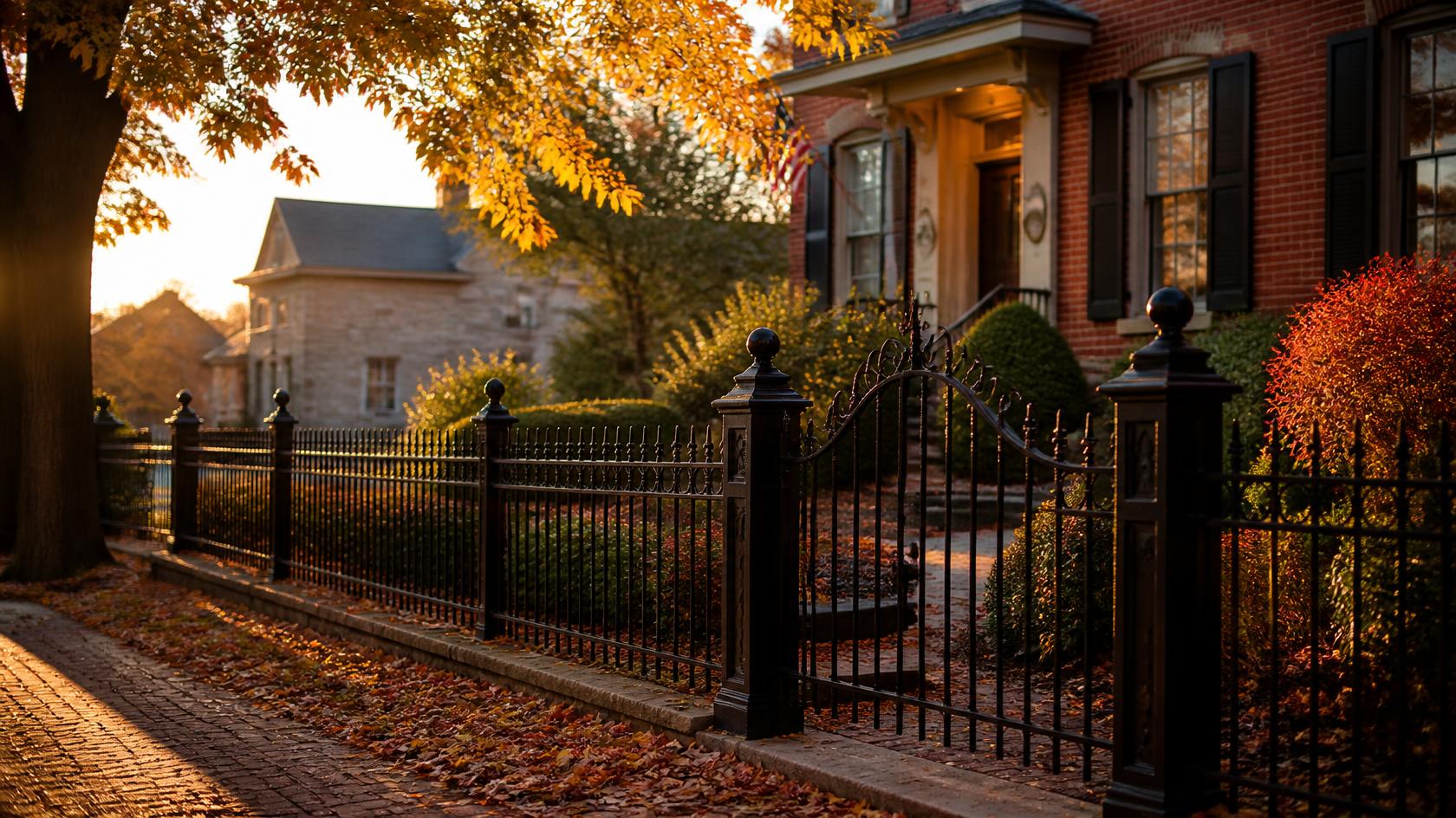
Good fence planning in Galena starts with three basics: knowing where the fence should go, deciding how people and equipment will move through the yard, and making sure fall conditions will not complicate access. Property boundaries, gate width, slopes, drainage, landscaping, pets, and future yard projects should all be reviewed before installation begins.
Start With the Fence Line, Not the Material
It is easy to begin a fence project by comparing wood, vinyl, chain link, or aluminum.
But the layout should come first.
Before choosing the final material, determine:
Which parts of the yard need fencing
Where the fence should begin and end
Which areas need privacy
Where gates are necessary
What must remain accessible
A well-planned layout can make even a simple fence much more useful.
Confirm Property Boundaries Early
Do not assume an old fence, hedge, landscaping edge, or mowing line marks the actual property boundary.
Before installation, review available property information such as:
Surveys
Property markers
Easements
Existing site plans
If anything is unclear, resolve it before posts are placed.
This is especially important when fencing runs close to neighboring properties, driveways, or other permanent features.
Review the Existing Fence Carefully
If the property already has fencing, decide whether it should be:
Repaired
Partially replaced
Completely removed
A current fence may not follow the best layout for how the yard is used today.
Look for:
Awkward gate locations
Sections that block useful access
Fence lines that no longer fit landscaping
Areas where privacy is unnecessary
Replacement is an opportunity to improve the layout instead of simply copying the old one.
Map Out Everyday Yard Traffic
Think about how people normally move around the property.
Common routes may include:
House to driveway
Garage to backyard
Patio to side yard
Yard to garden
Yard to storage shed
Gate locations should follow those natural paths.
A gate that looks convenient on paper may become frustrating if it requires walking around the house every time you need to reach another part of the property.
Choose Gate Width Before Installation
Gate width deserves more attention than many homeowners expect.
A standard walk gate may work for everyday access, but wider openings may be necessary for:
Riding mowers
Wheelbarrows
Landscaping equipment
Trailers
Utility vehicles
Large outdoor furniture
Measure the widest item that needs to enter the yard.
Adding extra width after installation can require changes to posts, framing, and nearby fence sections.
Consider Separate Walk and Equipment Gates
One oversized gate is not always the best solution.
Some yards work better with:
A smaller everyday walk gate
A separate wider equipment gate
This can make regular access easier while keeping a larger opening available when needed.
It can also be useful for households with pets because the frequently used gate can remain smaller and easier to manage.
Gate Posts Need Strong Support
Gates place more stress on posts than ordinary fence sections.
Wider gates increase that load.
Gate planning should account for:
Post stability
Hinges
Latches
Bracing
Gate weight
A gate that is too heavy for its support can begin sagging or dragging over time.
Planning the structure correctly from the beginning is better than repeatedly adjusting the gate later.
Think About Fall Yard Access
Fall changes how a property is used.
Homeowners may need access for:
Leaf cleanup
Mowers
Yard carts
Branch removal
Landscaping work
Seasonal storage
Do not place fencing or gates where they make these tasks unnecessarily difficult.
If equipment regularly moves through one side of the property, that path should remain practical after the fence is installed.
Falling Leaves Can Hide Site Problems
Leaves may cover areas that need attention before fence work starts.
Clear the proposed fence line so you can see:
Low spots
Erosion
Roots
Uneven soil
Existing footings
Ground gaps
A clean work area makes it easier to evaluate the property before posts are installed.
It can also reveal drainage problems that were hidden during summer.
Watch Drainage During Fall Rain
Fall rain provides a useful opportunity to see where water naturally travels.
Check whether runoff:
Crosses the fence line
Collects near planned posts
Washes soil away
Pools near gate locations
Standing water and erosion can affect future post stability.
The fence should work with the yard's drainage rather than blocking normal water movement.
Sloped Ground Changes the Layout
Galena-area properties may include uneven or sloped yard sections, and those areas need extra planning.
Depending on the fence system, sections may be:
Stepped
Installed to follow the grade more closely
Slopes also affect gate clearance and ground gaps.
Pet owners should pay particular attention to these transitions because a small grade change can create an opening beneath the fence.
Keep Driveway Visibility in Mind
A fence near a driveway should not make it unnecessarily difficult to see when entering or leaving the property.
When planning fencing near vehicle access, consider:
Fence height
Gate position
Landscaping
Sightlines
A solid privacy section may be appropriate elsewhere in the yard while a more open design makes better sense near an access point.
Plan Around Pets
If the fence is intended for dogs, include pet needs from the beginning.
Think about whether the dog:
Jumps
Digs
Climbs
Reacts to outside activity
Rushes gates
These behaviors can influence:
Fence height
Material
Privacy level
Gate design
Ground clearance
Solid wood or vinyl can help reduce outside visual distractions, while chain link may work well when open visibility is not a concern.
Leave Room for Landscaping
Shrubs, trees, and garden beds can affect both installation and future maintenance.
Before finalizing the fence line, consider:
Mature plant size
Tree roots
Branch growth
Access for trimming
Space for repairs
Avoid placing fencing so close to vegetation that homeowners cannot inspect posts or maintain the fence later.
Think About Future Yard Projects
A fence can remain in place for years, so consider what may change later.
Future projects could include:
A shed
Patio expansion
Garden beds
Play areas
Outdoor storage
New landscaping
Gate and fence placement should leave reasonable access for those possibilities.
Planning ahead may prevent sections from needing to be moved later.
Compare Materials After the Layout Is Clear
Once the fence line and access points are settled, material selection becomes easier.
Wood
Useful for privacy, natural appearance, and custom layouts.
Vinyl
Good for consistent screening and lower routine surface maintenance.
Chain Link
Practical for pets, larger boundaries, and open visibility.
Aluminum
Useful for decorative areas where homeowners want to preserve views.
The best material may vary by section of the property.
Mixed Materials May Fit the Yard Better
One property does not always need the same fence everywhere.
A practical plan could use:
Wood or vinyl near a patio
Chain link around a pet area
Aluminum near landscaping
This can create privacy where it is useful without unnecessarily blocking open areas.
Prepare for Winter Access Too
A fence installed in fall should still work once snow arrives.
Think about:
Where snow is normally piled
Which gates must stay accessible
Snowblower routes
Pet pathways
Driveway clearance
Avoid placing the main gate in an area that regularly becomes a snow-storage zone.
Gate swing and bottom clearance should also be considered.
Final Planning Checklist
Before scheduling installation, confirm:
Property boundaries have been reviewed
The fence line fits the yard
Gate locations are practical
Equipment access is wide enough
Slopes have been considered
Drainage has been checked
Landscaping is clear of the work area
Pet needs are accounted for
Winter access will remain usable
These decisions can prevent costly changes after installation begins.
Request a Free Fence Estimate
Arrow Fence helps Galena homeowners plan fencing around property boundaries, gates, pets, privacy, landscaping, and seasonal access.
Whether you are considering wood, vinyl, chain link, aluminum, fence replacement, repairs, or new gates, Arrow Fence can help you compare practical options for your property.
Contact Arrow Fence at arrowfencerockford.com to request a free estimate for your fence project.
