
Fence Planning in Machesney Park, IL: Getting Ready for a Spring Project This Fall
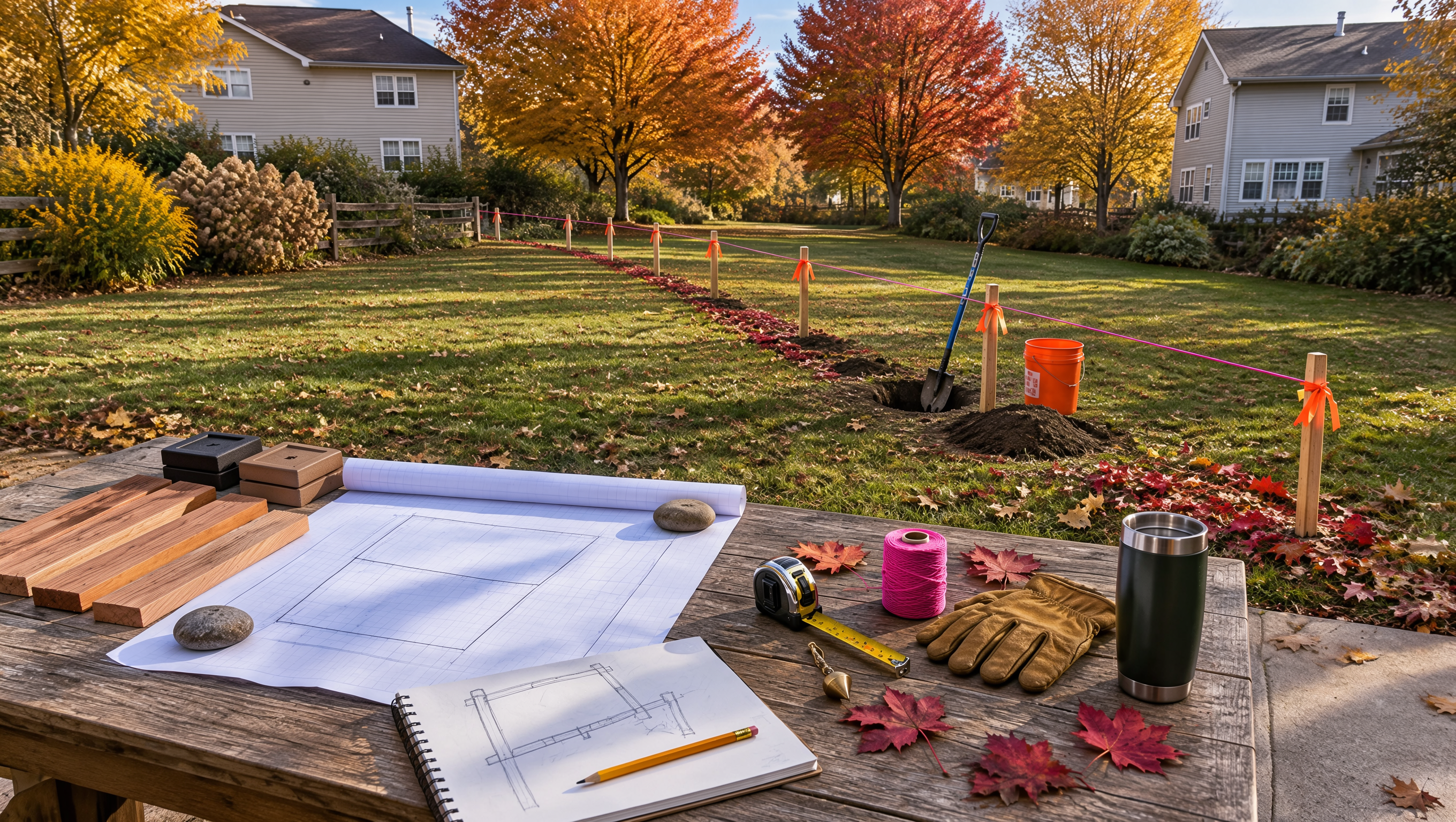
Fall is a useful time for Machesney Park homeowners to start planning a spring fence project. Before winter limits access to the yard, review the fence line, privacy needs, gate locations, drainage, slopes, landscaping, pets, and material options. Making these decisions now can help create a clearer project scope when installation season returns.
Why Plan a Spring Fence in Fall?
A fence may not be installed until spring, but many of the important decisions can be made before winter.
Fall gives homeowners a chance to see:
How the yard drains after rain
Where leaves and debris collect
Which areas need privacy
How gates should connect to everyday routes
Where an older fence is failing
Once snow covers the ground, some of these details can become harder to evaluate.
Planning now can also give you more time to compare materials and decide what the finished yard should accomplish.
Start With the Reason for the Fence
Before thinking about materials, decide what the fence needs to do.
Common goals include:
Backyard privacy
Dog containment
Property definition
Patio screening
Safer gate access
Replacing an aging fence
The purpose affects nearly every other choice, from height and material to gate location.
A fence designed mainly for privacy may look very different from one intended to create a large pet area.
Walk the Proposed Fence Line
Fall is a good time to walk the entire area before the ground is covered by snow.
Look for:
Trees
Shrubs
Sheds
Patios
Driveways
Utility areas
Existing fence sections
Think about whether the current layout still makes sense.
If an older fence is being replaced, do not automatically assume the new fence should follow the exact same path.
Think About Property Boundaries Early
Fence layout should be planned carefully before installation.
If there is uncertainty about a property boundary, it is better to address that during the planning stage rather than after posts are installed.
Applicable local requirements should also be reviewed before the final fence location and height are selected.
Giving yourself several months before spring can make these steps easier to handle without rushing.
Identify Where Privacy Is Needed
Not every part of a backyard needs full screening.
Walk through the yard and identify areas where privacy would improve how the space is used.
Common examples include:
Patios
Decks
Outdoor dining areas
Neighbor-facing boundaries
Side yards
Targeted privacy can sometimes work better than enclosing the entire property with solid fencing.
It may also help preserve light, airflow, and open views elsewhere.
Compare Wood and Vinyl for Privacy
If privacy is the priority, wood and vinyl are two common options.
Wood
Wood provides a natural appearance and flexible design choices.
Styles can include:
Solid vertical
Board-on-board
Shadowbox
Horizontal fencing
Wood offers strong privacy but requires periodic inspection and surface maintenance.
Vinyl
Vinyl provides clean, consistent screening and does not need routine staining or sealing.
Full-privacy and semi-private designs can give homeowners different levels of screening and airflow.
Consider Chain Link for Practical Containment
Chain link can work well when the primary goal is:
Dog containment
Larger yard coverage
Open visibility
Airflow
It can be especially practical along longer property boundaries.
Black vinyl-coated chain link may blend more naturally into landscaping.
If more privacy is needed in selected areas, chain link can also be combined with another fence material.
Aluminum Can Keep Parts of the Yard Open
Aluminum fencing can be useful where homeowners want a more decorative boundary without blocking views.
It may work well around:
Landscaping
Gardens
Open rear boundaries
Front-facing areas
Aluminum does not provide full privacy, but it can be part of a mixed layout that uses solid fencing only where screening is needed.
Plan Gates Before Choosing the Final Layout
Gate location should be part of the original fence plan, not an afterthought.
Consider everyday routes between:
The driveway
House
Backyard
Patio
Side yard
A convenient gate can make the finished fence easier to use every day.
Poor placement can create unnecessary walking or interfere with landscaping.
Measure Equipment Access
If you use larger equipment in the backyard, measure it now.
Consider:
Riding mowers
Trailers
Garden carts
Landscaping equipment
A walk gate may be enough for daily access, while a wider gate can be added for occasional equipment use.
Determining widths early helps prevent unnecessary layout changes later.
Think About Dogs Before Spring
If the fence will contain pets, plan around behavior as well as size.
Consider whether your dog:
Jumps
Digs
Reacts to outside activity
Tries to squeeze through gaps
Rushes gates
Solid wood or vinyl may help reduce visual distractions.
Chain link or aluminum may work well for calmer dogs that do not need full visual privacy.
Gate security and bottom gaps are just as important as fence height.
Watch Drainage During Fall Rain
One major advantage of fall planning is the chance to see how water moves through the yard.
After rain, look for:
Standing water
Erosion
Soft soil
Downspout runoff
Low areas
These conditions can affect future post stability.
If drainage problems appear now, they can be considered before spring installation rather than discovered after the fence is built.
Mark Problem Areas Before Winter
Take photos or make notes about anything that may be difficult to see later.
Examples include:
Eroded soil
Low spots
Roots
Drainage paths
Old concrete footings
Uneven grades
This information can be useful when discussing the project later.
Pay Attention to Slopes
Sloped yards require more planning than level properties.
Depending on the fence system, sections may be stepped or installed to follow the grade more closely.
Slopes can affect:
Ground gaps
Gate placement
Pet containment
Overall appearance
Identifying these areas now gives you more time to decide how they should be handled.
Review Landscaping Plans Too
Think about any spring landscaping projects that may happen near the fence.
These could include:
New garden beds
Shrubs
Patios
Walkways
Sheds
Installing a fence without considering future yard improvements can create conflicts later.
If several outdoor projects are planned, determine which should happen first.
Decide What to Do With the Existing Fence
If an older fence is already present, inspect it this fall.
Look for:
Leaning posts
Rot
Loose boards
Damaged rails
Gate problems
Then decide whether the spring project will involve:
Full replacement
Partial replacement
A different layout
Removal work can affect the project scope, so it should be discussed before final estimates are compared.
Think About Maintenance Before Choosing
Spring installation is only the beginning of fence ownership.
Consider how much maintenance you want over time.
Wood
Offers natural character but typically needs more inspection and surface care.
Vinyl
Provides privacy with less routine surface maintenance.
Chain Link
Offers straightforward containment with limited surface upkeep.
Aluminum
Provides an open appearance with relatively simple routine care.
The right choice should fit your schedule as well as your yard.
Use Winter to Finalize Decisions
Once the yard assessment is complete, winter can be used to narrow down:
Material
Style
Height
Gate quantity
Gate width
Privacy areas
This helps keep spring planning focused.
Instead of starting from scratch when the weather improves, you can already have a clear idea of what the project needs.
Create a Simple Spring Fence Plan
Before winter, write down:
Why you need the fence
Approximate fence line
Preferred material
Privacy areas
Gate locations
Equipment access
Pet needs
Drainage concerns
Sloped areas
Existing fence removal
A basic plan can make conversations with a fence contractor much more productive.
Request a Free Spring Fence Estimate
Arrow Fence helps Machesney Park homeowners plan spring fencing around privacy, pets, gates, landscaping, drainage, and everyday yard use.
Whether you are considering wood, vinyl, chain link, aluminum, replacement, or a mixed-material layout, Arrow Fence can help you review practical options for your property.
Contact Arrow Fence at arrowfencerockford.com to request a free estimate for your upcoming fence project.
