
Fence Post Problems in Oregon, IL: Common Causes and Repair Options
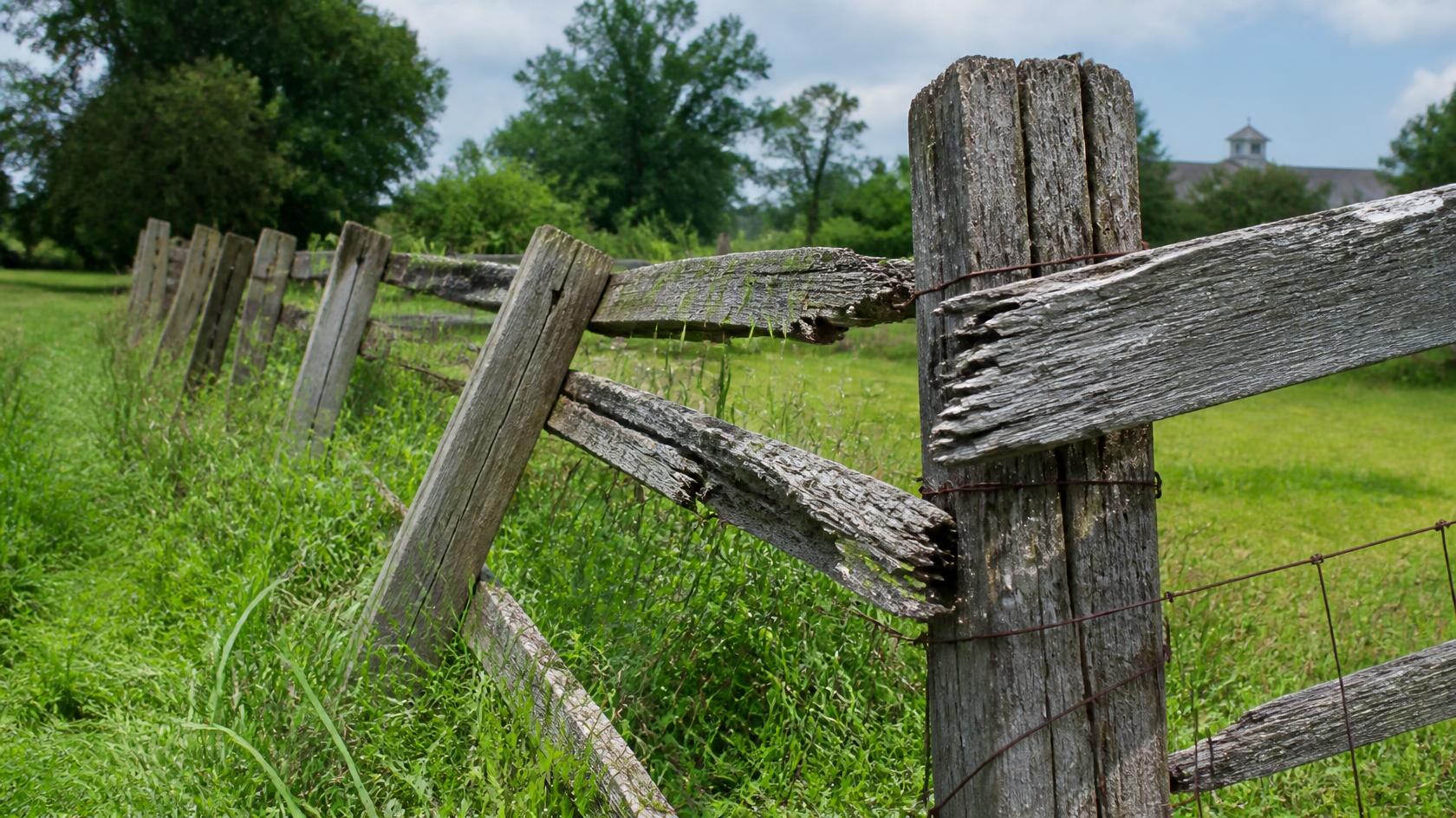
Fence post problems in Oregon, IL often start with soil movement, drainage issues, rot, impact damage, wind exposure, or aging footings. A leaning or loose post may be repairable when the damage is isolated, but multiple failing posts can point to a larger structural problem that may require section replacement.
Why Fence Posts Matter So Much
Fence posts carry the load of the entire fence system.
They support:
Rails
Panels
Boards
Gates
Corners
End sections
When one post shifts, the problem can spread to nearby parts of the fence.
A leaning post may pull rails out of alignment. A weak gate post may cause the gate to drag. A damaged corner post can affect two fence runs at once.
That is why post problems should be evaluated early rather than treated as a cosmetic issue.
Common Sign: A Fence Post Starts Leaning
A leaning post is one of the easiest problems to notice.
Common causes include:
Loose soil
Erosion
Failed footing
Rot
Wind pressure
Ground movement
The amount of movement matters.
A slightly shifted post may still be repairable. A post that moves freely or pulls connected sections out of alignment needs closer attention.
Soil Movement Can Shift Posts
Northern Illinois weather can cause soil conditions to change throughout the year.
Rain, snowmelt, freezing, and thawing may affect the ground around a post.
This can lead to:
Leaning
Heaving
Settling
Gate misalignment
Uneven fence sections
The fence material may still be in good condition even though the post has moved.
Repair should focus on the cause rather than only making the fence look straight again.
Freeze-Thaw Cycles Can Affect Alignment
Freeze-thaw cycles are especially important in Oregon and surrounding northern Illinois communities.
Moisture in the soil can freeze and expand, then contract as temperatures rise.
Over time, this movement can affect:
Posts
Footings
Gate clearance
Ground gaps
Homeowners may notice these changes after winter when gates no longer latch or a previously straight section appears uneven.
Drainage Problems Can Undermine Posts
Water is another common cause of fence post trouble.
Check for:
Standing water
Erosion
Soft soil
Downspout discharge
Runoff channels
Exposed footings
If water continually moves around a post, it can gradually remove supporting soil.
Repairing the post without correcting the drainage may allow the same issue to return.
Wood Posts Can Develop Rot
Wood posts are especially vulnerable where they meet the ground.
Look for:
Soft wood
Dark discoloration
Crumbling material
Splitting
Movement near the base
A post may appear fine above ground while the lower portion is deteriorating.
This is why movement at the base should not be ignored.
If the damage is isolated, the post may be replaceable without rebuilding the entire fence.
Rot Can Affect Gate Posts Too
Gate posts deserve extra attention because they carry more stress.
They support:
Gate weight
Hinges
Repeated opening and closing
If a gate begins sagging and the hinges appear secure, the post may be the actual problem.
Check whether the post:
Leans
Moves at the base
Shows rot
Pulls away from nearby rails
Replacing hardware alone will not correct a failing support post.
Wind Can Loosen Fence Posts
Solid privacy fences catch more wind than open designs.
Wood privacy panels and full-privacy vinyl can place significant pressure on posts during storms.
Wind-exposed sections should be checked for:
Leaning
Movement
Loose connections
Cracked footings
Corner posts and end posts may experience additional stress because of how fence runs connect to them.
Loose Posts Can Affect Several Sections
One weak post can create problems beyond its own location.
You may notice:
Sagging rails
Uneven panels
Loose boards
Wider gaps
Gate movement
When inspecting a post, also check the sections attached to it.
Repairing only the visible symptom can leave the surrounding fence unstable.
Broken or Failed Footings
Posts depend on a stable base.
If the footing cracks, shifts, or becomes loose, the post may no longer stay upright.
Signs may include:
Visible concrete movement
Soil separating from the footing
Post movement
Leaning
Repeated alignment problems
The correct repair depends on the condition of the post and footing.
In some cases, the post may need to be reset. In others, full replacement may be more practical.
Impact Damage Can Bend or Crack Posts
Posts can also fail because of direct impact.
Common sources include:
Vehicles
Lawn equipment
Falling branches
Heavy outdoor equipment
Storm debris
Chain link or metal posts may bend.
Wood posts may crack.
Vinyl post systems may shift or suffer damage around internal components.
Inspect nearby rails and panels as well because impact damage often extends beyond one post.
Tree Roots Can Affect Fence Alignment
Tree roots near the fence line can change the surrounding ground.
Over time, roots may:
Lift soil
Shift posts
Create uneven ground
Affect gate clearance
Large roots should be handled carefully.
Do not cut major roots without considering the health and stability of the tree.
A fence layout adjustment may sometimes be more practical than fighting ongoing root movement.
Landscaping Can Hide Post Problems
Dense shrubs, vines, or tall plants may make post movement harder to notice.
Keep enough space around the fence to inspect:
Post bases
Rails
Hardware
Ground conditions
Vegetation can also hold moisture near wood posts.
Fall is a useful time to trim back overgrowth and inspect areas that were hidden during summer.
Gate Problems Often Point Back to the Posts
A gate that suddenly stops working properly may indicate post movement.
Watch for gates that:
Drag
Sag
Rub against the latch post
Stop closing
Require lifting
Develop uneven side gaps
Check both the hinge post and latch post.
If one has shifted, repeated gate adjustments may only provide a temporary fix.
Corner Posts Need Special Attention
Corner posts support fence lines in more than one direction.
Problems at a corner can affect multiple sections.
Look for:
Leaning
Rail separation
Pulling connections
Soil movement
Cracks
Loose hardware
A corner problem should be evaluated based on the condition of both connecting fence runs.
End Posts Can Also Carry Extra Stress
End posts support the final tension or load of a fence run.
This is particularly important with:
Chain link
Gates
Long straight sections
If an end post moves, surrounding materials may lose tension or alignment.
Repairing the post may be necessary before adjusting the rest of the fence.
Chain Link Post Problems
Chain link fencing depends heavily on stable posts and tension.
Common signs of post trouble include:
Leaning terminal posts
Loose top rails
Sagging mesh
Poor gate alignment
Lost tension
If the mesh is still usable, repairing or replacing the affected post may restore the fence without replacing the entire section.
Vinyl Fence Post Problems
Vinyl fence posts can shift because of:
Soil movement
Drainage
Wind
Footing problems
Impact
Signs may include:
Uneven panels
Loose rails
Gate misalignment
Leaning sections
Because vinyl systems use connected components, one moving post may affect several panels.
The repair should address the structural issue before damaged panels or rails are replaced.
Aluminum Fence Post Problems
Aluminum fences have an open design that allows more airflow, but posts can still shift.
Look for:
Leaning
Loose sections
Gate problems
Impact damage
Bent or shifted posts can affect the appearance of an otherwise straight fence.
Localized repairs may be possible when the surrounding sections remain in good condition.
When Can a Fence Post Be Repaired?
Repair may make sense when:
Only one post is affected
The surrounding fence is structurally sound
Rot is limited
The footing can be corrected
Soil or drainage problems are manageable
Possible repair approaches depend on the cause.
The post may need to be:
Reset
Stabilized
Replaced
Reinstalled with a new footing
The correct method should address the underlying reason for failure.
When Should the Post Be Replaced?
Replacement may be the better option when the post has:
Severe rot
Major cracking
Significant bending
Failed footing
Repeated movement
A structurally damaged post should not simply be straightened if it can no longer provide reliable support.
When Do Multiple Bad Posts Point to a Larger Problem?
One bad post is usually a localized issue.
Several failing posts may indicate:
Aging fence construction
Widespread rot
Poor drainage
Repeated wind stress
Ground movement
When many posts are affected, homeowners should compare the cost and practicality of repeated repairs with replacing a larger fence section.
Fix Drainage Before Replacing Posts
If drainage caused the post problem, correct that issue as part of the repair plan.
Review:
Downspout locations
Low areas
Runoff
Erosion
Soil buildup
A new post installed into the same poor drainage conditions may eventually experience similar movement.
Check Ground Gaps After Post Repair
When a post shifts, the connected fence may lift or drop.
After repair, inspect for:
Pet escape gaps
Uneven clearance
Gate openings
Poor alignment
This is especially important on sloped yards.
The fence should remain functional as well as visually straight.
Inspect Posts Before Winter
Fall is a good time for Oregon homeowners to look for post problems before snow and frozen ground make inspections harder.
Check for:
Leaning
Movement
Rot
Erosion
Exposed footings
Gate misalignment
Wind damage
Repairing significant issues before winter can help prevent additional movement during snow, ice, and freeze-thaw conditions.
Recheck Posts After Severe Weather
Fence posts should also be inspected after:
Strong wind
Heavy rain
Snowstorms
Spring snowmelt
Compare suspicious areas with earlier photos if available.
Continued movement may indicate a problem that needs more than a minor adjustment.
Repair or Replace the Fence?
Post condition can help determine whether a fence still has useful life.
Repair may be appropriate when:
Most posts remain stable
Damage is isolated
Panels and rails remain sound
Replacement may make more sense when:
Multiple posts fail
Large sections lean
Rot is widespread
Gate problems keep returning
The existing fence is already heavily deteriorated
The entire system should be considered rather than focusing on a single post.
Request a Fence Post Repair Estimate
Arrow Fence helps Oregon homeowners evaluate leaning, loose, damaged, or deteriorated fence posts and determine whether targeted repair or larger replacement makes more sense.
Whether the problem involves wood, vinyl, chain link, aluminum, gate posts, drainage, or storm-related movement, Arrow Fence can help review practical options for the property.
Contact Arrow Fence at arrowfencerockford.com to request a free estimate for your fence repair project.
