
Fence Repair After Fall Wind in South Beloit, IL: What Homeowners Should Check
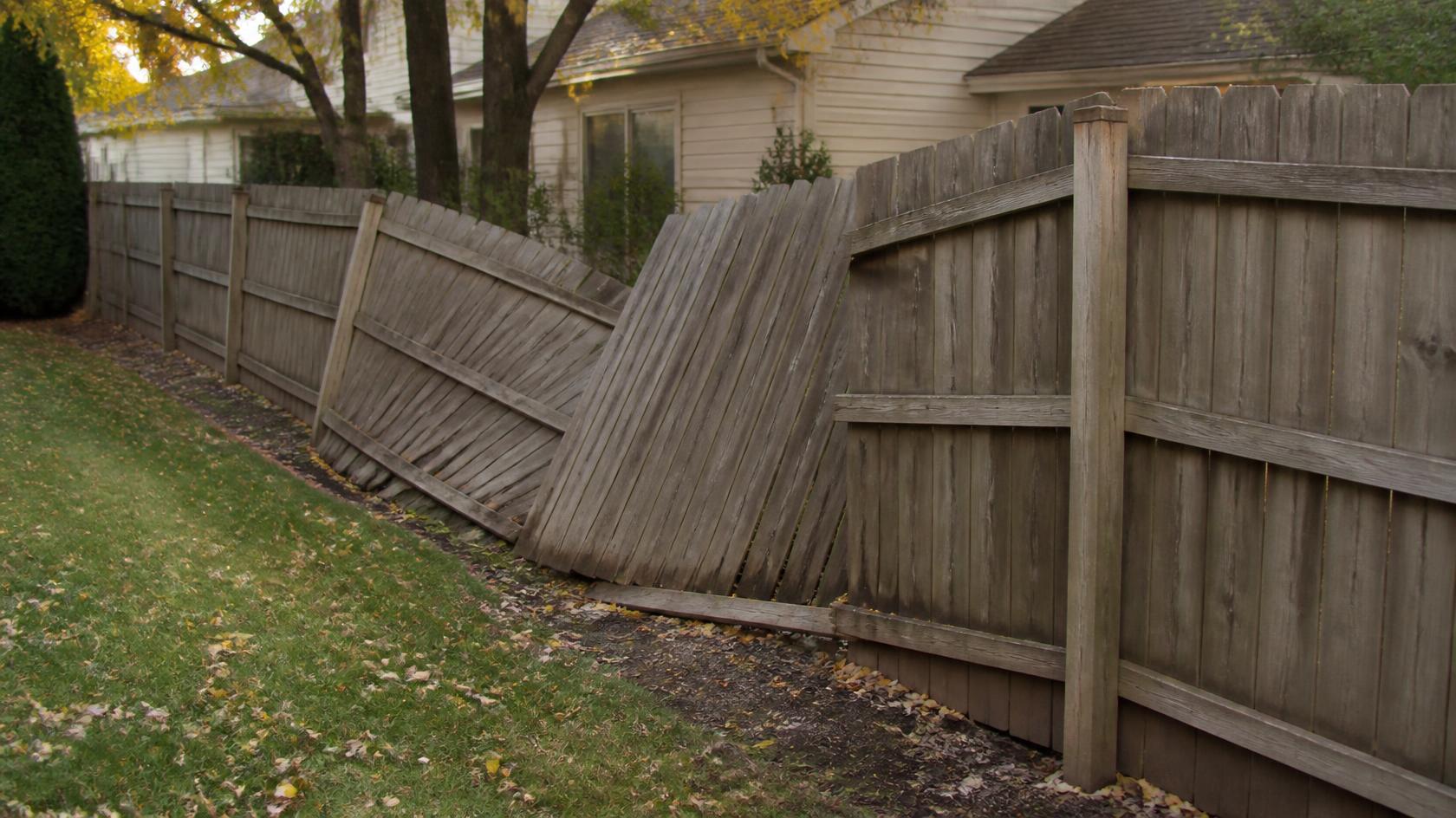
After strong fall wind, South Beloit homeowners should inspect fence posts, rails, boards, panels, gates, hardware, and nearby trees for new damage. Leaning sections, loose posts, cracked panels, bent chain link, and gate alignment problems should be addressed before winter weather adds more stress.
Why Fall Wind Can Expose Fence Problems
A fence may look fine during calm weather but show weaknesses after a windy day.
Strong gusts place extra pressure on:
Posts
Rails
Panels
Boards
Gates
Fasteners
Solid privacy fencing usually catches more wind than open fence styles.
That means wood privacy panels, full-privacy vinyl, and chain link with privacy screening deserve extra attention after windy weather.
Start With a Full Walkaround
Before touching anything, walk the entire fence line.
Look from both sides where possible.
Check for:
Leaning sections
Uneven lines
Loose boards
Cracked panels
Bent mesh
Sagging gates
Fallen branches
Take note of anything that looks different from how it did before the wind.
Small changes can point to larger structural issues.
Check Fence Posts First
Posts support the entire fence, so they should be one of the first things you inspect.
Look for posts that:
Lean
Move at the base
Have exposed footings
Sit in loosened soil
Show cracks
Have rot near ground level
A fence section may appear tilted because one post has shifted.
If several nearby posts move, the issue may be more widespread.
Look for Soil Movement Around Posts
Wind damage is not always limited to the fence itself.
If the ground is already soft from fall rain, strong wind can place more stress on posts.
Look for:
Gaps around footings
Loose soil
Mud
Erosion
Exposed concrete
A post may need stabilization even if it is not visibly broken.
Inspect Wood Fence Boards
Wood privacy fencing should be checked for:
Loose boards
Cracked boards
Missing fasteners
Splinters
Warping
Boards pulling away from rails
A board that has partially loosened may catch more wind during the next storm.
Repairing isolated damage early can help prevent a larger section from failing.
Check Wood Rails
Rails hold the boards together and connect them to the posts.
Inspect for:
Cracks
Sagging
Separation from posts
Loose fasteners
Rot
A damaged rail can affect several boards at once.
If the rail has shifted, simply reattaching one loose board may not solve the problem.
Inspect Vinyl Panels and Rails
Vinyl fences can also experience wind-related damage.
Check for:
Loose panels
Cracked sections
Broken rails
Shifted components
Loose post caps
Gate movement
Full-privacy vinyl panels create a large surface for wind pressure.
If a panel has moved, inspect the posts and connections rather than looking only at the panel itself.
Inspect Chain Link Fencing
Chain link allows more air to pass through than solid fencing, but strong wind can still reveal problems.
Look for:
Bent mesh
Loose tension
Damaged ties
Shifted posts
Loose top rails
Gate misalignment
If privacy slats or screening have been added, inspect the framework more carefully because those additions increase wind load.
Check Aluminum Fence Sections
Aluminum fencing should be inspected for:
Bent pickets
Loose rails
Shifted posts
Damaged fasteners
Gate problems
Its open design usually allows more airflow, but falling branches or debris can still cause damage during windy conditions.
Test Every Gate
Gates often reveal fence movement quickly.
Open and close each gate several times.
Check whether it:
Drags
Sags
Rubs against a post
Fails to latch
Has uneven gaps
Feels loose at the hinges
A gate that suddenly stops lining up after strong wind may indicate movement in one of the supporting posts.
Check Gate Posts Carefully
Gate posts handle more stress than most line posts.
They support:
Gate weight
Hinges
Repeated opening and closing
After strong wind, look for:
Leaning
Movement
Loose soil
Damaged hardware
Cracks
A gate problem may actually be a post problem.
Tighten Loose Hardware
Inspect:
Hinges
Latches
Screws
Bolts
Brackets
Fasteners
Strong wind can loosen hardware that was already beginning to wear.
Tightening or replacing damaged components can help prevent additional movement.
Use hardware appropriate for the fence material and application.
Check Corners and Ends
Corner posts and end posts often carry more structural load than ordinary line posts.
Inspect areas where:
The fence changes direction
Gates connect
Different materials meet
A long fence run ends
Look for pulling, separation, movement, or leaning.
These areas may show wind stress before the rest of the fence does.
Look for New Ground Gaps
If posts or sections shift, new openings may appear underneath the fence.
Check near:
Gates
Slopes
Low areas
Drainage paths
Corners
Ground gaps matter especially for homeowners with dogs.
A gap that did not exist before the wind may indicate movement in the fence or surrounding soil.
Inspect the Fence From the Pet Side
Pet owners should look at the fence from inside the yard.
Check for:
Loose boards
Bent mesh
Broken panels
Weak latches
New ground gaps
Damaged corners
Pets may find a new opening before homeowners notice it from the outside.
Look for Tree and Branch Damage
Wind can damage a fence indirectly.
Inspect nearby trees for:
Broken limbs
Hanging branches
Fresh debris
Branches resting on the fence
Even if a branch did not fully fall, it may now be unstable.
Removing obvious hazards can help prevent additional damage during the next windy day or winter storm.
Check for Debris Against the Fence
Wind may push:
Trash containers
Patio furniture
Yard decorations
Branches
Planters
against the fence.
Look for impact damage where these objects made contact.
Move loose items away from the fence before the next storm.
Privacy Fences Need Extra Wind Attention
Solid privacy fences create more resistance than open styles.
Pay close attention to:
Wood privacy panels
Full-privacy vinyl
Chain link with privacy screening
If a solid section visibly moves during moderate wind, inspect its posts and connections.
Repeated movement can loosen the system over time.
Check Drainage After Wind and Rain
Fall wind often arrives with rain.
That combination can create additional problems.
Look for:
Soft soil
Erosion
Standing water
Exposed footings
Mud around gate posts
If the ground has weakened, posts may become more vulnerable to movement.
Correcting drainage issues may be just as important as repairing the fence itself.
Decide Whether Damage Is Cosmetic or Structural
Not every problem requires major repair.
Cosmetic issues may include:
Minor scratches
Small finish wear
Light surface damage
Structural problems include:
Leaning posts
Broken rails
Cracked panels
Bent frames
Failed hardware
Unstable gates
Structural problems should receive priority, especially before winter.
When a Small Repair May Be Enough
Targeted repair may be appropriate when the problem is limited to:
One loose board
A few fasteners
One damaged rail
Minor chain link damage
One gate adjustment
One isolated post
If the surrounding fence remains stable, a localized repair may restore normal function.
When More Extensive Repair Is Needed
A larger repair may make sense when:
Several posts lean
Multiple rails are damaged
Large sections have shifted
Gates no longer align
Privacy panels repeatedly move
Wind damage affects several areas
The entire affected section should be evaluated instead of repairing only the most visible problem.
When Replacement May Make More Sense
Replacement may be worth considering when:
Damage is widespread
Multiple posts are failing
Wood rot is extensive
Several vinyl panels are damaged
Chain link framework is badly bent
The fence was already deteriorated before the wind event
A storm can sometimes reveal that an older fence was already near the end of its useful condition.
Prepare Repairs Before Winter
Fall wind damage should be addressed with winter in mind.
Snow, ice, frozen soil, and additional storms can put more stress on weak sections.
Before winter, check that:
Posts are stable
Gates latch
Panels are secure
Boards are attached
Ground gaps are controlled
Branch hazards are removed
A fence that is stable going into winter is easier to monitor through the colder months.
Keep Snow Away From Damaged Areas
If a repair cannot be completed immediately, avoid adding more pressure to the weak section.
Do not repeatedly pile heavy snow against:
Leaning panels
Weak posts
Damaged gates
Snow-removal equipment should also have enough clearance to avoid striking the fence.
Fall Wind Fence Inspection Checklist
After strong wind, South Beloit homeowners should check:
Fence posts
Rails
Boards
Vinyl panels
Chain link mesh
Aluminum sections
Gates
Hinges
Latches
Fasteners
Ground gaps
Drainage
Trees and branches
Debris impact areas
Taking photos can help track whether movement continues after the initial storm.
Recheck the Fence After the Next Storm
Some damage becomes easier to notice after another weather event.
Reinspect suspicious areas after:
Strong wind
Heavy rain
Early snow
Pay attention to whether posts move further or gates become more difficult to use.
Repeated changes may indicate a deeper structural problem.
Request a Free Fence Repair Estimate
Arrow Fence helps South Beloit homeowners inspect and repair fencing after fall wind, storms, and seasonal weather.
Whether you have loose boards, leaning posts, damaged vinyl, bent chain link, gate problems, or an older fence that may need replacement, Arrow Fence can help you review practical options for your property.
Contact Arrow Fence at arrowfencerockford.com to request a free estimate for your fence repair project.
