
Fence Repair Before Winter in Rockford, IL: Homeowner Checklist
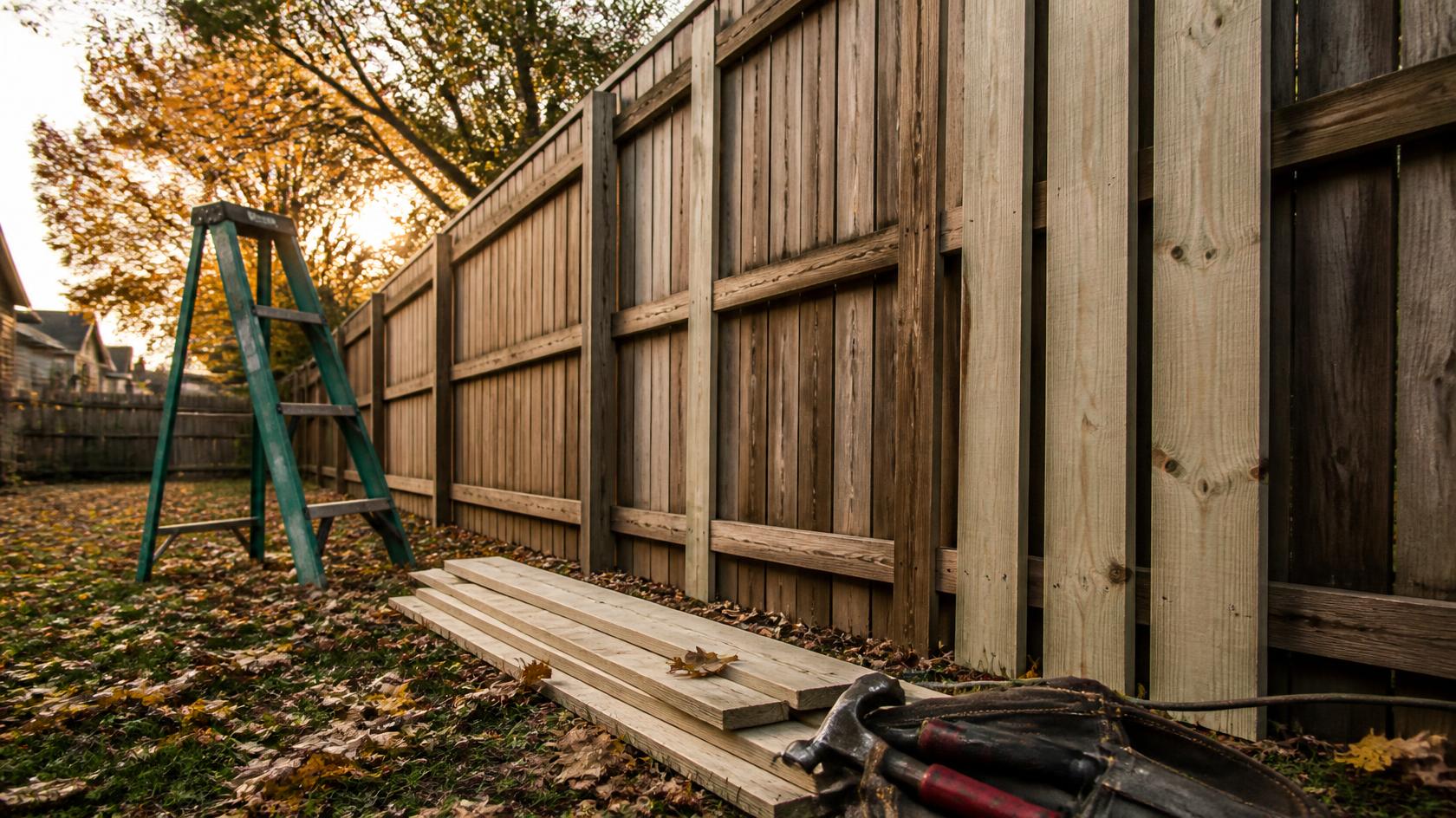
Before winter arrives in Rockford, homeowners should inspect fence posts, boards, panels, gates, hardware, ground gaps, drainage, and nearby branches. Fixing small problems in fall can help prevent snow, ice, wind, and freeze-thaw cycles from making existing damage worse.
Why Fall Is a Good Time to Inspect Your Fence
A fence that looks mostly fine in late summer may still have small problems that become more noticeable during winter.
Cold weather can add stress through:
Wind
Snow
Ice
Freeze-thaw cycles
Wet soil
Falling branches
Ground movement
A fall inspection gives homeowners a chance to find weak spots while the yard is still accessible.
The goal is not to rebuild the entire fence. It is to identify small problems before winter makes them harder to address.
Start With the Fence Posts
Posts support the entire fence, so they should be one of the first things you inspect.
Walk the fence line and look for:
Leaning posts
Loose posts
Cracks
Rot near the base
Exposed footings
Soil erosion
Movement when pushed gently
A weak post can affect several nearby sections.
If a post is already leaning before winter, snow, wind, or wet ground may make the problem worse.
Check Wood Fence Boards
Wood fencing should be inspected carefully before winter.
Look for:
Loose boards
Cracked boards
Splinters
Rot
Warping
Missing fasteners
Worn stain or finish
One damaged board may be a simple repair.
Several damaged boards in the same area may indicate a larger moisture or structural problem.
Pay extra attention to lower sections where wet leaves, mulch, or soil may stay in contact with the wood.
Inspect Rails and Framing
Rails connect fence sections and help support boards or panels.
Check for:
Cracks
Sagging
Loose connections
Rot
Separation from posts
A weak rail may allow an entire section to move during strong winter winds.
Repairing structural parts before heavy snow and ice arrive can help keep the fence more stable.
Look Over Vinyl Fence Panels
Vinyl requires less routine surface maintenance than wood, but it still needs inspection.
Check for:
Cracks
Loose panels
Broken rails
Shifted sections
Damaged post caps
Loose connections
Cold temperatures can make vinyl less flexible.
A panel that is already cracked may be more vulnerable to impact during winter.
Avoid waiting until the material is frozen and snow-covered to address obvious damage.
Inspect Chain Link Fencing
Chain link fences should be checked for both structural and mesh-related problems.
Look for:
Bent mesh
Loose tension
Damaged ties
Leaning posts
Loose top rails
Gate problems
Rust on exposed metal components
A loose section may move more in winter wind.
If privacy slats or screens have been added, inspect the framework carefully because those additions increase wind pressure.
Check Aluminum Fencing
Aluminum fences generally require relatively simple maintenance, but damaged sections should still be repaired before winter.
Inspect:
Posts
Rails
Pickets
Fasteners
Gates
Latches
Look for loose or bent sections that could become worse under snow or impact.
Because aluminum fencing often has an open design, it usually catches less wind than solid privacy fencing, but structural issues should still be handled early.
Test Every Gate
Gates are one of the most common areas for fence problems.
Open and close each gate several times.
Check for:
Sagging
Dragging
Loose hinges
Weak latches
Misalignment
Post movement
Excessive ground clearance
A gate that already drags in fall may become harder to use when snow or ice builds up.
Hardware should operate smoothly and close securely before winter.
Tighten Loose Hardware
Inspect:
Hinges
Latches
Screws
Bolts
Brackets
Fasteners
Small loose components can create movement that gradually affects the rest of the fence.
Tightening or replacing damaged hardware is often a straightforward maintenance step.
Use appropriate hardware for the fence material and application.
Check Ground Gaps
Ground gaps can become a bigger concern during winter and spring.
Look near:
Gates
Slopes
Drainage paths
Low areas
Uneven terrain
Gaps may allow pets to escape or create access points beneath the fence.
They can also indicate erosion.
Mark any areas that need soil correction or additional attention before the ground freezes.
Look for Drainage Problems
Water can affect the fence even when the material itself is moisture-resistant.
Inspect for:
Standing water
Soil erosion
Exposed footings
Downspouts draining toward posts
Low spots
Muddy areas
Fall rain and spring snowmelt can make these issues worse.
The fence should not unnecessarily block natural drainage across the yard.
Clear Leaves and Debris
Wet leaves and yard debris can hold moisture against the fence.
Remove buildup around:
Wood boards
Posts
Gates
Fence corners
Drainage areas
This is especially important for wood fencing.
Keeping the base of the fence clear can also make it easier to notice cracks, rot, erosion, or pest damage.
Trim Nearby Branches
Look above the fence, not just along it.
Branches that hang over the fence may become a problem under:
Snow
Ice
Strong wind
Trim branches that are dead, damaged, or rubbing against the fence.
A branch that falls during winter can damage panels, rails, gates, or posts.
Check Trees Near the Fence Line
Large trees near the fence deserve extra attention.
Look for:
Dead limbs
Low branches
Roots lifting the ground
Contact with fence panels
Tree roots can gradually affect posts or create uneven terrain.
You do not necessarily need to remove a tree, but you should understand how it affects the fence.
Inspect for Pet Escape Points
Pet owners should review the entire fence from the dog's perspective.
Check for:
New ground gaps
Loose boards
Bent chain link
Gate openings
Weak latches
Digging areas
Winter conditions can hide small openings under snow.
Fixing them in fall helps keep the yard secure once visibility becomes limited.
Protect Wood Finishes
If the wood finish is badly worn, fall may be a good time to evaluate whether maintenance is needed before prolonged winter moisture.
Look for:
Fading
Peeling
Bare wood
Water absorption
Surface cracking
Timing depends on weather conditions and the specific product being used.
Do not apply finishes when conditions are outside the product requirements.
Check Privacy Fencing for Wind Exposure
Solid privacy fencing catches more wind than open fence styles.
Pay extra attention to:
Solid wood
Full-privacy vinyl
Chain link with privacy screens
Tall privacy sections
Check posts, rails, and connections carefully.
A small amount of movement in fall may become more noticeable during strong winter weather.
Look at Fence Corners and Transitions
Corners and transition points often handle additional stress.
Inspect areas where:
Fence materials change
Heights change
Gates connect
Fence lines turn sharply
Sloped sections meet flat ground
These locations may show movement or gaps before the rest of the fence does.
Review Snow Removal Areas
Think about where snow will be moved during winter.
Avoid repeatedly piling heavy snow directly against the fence.
Pay particular attention near:
Driveways
Walkways
Gates
Parking areas
Snow-removal equipment should have enough clearance to avoid hitting posts or panels.
Do Not Ignore Small Repairs
Small damage is usually easier to handle than a larger failure.
Typical fall repairs may include:
Replacing individual boards
Fixing rails
Tightening hardware
Adjusting gates
Replacing broken latches
Repairing chain link
Stabilizing isolated posts
The exact repair depends on the fence material and condition.
Know When Repairs May Not Be Enough
Repair is not always the best solution.
Replacement may be worth considering when:
Multiple posts are failing
Large sections are leaning
Rot is widespread
Panels repeatedly break
Gates continually lose alignment
The fence no longer provides enough privacy or security
If problems are spread across the entire fence, repeated small repairs may only delay a larger project.
Fall Fence Repair Checklist
Before winter, walk the full fence line and review:
Posts
Boards
Panels
Rails
Chain link mesh
Hardware
Gates
Latches
Ground gaps
Drainage
Erosion
Leaves and debris
Tree branches
Pet escape points
Snow-removal clearance
Taking photos of problem areas can also help homeowners track whether movement or damage changes over winter.
Recheck the Fence After Severe Weather
A fall inspection is only the starting point.
After strong wind, heavy snow, or ice, look for:
New leaning
Gate problems
Broken panels
Loose boards
Bent mesh
Fallen branches
You may not be able to make every repair during winter, but identifying new damage early can help with spring planning.
Request a Free Fence Repair Estimate
Arrow Fence helps Rockford homeowners inspect, repair, and replace residential fencing before winter.
Whether your property has wood, vinyl, chain link, aluminum, damaged gates, loose posts, or aging fence sections, Arrow Fence can help you review practical repair and replacement options.
Contact Arrow Fence at arrowfencerockford.com to request a free estimate for your fence repair project.
