
Fence Repair Before Winter in Rockton, IL: Posts, Panels and Gates to Check
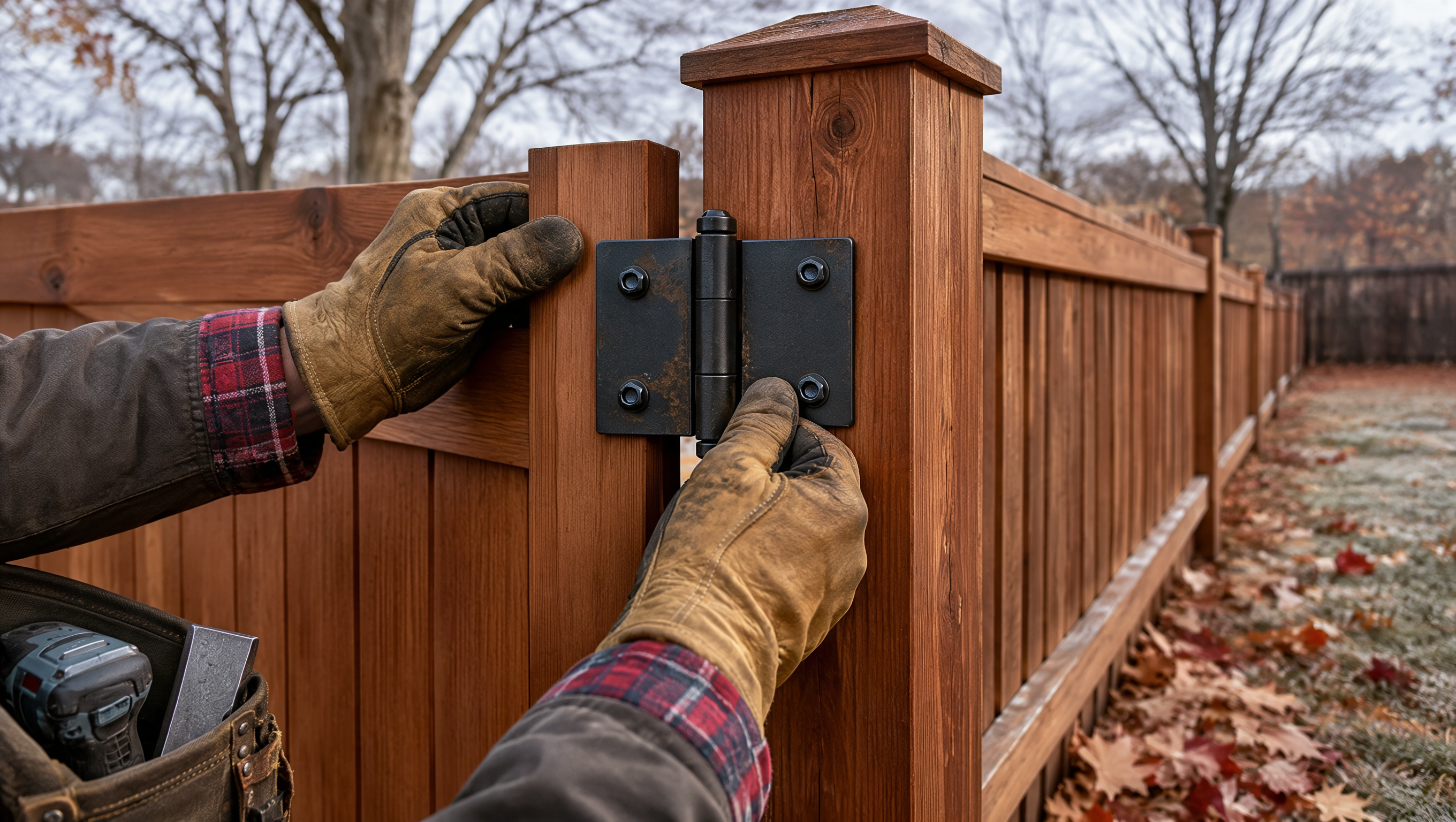
Before winter arrives in Rockton, homeowners should inspect fence posts, panels, rails, gates, hardware, and the ground around the fence line. Small issues like loose boards, leaning posts, dragging gates, and erosion can become harder to address once snow and freezing conditions arrive. Fall is a good time to separate cosmetic problems from repairs that affect stability, security, and everyday use.
Start With the Parts That Hold Everything Up
Fence repairs are easier to prioritize when you begin with the structural components.
Posts should come first because they support the rest of the system.
Walk the fence line and look for posts that:
Lean
Move when lightly pushed
Sit in soft soil
Have exposed footing material
Show rot near the ground
If one post shifts, nearby panels and gates may also start moving out of alignment.
Check the Ground Around Each Post
Sometimes the post itself is not the original cause of the problem.
Look for:
Erosion
Washout
Standing water
Loose soil
Downspout runoff
Repeated moisture can weaken the soil around a post and make repairs less durable.
If the same section keeps moving, drainage may need to be addressed along with the fence repair.
Inspect Wood Near the Soil Line
Wood posts and lower boards deserve extra attention before snow covers them.
Watch for:
Soft areas
Splitting
Crumbling wood
Dark deterioration
Loose fasteners
Damage near ground level can be easy to miss from a distance.
Fall gives you a better chance to inspect these areas before they become hidden.
Look Down the Fence Line for Leaning Sections
Stand at one end of the fence and look along the full run.
This can make subtle movement easier to see.
Check for:
Leaning panels
Uneven post tops
Sections sitting out of line
Gaps between connected sections
A fence that appears straight up close may show noticeable movement when viewed from farther away.
Check Panels for Movement
Panels should feel secure between posts.
Look for sections that:
Shake excessively
Pull away from posts
Sit at different heights
Show cracks or damage
Panel movement can come from loose hardware, damaged rails, or shifting posts.
The repair should address the source of the movement rather than only repositioning the panel.
Inspect Rails Behind the Fence Surface
Rails are easy to overlook because they may not be visible from the main side of the fence.
For wood fencing, check whether rails are:
Sagging
Split
Rotting
Pulling away from posts
A damaged rail can make several boards appear loose at once.
If multiple boards move together, the rail may be the more important repair.
Secure Loose Wood Boards
Loose boards can become more vulnerable during winter wind.
Check for boards that are:
Pulling away
Missing fasteners
Cracked
Warped
Split
If the board is still sound, securing it may be enough.
Boards with widespread deterioration may need replacement.
Review Vinyl Fence Sections
Vinyl does not require staining or sealing, but it still needs structural checks.
Look for:
Cracks
Loose rails
Uneven panels
Post movement
Gate misalignment
Very cold conditions can make vinyl less flexible.
Existing cracks should be addressed before winter equipment or falling debris creates additional stress.
Inspect Chain Link Support Components
With chain link fencing, the mesh is only part of the system.
Check:
Terminal posts
Top rails
Tension
Ties
Gates
A leaning end or corner post can affect a much larger section of fence.
Fixing the post may be necessary before the mesh can be properly retensioned.
Check Aluminum Fence Alignment
Aluminum fencing often makes movement easy to spot because of its straight lines.
Look for:
Leaning posts
Loose connections
Uneven pickets
Gate problems
If the fence itself appears sound, the issue may be related to the soil or supporting posts rather than the aluminum components.
Test Every Gate Before Snow Arrives
Open and close each gate several times.
A gate should move without needing to be lifted, pushed, or forced.
Watch for:
Sagging
Dragging
Latch misalignment
Loose hinges
Uneven side gaps
A small problem in fall can become much more inconvenient once snow reduces clearance.
Look Closely at the Hinge Post
The hinge post carries the gate's weight.
Inspect it for:
Leaning
Rot
Soil erosion
Movement at the base
Loose hardware
If the post is unstable, adjusting the latch may only hide the problem temporarily.
A stable gate depends on stable posts.
Check the Latch Side Too
The opposite post matters just as much for proper gate alignment.
A shifting latch post can cause the gate to:
Miss the latch
Rub the post
Close unevenly
Develop wider gaps
Check both sides before deciding which component needs repair.
Tighten Hardware That Is Still Securely Mounted
Loose screws, bolts, hinges, and brackets may be straightforward repairs when the material around them remains strong.
If the same hardware keeps loosening, inspect the mounting area.
Repeated movement may indicate:
Deteriorated wood
A shifting post
A damaged gate frame
Simply tightening the hardware again may not solve the underlying problem.
Clear the Gate Swing Area
Before winter, remove anything that reduces gate clearance.
That may include:
Leaves
Soil
Mulch
Mud
Yard debris
Then check the full swing again.
A gate that barely clears the ground in fall may start dragging after snow or ice builds up.
Check for Pet Escape Gaps
Homes with dogs should receive an extra lower-edge inspection.
Look for openings near:
Gates
Slopes
Corners
Eroded areas
Snow can hide these gaps later.
If erosion caused the opening, address the ground problem instead of only filling the gap temporarily.
Clear Wet Leaves From the Fence Base
Leaves can hold moisture against wood and hide damage.
Remove buildup around:
Posts
Bottom rails
Panels
Gate openings
This makes it easier to spot rot, erosion, and hardware problems.
It also reduces prolonged moisture exposure around vulnerable wood components.
Check Drainage After a Fall Rain
One of the best times to evaluate a fence is after rain.
Look for water collecting near:
Posts
Gates
Low sections
Downspouts
If the ground stays soft, posts may be more likely to shift.
Repair work should account for recurring drainage problems if you want the correction to last.
Inspect Nearby Tree Branches
Branches weakened by age, wind, or prior storms can become a winter hazard.
Look for limbs hanging over:
Panels
Rails
Gates
Posts
Snow or ice can add weight and increase the chance of impact.
A structurally weak fence section may be especially vulnerable.
Pay Attention to Long Privacy Runs
Solid wood and vinyl fencing catch more wind than open styles.
Inspect exposed areas such as:
Long straight sections
Corners
End posts
Gate posts
If a section already moves noticeably during fall wind, it should be checked before stronger winter weather arrives.
Know What Can Wait
Not every issue needs immediate repair.
Cosmetic concerns may be able to wait if they do not affect stability or function.
Examples might include:
Surface discoloration
Minor weathering
Small appearance changes
Structural concerns should be prioritized first.
What Should Be Repaired Before Winter?
Focus first on issues involving:
Leaning posts
Loose panels
Damaged rails
Sagging gates
Rot
Large ground gaps
Unstable hardware
These problems affect safety, access, containment, or overall fence stability.
When a Smaller Repair May Be Enough
A targeted repair can make sense when:
One post is loose
A few boards are damaged
One panel has shifted
A gate needs adjustment
Hardware is worn
If the rest of the fence remains stable, broader replacement may not be necessary.
When a Larger Repair May Be Smarter
More extensive work may make sense when:
Several posts are moving
Long sections lean
Multiple rails are failing
Rot appears in several areas
Gates repeatedly lose alignment
At that point, repairing one component at a time may not address the overall condition of the fence.
When Replacement Should Enter the Conversation
Replacement may be worth considering when the fence has:
Widespread deterioration
Repeated structural repairs
Multiple failed posts
Large unstable sections
A layout that no longer works
A replacement project can also improve gate placement, privacy, pet containment, and yard access.
Pre-Winter Fence Repair Checklist
Before winter in Rockton, inspect:
Posts
Rails
Panels
Boards
Gates
Hinges
Latches
Ground gaps
Drainage
Leaf buildup
Wind-exposed sections
Nearby branches
The goal is to correct structural and access problems while the fence is still fully visible and easy to reach.
Request a Free Fence Repair Estimate
Arrow Fence helps Rockton homeowners address leaning posts, damaged panels, loose rails, sagging gates, drainage problems, and other fence issues before winter.
Whether the project needs a targeted repair, partial replacement, gate work, or a broader fence evaluation, Arrow Fence can help you review practical options.
Contact Arrow Fence at arrowfencerockford.com to request a free estimate for your fence repair project.
