
Fence Repair in Davis Junction, IL: Cracked Boards, Loose Panels and Gate Problems
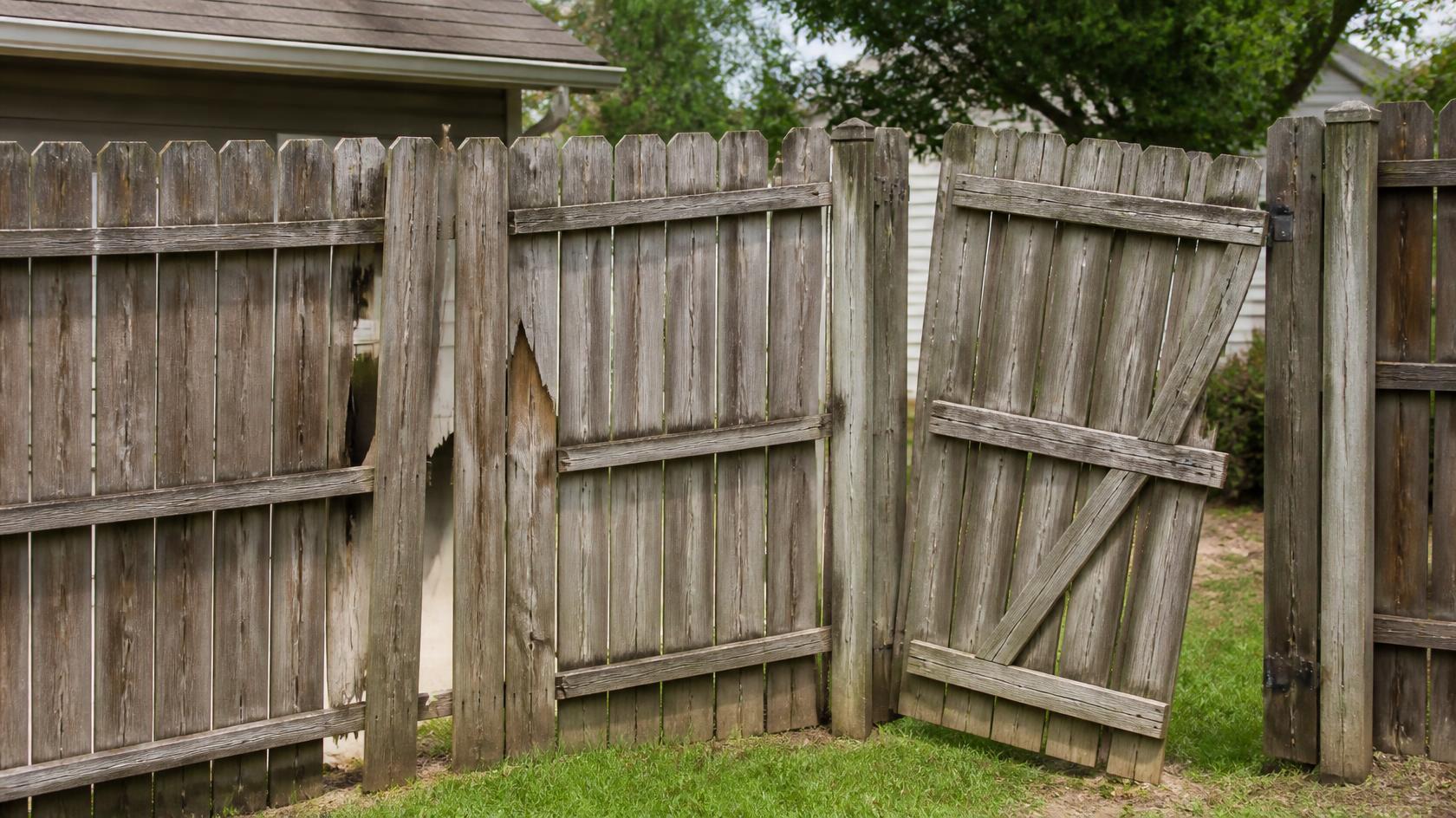
Cracked boards, loose panels, leaning posts, and gate problems are common signs that a fence needs attention. Davis Junction homeowners should look at the entire affected section rather than repairing only the most visible damage, because a loose panel or sagging gate may point to weak rails, shifting posts, drainage problems, or worn hardware underneath.
Start With the Problem You Can See
Fence damage usually becomes noticeable in one of three ways:
A board cracks or comes loose
A panel starts moving or leaning
A gate stops opening or closing properly
Those symptoms are useful, but they do not always reveal the full problem.
For example, a cracked board may be isolated damage, while a loose panel may actually be caused by a shifting post. A gate that will not latch may need more than a new latch if the supporting post is leaning.
Before making a repair, identify what caused the problem.
Cracked Wood Boards
Wood boards can crack because of:
Age
Moisture changes
Drying
Impact
Weather exposure
Loose fasteners
A small surface crack does not always mean the board needs immediate replacement.
Replacement becomes more important when the board is:
Split through
Pulling away from the rails
Soft from rot
Creating a sharp edge
No longer providing privacy
Loose enough to move in the wind
Damaged boards should be checked along with the rails and fasteners supporting them.
Loose Boards May Point to Fastener Problems
Sometimes the board itself is still usable, but the fastener has loosened.
Check whether:
Screws or nails are backing out
The board has shifted
The rail behind it is damaged
The wood around the fastener is split
If the board is solid, reattachment may be enough.
If the surrounding wood no longer holds hardware securely, the board or rail may need replacement.
Watch for Rot Near the Bottom
The bottom of a wood fence is especially vulnerable to moisture.
Look for:
Soft wood
Crumbling edges
Darkened areas
Splitting
Persistent dampness
Common causes include:
Wet leaves
Soil contact
Mulch piled against the fence
Poor drainage
Dense vegetation
Replacing one board will not solve the problem if moisture continues collecting in the same area.
Loose Fence Panels
A loose panel may move when pushed or during windy weather.
Possible causes include:
Weak posts
Loose rails
Failed connections
Missing fasteners
Soil movement
Do not simply secure the panel before checking what supports it.
If the post or rail is failing, the panel may loosen again.
Vinyl Panels Can Shift Too
Vinyl fencing can develop movement when:
Posts shift
Rails loosen
Connections separate
Components crack
Soil erodes around footings
A vinyl panel that suddenly looks uneven may not be the main problem.
Check whether neighboring posts remain vertical and whether the rails are still seated correctly.
Loose Chain Link Sections
Chain link problems look different from wood or vinyl.
Common signs include:
Sagging mesh
Loose tension
Bent top rails
Damaged ties
Leaning terminal posts
If the framework is still sound, mesh or tension repairs may be possible without replacing the entire fence.
If the posts have shifted, those structural issues should be addressed first.
Leaning Posts Can Affect the Whole Section
A fence post may lean because of:
Erosion
Saturated soil
Failed footing
Rot
Freeze-thaw movement
Wind
Impact
A single weak post can pull several connected sections out of alignment.
Check for movement by looking at the post base and the soil around it.
If the post moves when lightly pushed, the problem may be structural.
Drainage Can Be the Hidden Cause
Davis Junction weather can expose drainage issues around fencing.
Look for:
Standing water
Mud
Washed-out soil
Exposed footing edges
Runoff channels
Downspouts directed toward the fence
If water repeatedly passes around a post, repairs may not last unless the drainage issue is also addressed.
This is especially important after heavy fall rain or spring snowmelt.
Gate Problems Usually Have a Cause
A gate that no longer works smoothly may have several possible issues.
Watch for:
Sagging
Dragging
Latch misalignment
Loose hinges
Uneven side gaps
Movement in the post
The problem may be in the gate frame, hardware, posts, or surrounding fence.
Diagnosing the cause first helps avoid repeated adjustments.
Check the Hinge Post
The hinge post carries much of the gate's weight.
Inspect it for:
Leaning
Movement at the base
Rot
Cracks
Loose hardware
If the hinge post shifts, the gate may sag even when the hinges themselves are still functional.
A stable post is essential for reliable gate operation.
Check the Latch Post Too
The opposite side of the opening matters as well.
If the latch post has moved, the gate may:
Miss the latch
Rub against the post
Leave an uneven opening
Require lifting to close
Replacing the latch alone will not correct a moving post.
Wide Gates Need Extra Attention
Wider gates place more stress on:
Posts
Hinges
Frames
Bracing
If a mower or equipment gate repeatedly sags, the opening may need stronger support rather than another minor adjustment.
Homeowners should also check whether the gate is wider or heavier than the current hardware can manage effectively.
Look at the Fence Around the Gate
Gate trouble is sometimes a symptom of a larger fence problem.
Inspect nearby:
Rails
Panels
Posts
Corners
If several components are moving, repairing the gate alone may not provide a lasting solution.
Fence Corners Can Reveal Structural Stress
Corners deserve a separate inspection.
They connect fence runs and may experience additional pressure.
Check for:
Leaning corner posts
Pulling rails
Cracked boards
Loose connections
Uneven alignment
Problems at a corner can affect more than one section at the same time.
Wind Damage Can Loosen Existing Weak Areas
Strong wind may not create all fence damage from scratch.
Often, it exposes components that were already beginning to fail.
After windy weather, inspect:
Privacy panels
Fence posts
Gates
Rails
Fasteners
Solid fences generally catch more wind than open designs.
Wood privacy and full-privacy vinyl deserve extra attention after storms.
Falling Branches Can Cause Local Damage
Tree limbs can crack boards, bend rails, or damage panels during storms.
After a branch strike, check beyond the obvious impact area.
Look for:
Shifted posts
Loose rail connections
Bent hardware
Gate changes
Damage can sometimes spread farther than the point where the branch landed.
Pet Owners Should Check for Escape Points
A small repair problem can quickly become a pet containment issue.
Inspect for:
Broken boards
Bent mesh
Loose panels
Gate gaps
Weak latches
Erosion underneath the fence
Small dogs may fit through openings that look minor from a distance.
Check the fence from inside the yard as well as outside.
Ground Gaps Can Grow Over Time
New ground gaps may form when:
Soil washes away
Posts shift
Sections lift
Sloped areas settle
Do not automatically fill a gap without determining why it appeared.
If erosion caused it, the drainage problem should be corrected as part of the repair.
Repairing a Fence Before Winter
Fall repairs are especially useful because winter can place additional stress on weak fencing.
Snow, ice, wind, and freeze-thaw cycles may worsen:
Leaning posts
Loose panels
Gate alignment
Ground movement
Repairing obvious problems before snow covers the lower fence line can make winter maintenance easier.
Do Not Pile Snow Against Weak Sections
Once winter arrives, avoid pushing heavy snow against damaged areas.
This includes:
Loose wood panels
Cracked vinyl
Weak posts
Sagging gates
Snow-removal equipment should also have enough clearance to avoid accidental impact.
When Is a Small Repair Enough?
Localized repair may make sense when:
One or two boards are damaged
A rail has loosened
Hardware needs replacement
One panel has shifted
A gate needs adjustment
One post is affected
If the surrounding fence remains stable, targeted work may restore the section.
When Does the Damage Point to Replacement?
A larger replacement may be more practical when:
Several posts are failing
Rot affects multiple sections
Panels repeatedly loosen
Gates keep losing alignment
Large fence runs are leaning
Repairs are becoming frequent
Repeated small repairs can sometimes indicate that the overall fence is deteriorating.
Repair vs Replacement Should Consider the Fence as a Whole
The decision should not be based only on the worst-looking board.
Consider:
Age
Structural condition
Number of damaged sections
Privacy needs
Pet security
Gate function
Ongoing maintenance
If most of the fence remains sound, repair may be practical.
If problems are widespread, replacement may provide a better long-term solution.
A Simple Fence Repair Check for Davis Junction Homes
Walk the property and check:
Boards
Panels
Posts
Rails
Gates
Hinges
Latches
Corners
Ground gaps
Drainage
Tree branches
Pet escape points
Take photos of areas that look questionable so you can see whether movement or damage continues over time.
Request a Free Fence Repair Estimate
Arrow Fence helps Davis Junction homeowners address cracked boards, loose panels, gate problems, leaning posts, and other residential fence damage.
Whether your fence needs a few targeted repairs, gate adjustments, post work, or larger section replacement, Arrow Fence can help you evaluate the condition and compare practical options.
Contact Arrow Fence at arrowfencerockford.com to request a free estimate for your fence repair project.
