
Fence Replacement Before Snow in DeKalb, IL: What Homeowners Should Know
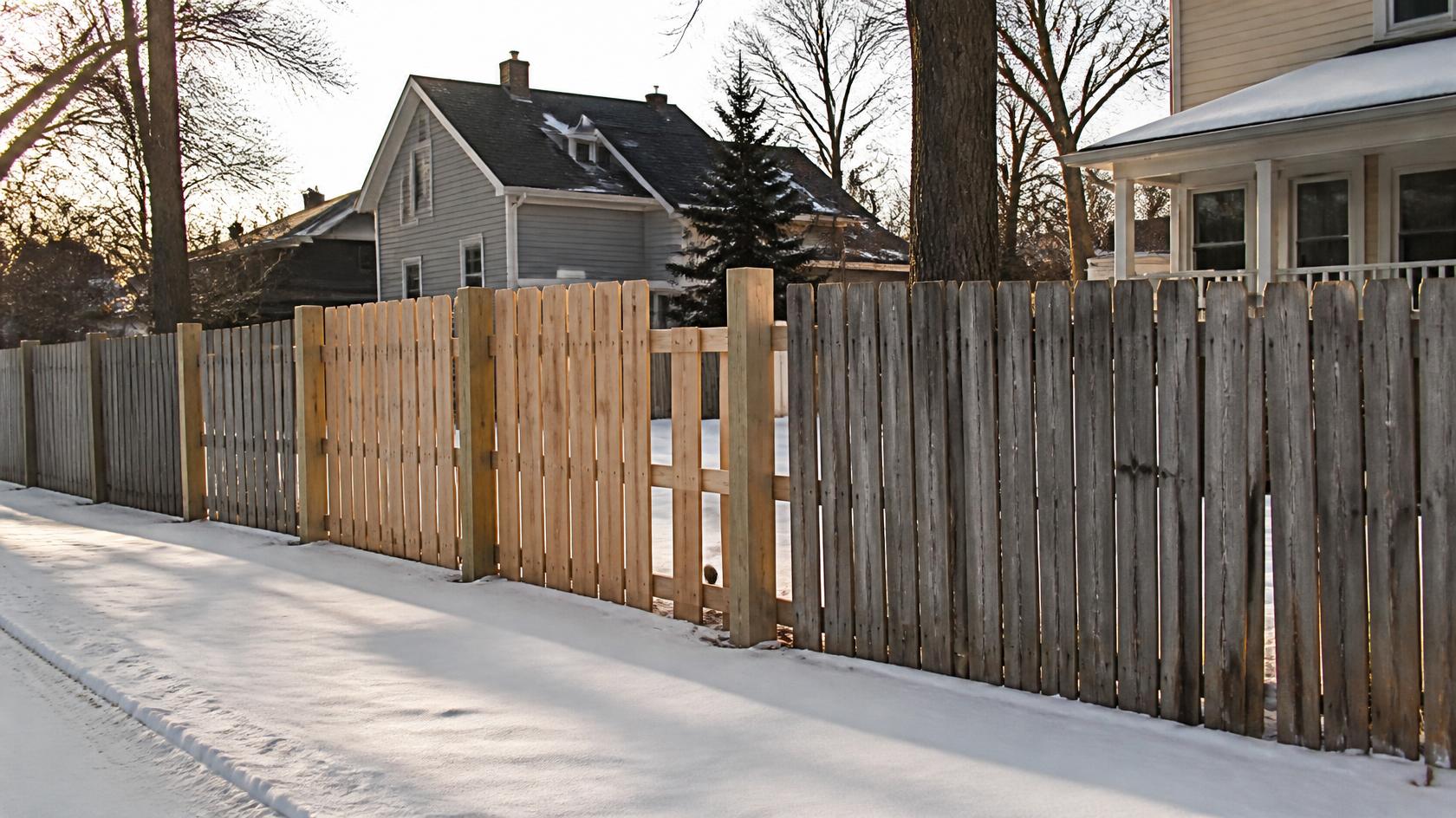
DeKalb homeowners do not always need to replace an older fence before winter, but widespread rot, leaning posts, failing gates, damaged panels, or repeated repairs can be signs that replacement should be considered. Fall is a useful time to evaluate the fence, plan removal, review drainage, choose materials, and make sure gates and yard access will still work once snow arrives.
When Is Replacement More Practical Than Repair?
A few damaged boards or one loose post may still be repairable.
Replacement becomes more practical when problems affect several parts of the fence at once.
Watch for:
Multiple leaning posts
Widespread wood rot
Broken or loose panels
Repeated gate problems
Damaged rails
Large sections out of alignment
If repairs keep returning, the fence may have a larger structural problem rather than several unrelated small issues.
Check Fence Posts First
Posts support the rest of the fence.
Inspect for:
Leaning
Movement at the base
Rot
Cracks
Exposed footings
Soil erosion
One damaged post may be replaceable.
Several unstable posts along the same fence line may indicate that replacing a larger section makes more sense.
Look for Widespread Wood Deterioration
Older wood fencing should be inspected carefully before winter.
Pay attention to:
Lower boards
Rails
Post bases
Gate frames
Signs of deterioration include soft wood, crumbling areas, deep cracks, and fasteners that no longer stay secure.
Replacing a few boards may work when damage is isolated. When posts, rails, and boards are deteriorating throughout the fence, a larger replacement may provide a better long-term solution.
Gates Can Reveal Larger Fence Problems
A gate that repeatedly sags or stops latching may be more than a hardware issue.
Check whether:
The hinge post is leaning
The latch post has shifted
The frame is damaged
The surrounding fence is moving
If adjustments only work temporarily, the supporting structure may need repair or replacement.
Fall is a good time to solve these problems before snow makes everyday gate access more difficult.
Storm Damage May Push an Older Fence Toward Replacement
Strong wind and storms can expose weaknesses in aging fencing.
After severe weather, look for:
Broken boards
Cracked vinyl
Bent chain link
Loose rails
Fallen branches
Shifted posts
A newer fence with isolated damage may only need repair.
An older fence that already had structural problems may be a better candidate for replacement after widespread storm damage.
Check Drainage Before Installing a New Fence
If the old fence failed because of soil movement or erosion, the new fence needs more than fresh posts.
Look for:
Standing water
Downspout runoff
Low areas
Erosion
Soft soil
Poor drainage can contribute to post movement, ground gaps, and gate misalignment.
Fall rain can make these patterns easier to identify before the ground freezes.
Review Slopes and Ground Gaps
Sloped areas deserve special attention during replacement planning.
Depending on the new fence system, sections may be:
Stepped
Installed to follow the grade more closely
Pet owners should check potential gaps under the fence.
Replacement is a good opportunity to correct older sections that never followed the terrain well.
Decide Whether the Layout Should Change
A replacement fence does not need to copy the old layout exactly.
Ask whether the current fence has:
Poor gate placement
Insufficient privacy
Narrow equipment access
Awkward side-yard routes
Unnecessary sections
The new fence can be planned around how the property is used today.
A wider mower gate, additional walk gate, or targeted privacy section may make the yard much more functional.
Compare Replacement Materials
Changing materials may also make sense.
Wood
Wood provides natural character, strong privacy, and flexible designs.
It does require periodic maintenance such as inspections and refinishing.
Vinyl
Vinyl provides consistent privacy with less routine surface maintenance.
It can work well for backyards, patios, and pet areas.
Chain Link
Chain link is practical for dogs, long fence lines, and open visibility.
Aluminum
Aluminum works well where homeowners want a decorative boundary without blocking views.
The right material depends on privacy, pets, maintenance preferences, and yard design.
Existing Fence Removal Affects the Project
Replacement typically requires removal of the old fence before new installation begins.
This may involve:
Boards or panels
Posts
Concrete footings
Gates
Hardware
Ask whether hauling, disposal, and cleanup are included in the estimate.
Older posts or large footings can make removal more involved.
Clear the Fence Line Before Work Begins
Fall leaves and vegetation can hide site conditions.
Before replacement, clear:
Leaves
Vines
Shrubs
Planters
Outdoor furniture
Stored equipment
This makes it easier to inspect post locations, drainage, roots, and uneven ground.
A clean fence line also gives installers better access.
Plan Gates Around Snow
A fence installed before winter should still work when snow arrives.
Consider:
Gate swing
Snow piles
Shoveled paths
Snowblower routes
Pet access
Avoid placing the main gate in an area where snow is regularly pushed or piled.
The gate should also have appropriate bottom clearance without creating excessive pet gaps.
Think About Wind Before Choosing Full Privacy
Solid wood and vinyl fencing catch more wind than open styles.
For exposed DeKalb properties, replacement planning should consider:
Post stability
Long fence runs
Corners
Gate supports
If full privacy is not needed everywhere, combining solid and more open sections may make sense.
Should You Replace the Entire Fence?
Not always.
Partial replacement may work when:
One side is failing
Storm damage is limited
Most posts remain stable
Other sections are still in good condition
Complete replacement may make more sense when:
Several sides are deteriorated
Multiple posts are failing
Gates repeatedly lose alignment
Rot or damage is widespread
The layout no longer works
The decision should be based on the overall condition rather than one damaged section.
Why Fall Planning Helps
Fall gives homeowners a chance to evaluate the fence before snow covers the lower sections.
It also allows time to:
Compare materials
Plan gates
Review drainage
Prepare the yard
Schedule removal
Weather and ground conditions can still affect installation, so earlier planning generally provides more flexibility than waiting until winter is close.
Fence Replacement Checklist Before Snow
Before moving forward, review:
Post condition
Panel or board damage
Gate alignment
Drainage
Slopes
Ground gaps
Existing fence removal
Material choice
Gate locations
Snow access
These details can help determine whether repair, partial replacement, or full replacement makes the most sense.
Request a Free Fence Replacement Estimate
Arrow Fence helps DeKalb homeowners evaluate older or damaged fencing before winter.
Whether you are considering wood, vinyl, chain link, aluminum, partial replacement, new gates, or a complete fence upgrade, Arrow Fence can help you compare practical options for your property.
Contact Arrow Fence at arrowfencerockford.com to request a free estimate for your fence replacement project.
